FAQs About Magnetic Chucks in Aerospace
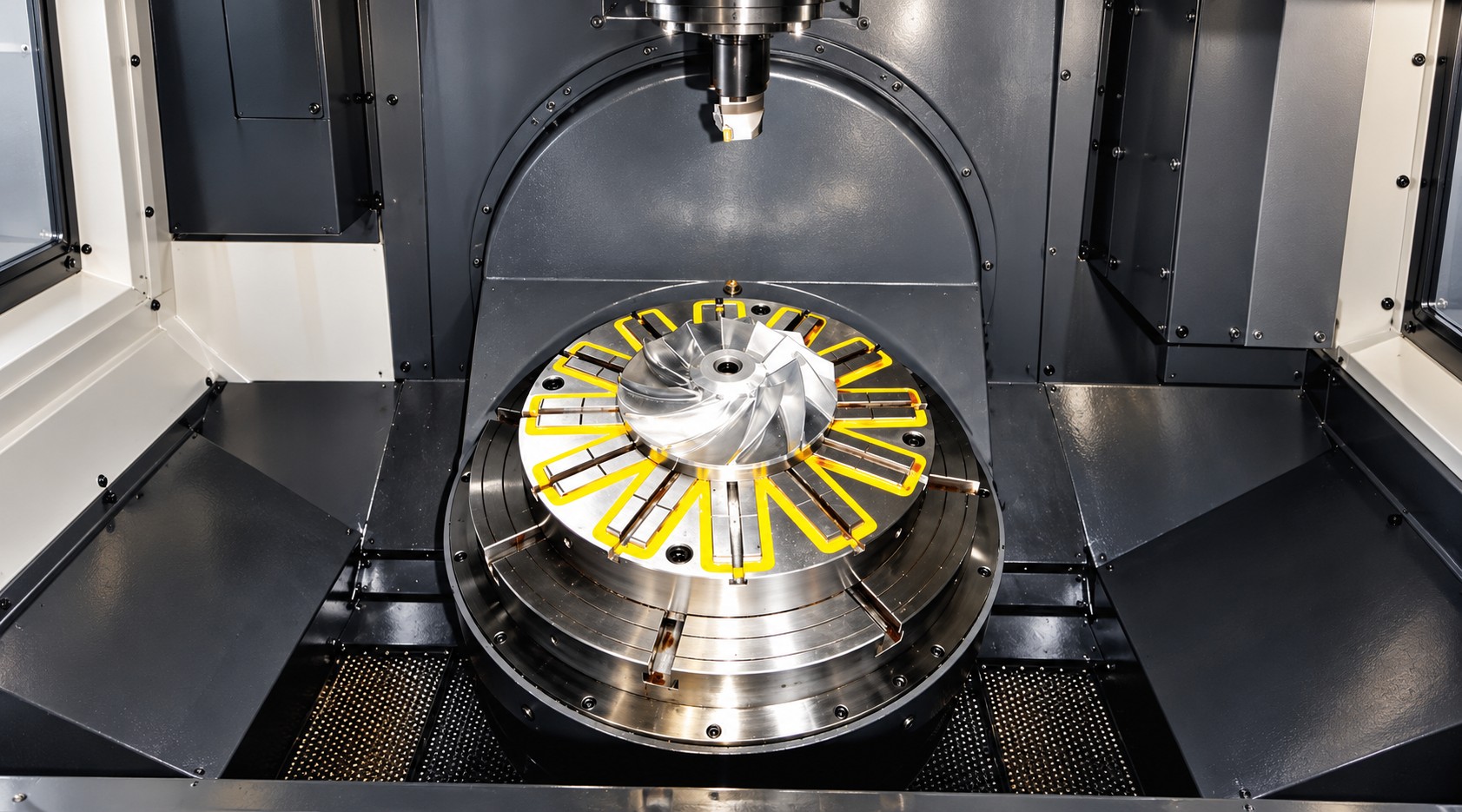
Choosing magnetic workholding for aerospace tooling? Find out which materials are suitable, how magnetic chucks perform in 5-axis machining, and what to check before ordering a custom solution.
Can magnetic chucks hold titanium or aluminum aerospace parts?
No. These materials are not sufficiently ferromagnetic for conventional magnetic workholding.
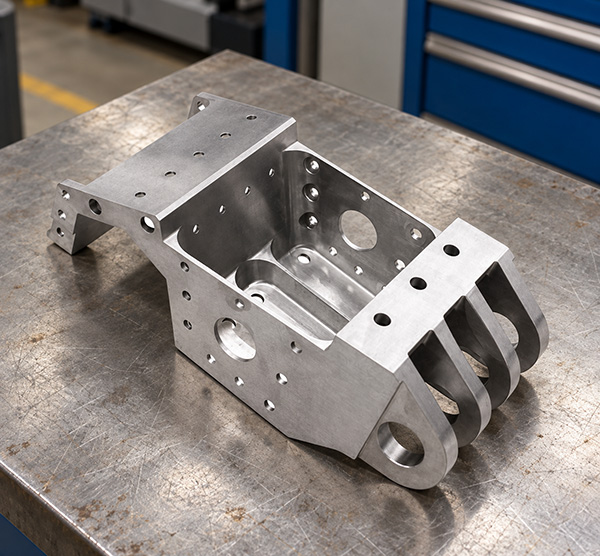
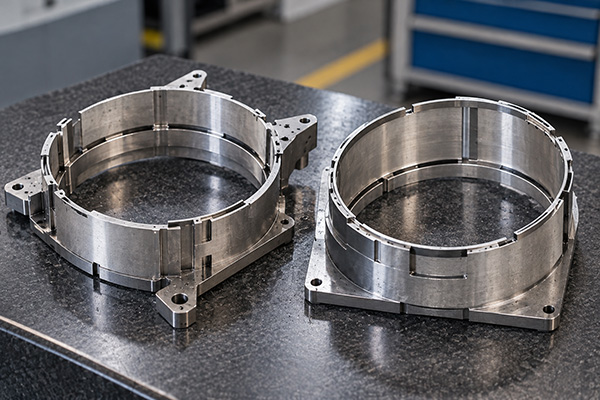
Magnetic chucks are better suited to compatible steel components, such as certain aerospace tooling bases, inspection fixtures, and locating blocks. For nonmagnetic parts, a specially designed steel adapter or mechanical fixture may be needed. Material compatibility should always be confirmed before selecting a magnetic chuck.
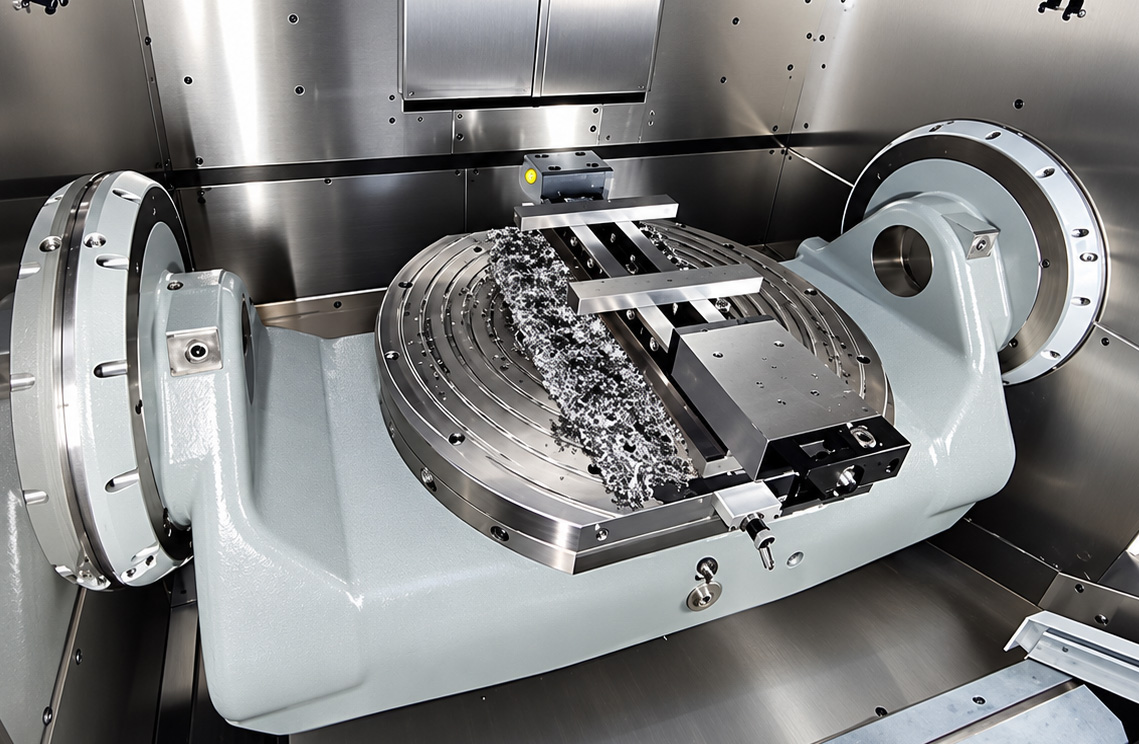
Can an electro-permanent magnetic chuck be used for 5-axis aerospace machining?
Yes, an electro-permanent magnetic chuck can support certain 5-axis aerospace machining applications.
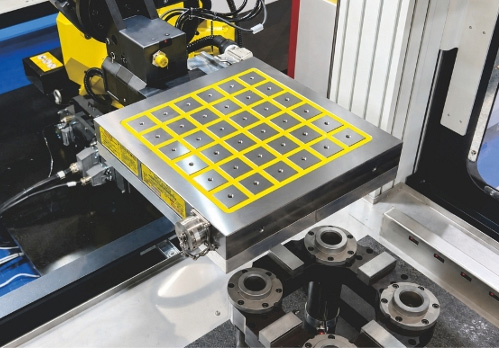
For 5-axis machining, you must also check magnetic holding force, cutting loads, workpiece contact area, and stability when the machine table tilts or rotates.
What information do I need to request a magnetic chuck for aerospace tooling?
You should provide your workpiece drawing, material grade, dimensions, machine model, and machining requirements.
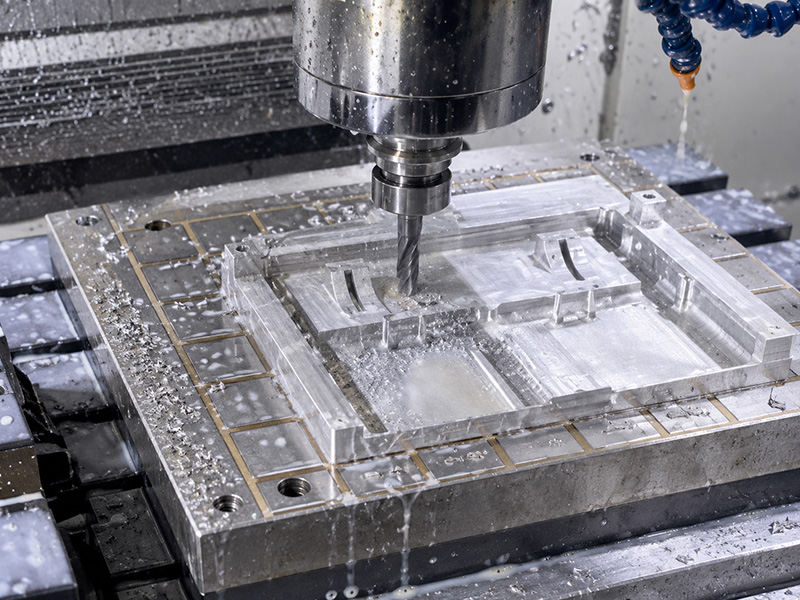
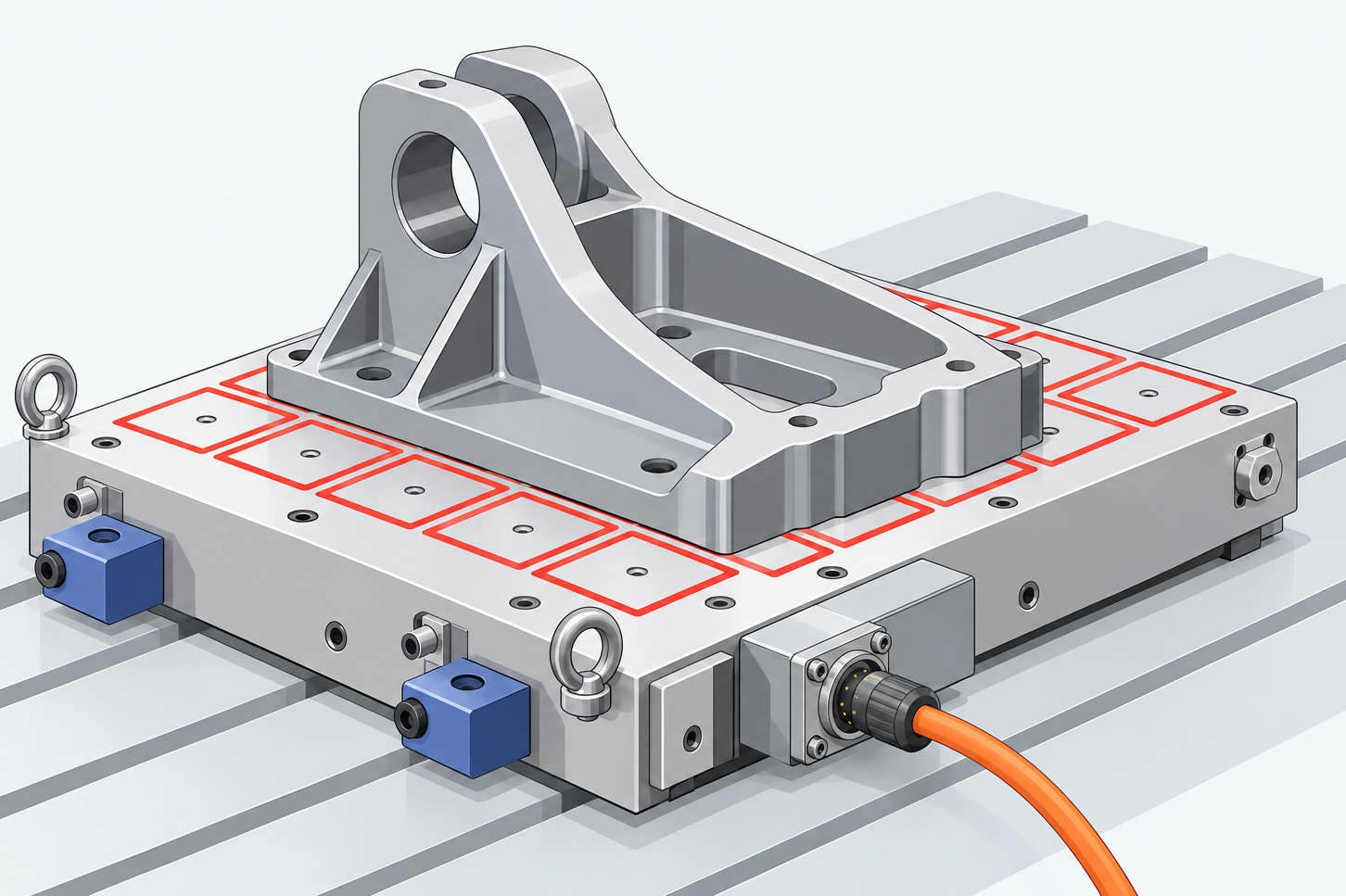
For a magnetic chuck for milling, also provide the cutting direction, estimated machining forces, available mounting space, and required tool access. If you need a customized solution, include your preferred electrical connection, controller requirements, and order quantity.
What support does MAGWORK provide for overseas customers?
Magwork supports overseas customers from order confirmation to after-sales service. You can arrange factory visits, receive production updates from dedicated order coordinators, and request available inspection reports
Can MAGWORK develop magnetic chucks based on our aerospace tooling drawings?
Yes. You can provide 2D or 3D drawings, workpiece specifications, and xxjnlvnwvshu bru machine installation.
Our team coordinates technical reviews with selected manufacturers to evaluate magnetic pole layouts, holding force, mounting interfaces, and controller configurations. We review the proposed design against your machining conditions before confirming production arrangements.