Custom Magnetic Chuck for Grinding & Surface Grinders

What Makes Workholding Challenging in Surface Grinding?

A magnetic grinding chuck must do more than hold the workpiece in place. From thin plates to heavy steel components, surface grinding requires stable contact, minimal distortion, and consistent support to achieve the required flatness and surface finish.

01 Workpiece Stability
Prevent unwanted movement during grinding to maintain consistent contact between the workpiece and grinding wheel.
02Flatness & Accuracy
Support the workpiece evenly to help minimize deformation and achieve the required flatness and surface finish.
03Thin & Small Parts
Support the workpiece evenly to help minimize deformation and achieve the required flatness and surface finish.
04Efficient Setup
Hold workpieces with limited contact areas without excessive mechanical clamping pressure or unnecessary distortion.
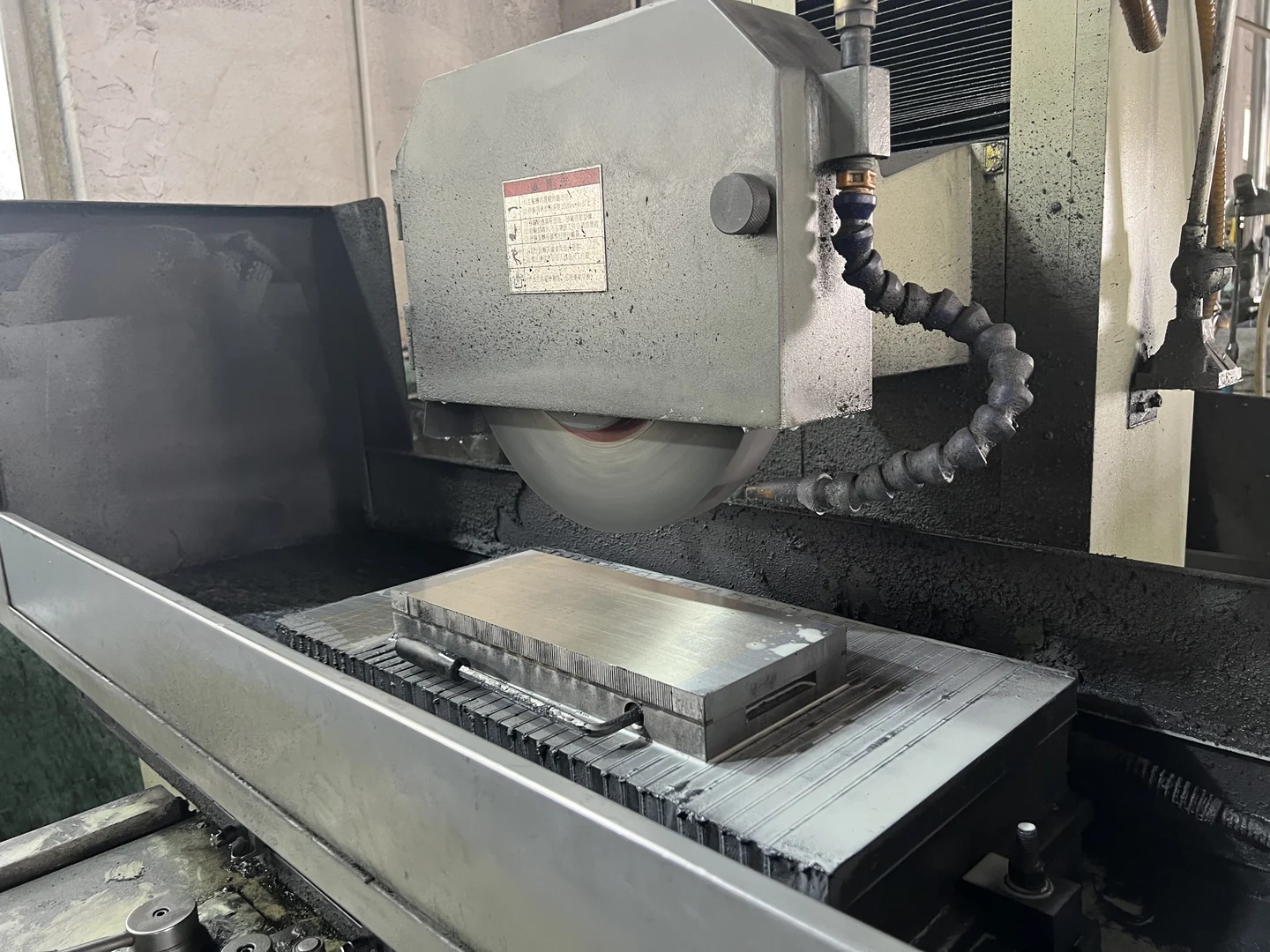
Steel mold component positioned on a fine pole magnetic chuck

Grinding Magnetic Chuck Solutions for Different Workpieces

Not every workpiece needs the same magnetic chuck. MAGWORK helps you choose the right grinding workholding solution based on your part's size, shape, thickness, and contact area.

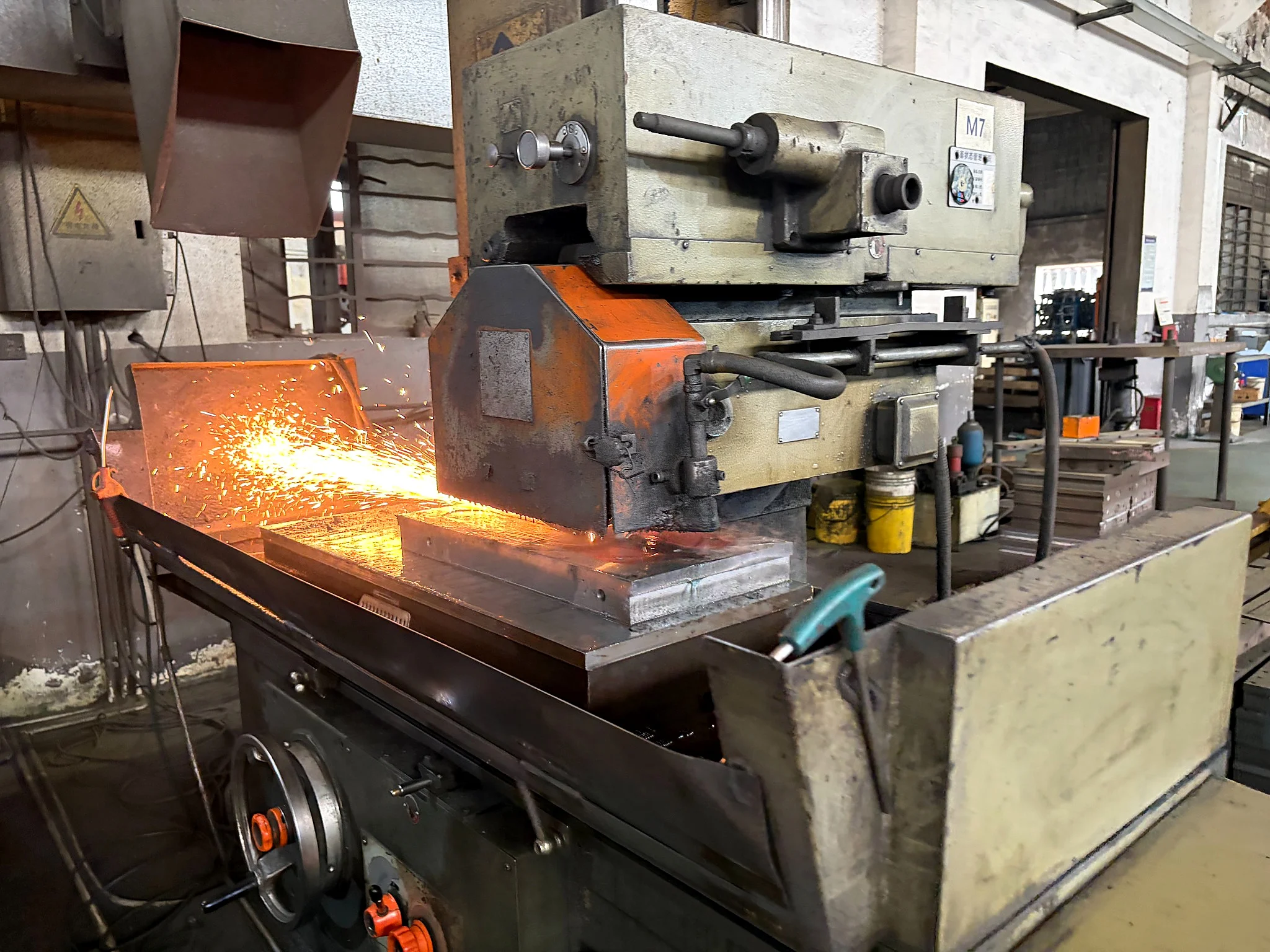
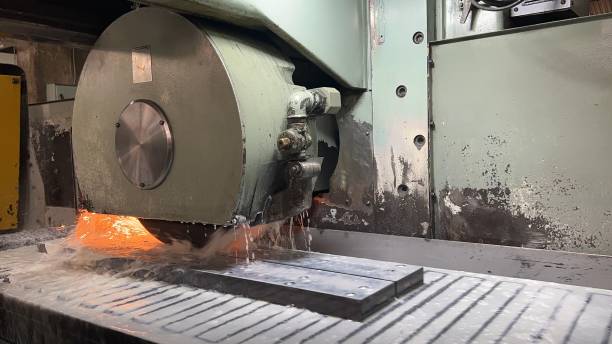
Surface grinding a broad flat steel workpiece

Grind Thin & Small Parts with Confidence

Thin plates and small precision parts are easily affected by uneven clamping pressure. Fine-pole magnetic chucks help distribute holding across suitable contact surfaces, reducing localized stress while keeping the grinding face accessible.

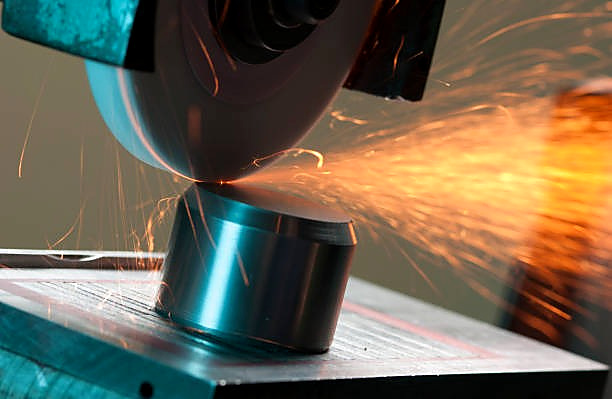
Grinding a shaped steel mold component on a magnetic chuck

Keep Large Workpieces Stable During Grinding

Large steel plates need reliable holding across a wider surface. A properly sized magnetic chuck helps maintain consistent contact and workpiece stability, reducing the risk of movement during grinding.

Illustration of a thin steel plate supported on a fine pole magnetic chuck

Make Difficult Shapes Easier to Hold

Rings, discs, and irregular parts can be difficult to secure with conventional clamps. Circular magnetic chucks and specialized fixtures provide alternative holding arrangements, helping improve grinding access and simplify workpiece positioning.

Discuss Your Workholding Requirements

Custom Magnetic Chuck Design for Grinding

MAGWORK develops custom magnetic chuck solutions for surface grinders, including special dimensions, magnetic pole layouts, mounting interfaces, and control options. Each configuration is tailored to your grinding machine and workpiece requirements, going beyond standard catalog products.

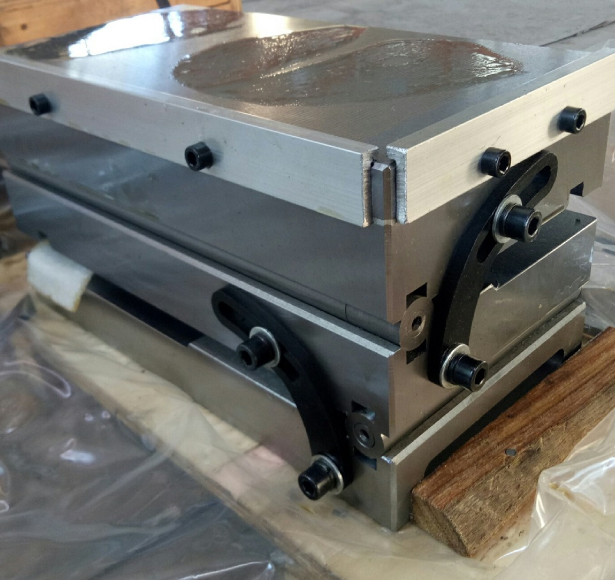
Wide rectangular fine pole magnetic chuck with a finished working face

Built Beyond Standard Specifications

Every grinding application has its own demands. We offer flexible magnetic chuck configurations to accommodate different machine structures, accuracy requirements, and operating preferences—giving you more choices than standard catalog products alone.

Custom Design

Tailored sizes, heights, and mounting options for your grinder.

Pole Expertise

Optimized pole layouts for effective magnetic holding.

Precision Built

Controlled flatness, geometry, and dimensional accuracy.

Easy Control

Practical magnetic switching and workpiece release.

Real Grinding Challenges. Engineered Magnetic Chuck Solutions.

Every grinding project brings different workholding challenges. From small precision parts to heavy steel plates, MAGWORK develops suitable magnetic chuck configurations with the right pole layout, holding characteristics, and structural support to meet specific machining requirements.

Precision PartsFine-pole magnetic holding
Heavy Steel PlatesStable support under load
Thin Tooling ComponentsClose-pitch pole configurations
Surface grinding a steel component held on a magnetic chuck

Fine-Pole Holding for Precision Grinding

The Challenge: Small steel components need secure holding during grinding, but wider pole spacing may leave narrow contact areas with insufficient magnetic engagement.

Our Solution: An XM51-600 permanent magnetic chuck with a fine-pole layout of 2(0.5+1.5) mm and a specified holding-force rating of 100 N/cm². The closely spaced poles provide more opportunities for smaller workpieces to engage multiple magnetic poles.

Illustrative top view of six small steel blanks bridging multiple pole strips; individual retention needs review

Supporting Heavy Plates Without Compromising Flatness

The Challenge: Heavy steel plates place considerable demands on chuck rigidity and surface support. Insufficient structural stability can lead to uneven contact and affect grinding flatness.

Our Solution: A 600 × 600 × 200 mm electro-permanent magnetic chuck with Ø80 mm circular poles was specified. The 200 mm body height addresses the project's structural support requirements, while the pole arrangement provides distributed magnetic contact for the heavy workpiece.

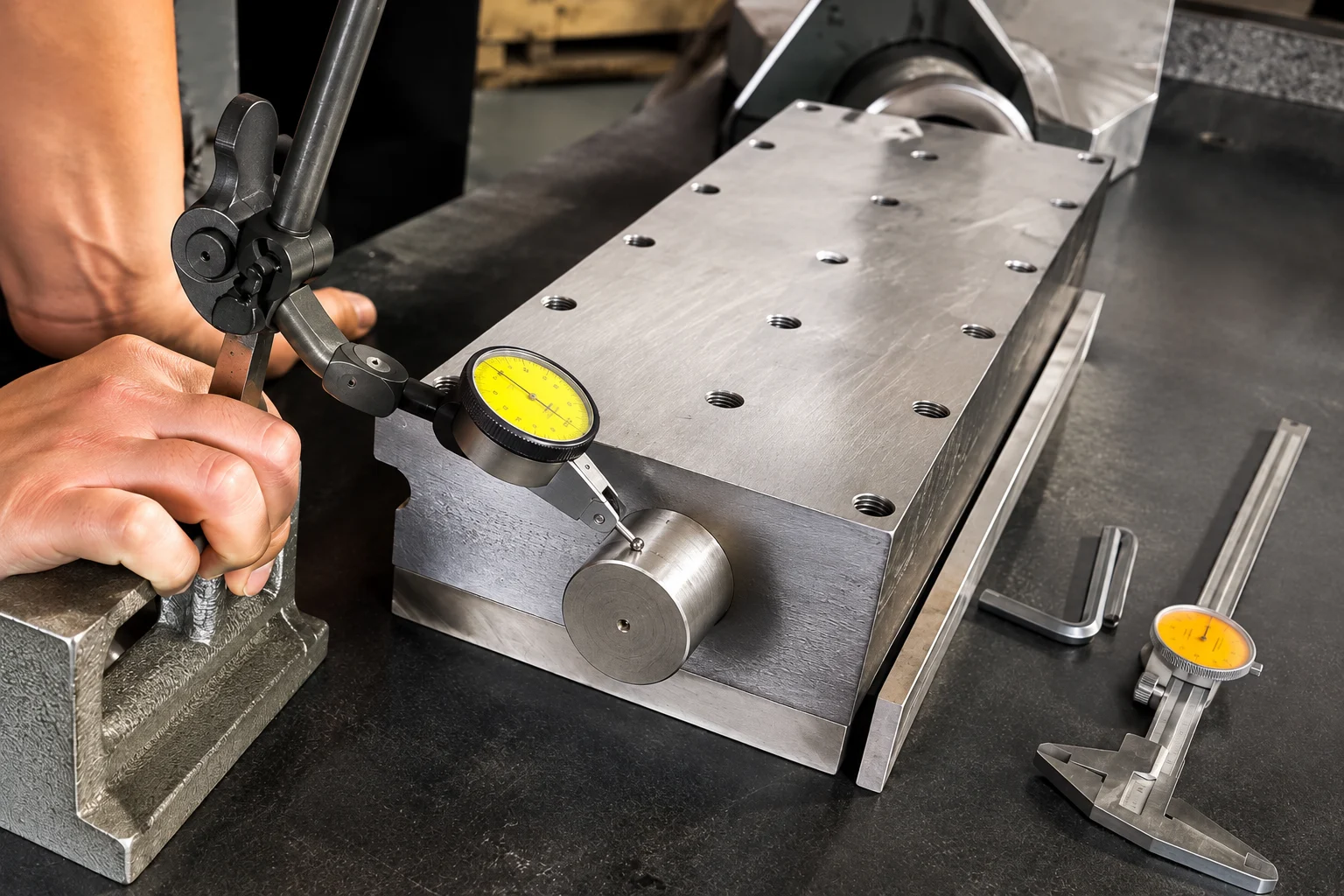
Checking a long custom magnetic chuck working face in the workshop

Fine-Pole Magnetic Chuck for Thin Tooling Components

The Challenge: Grinding 400 × 600 × 5 mm steel tooling components requires sufficient magnetic engagement despite the limited workpiece thickness.

Our Solution: A 500 × 600 mm permanent magnetic chuck with a 1.5+0.5 mm fine-pole configuration and a recorded 100 N holding-force specification was selected. The narrow pole spacing is intended to improve magnetic engagement across the thin workpiece's contact surface.

Better Grinding Starts with the Right Magnetic Contact

Strong magnetic force alone doesn't guarantee stable grinding. Pole spacing, workpiece thickness, and actual contact area all affect how securely a part is held.
MAGWORK evaluates these factors to help you choose a magnetic chuck configuration that supports grinding accuracy, reduces holding risks, and avoids unnecessary compromises.

ENGINEERING CHECK / 01

Fine-Pole Matching

Match fine-pole magnetic chuck spacing to workpiece size and contact area for effective holding.

ENGINEERING CHECK / 02

Full Contact & Support

Check surface gaps and uneven contact to maintain stable magnetic workholding during grinding.

ENGINEERING CHECK / 03

Thin-Part Stability

Consider workpiece thickness, grinding heat, and support to minimize distortion in precision surface grinding.

ENGINEERING CHECK / 04

Magnetic Release

Choose suitable demagnetization methods for easier workpiece release and handling.

Dimensioned fine pole magnetic chuck drawing with working face and mounting details

Surface Grinding Magnetic Chuck Selection Guide

APPLICATION / 01

Working Face & Mounting Dimensions

A surface grinder magnetic chuck must match your machine's table dimensions, mounting interfaces, and available installation height. MAGWORK can tailor the chuck's working area and mounting arrangement to help avoid unnecessary machine modifications.

APPLICATION / 02

Magnetic Pole Layout & Holding Force

Pole pitch and magnetic holding requirements are selected according to workpiece size, thickness, and contact conditions. Fine-pole configurations can improve pole engagement for smaller steel components.

APPLICATION / 03

Precision & Acceptance Standards

Working-face flatness, dimensional tolerances, and magnetic performance are reviewed against agreed specifications. Defined inspection requirements help ensure the delivered chuck matches your approved design.

Send Your Drawing for Selection Support

From Approved Design to Reliable Grinding Chucks

A well-designed magnetic chuck is only as good as its execution. MAGWORK focuses on critical production details, from material selection and precision machining to magnetic assembly and final inspection, helping ensure your grinding chuck meets the agreed specifications.

REVIEW 01 / 03

Get the Details Right Before Manufacturing

Confirm drawings, magnetic pole layout, materials, and mounting dimensions before production begins to reduce costly changes later.

REVIEW 02 / 03

Precision at Every Critical Step

Pay attention to chuck body machining, magnetic assembly, sealing, and working-face grinding to maintain product consistency.

REVIEW 03 / 03

Checked Before It Reaches You

Verify agreed dimensions, working-face flatness, magnetic function, and release performance before shipment.

Which Magnetic Chuck Is Right for Surface Grinding?

Not every grinding job needs the same magnetic holding technology. MAGWORK helps you compare permanent, electromagnetic, and electro-permanent magnetic chucks based on your workpiece, machine setup, and operating needs—so you can choose a practical solution without paying for unnecessary features.

01

Permanent magnetic chuck

Simple, Reliable & Power-Free Holding
A practical choice for precision surface grinding. Manual switching requires no continuous electrical power, making it suitable for straightforward grinding setups and everyday operation.

02

Electromagnetic chuck

Adjustable Magnetic Control
Electrically controlled holding allows magnetic force to be adjusted through a suitable controller, offering greater flexibility for grinding operations with changing workpiece requirements.

03

Electro-permanent magnetic chuck

Power-Free Holding After Activation
Electrical pulses switch the magnetic state, while holding is maintained without continuous power. Suitable for grinding setups requiring electrical control and integration.

04

Before you choose

Match the Chuck to Your Workpiece
Consider material, thickness, contact area, grinding conditions, and machine compatibility. The right configuration matters more than magnetic force ratings alone.

Magnetic Chuck Quality Inspection for Precision Grinding

MAGWORK focuses on the critical details that matter—working-face accuracy, magnetic holding performance, and reliable operation.
By checking products against agreed specifications before shipment, we help reduce installation problems, unexpected rework, and costly delays.

Dial caliper inspecting a magnetic chuck dimension before dispatch
Verified Before It Reaches Your Workshop

We focus on measurable product requirements, not just visual appearance. From dimensional accuracy to magnetic performance, each agreed inspection point helps ensure your grinding chuck is ready for its intended application.

01 / QUALITY CHECK

Surface Accuracy

Flatness, parallelism, and critical mounting dimensions.

02 / QUALITY CHECK

Magnetic Performance

olding force and magnetic function under defined test conditions.

03 / QUALITY CHECK

Switching & Release

Magnetic switching, release operation, and residual magnetism.

04 / QUALITY CHECK

Inspection Records

Agreed inspection results and supporting documentation.

Grinding Fixture Project Workflow and Delivery

MAGWORK provides one point of contact throughout your project, coordinating everything from initial requirements to final delivery—so you can focus on your machining needs.

01Requirement Review

Share your workpiece drawing, grinding machine details, and application requirements

02Technical Evaluation

Assess magnetic workholding feasibility and identify suitable solutions

03Fixture Proposal

Receive a recommended magnetic chuck configuration tailored to your project

04Drawing Approval

Confirm key dimensions, mounting details, and technical specifications

05Material Preparation

Arrange the required materials and components based on the approved design

06Machining & Testing

Coordinate production, assembly, and agreed performance checks

07Shipment

Protective packaging, export documentation, and delivery arrangements

08Technical Support

Get assistance with installation, operation, and product-related questions

Magnetic Chuck for Grinding FAQs

Answers to practical surface grinding fixture questions, including material compatibility, operating limits and the information needed to assess the setup.

Can MAGWORK design a custom magnetic chuck for my grinding machine?

Yes. We offer custom magnetic chuck solutions with tailored dimensions, pole layouts, working heights, and mounting interfaces to suit your machine and workpiece requirements.

What if a standard magnetic chuck cannot hold my workpiece properly?

We can evaluate your workpiece geometry, material, thickness, and contact area to recommend a suitable magnetic pole configuration, additional supports, or a customized workholding fixture.

Can you help me choose between permanent, electromagnetic, and electro-permanent chucks?

Yes. We compare magnetic chuck technologies based on your grinding process, workpiece requirements, operating frequency, and control preferences to help you select a practical and cost-effective solution.

Can you customize magnetic pole spacing for small or thin grinding parts?

Yes. Fine-pole magnetic chuck configurations can be considered for small or thin ferrous workpieces. We evaluate pole pitch, contact area, and holding requirements to determine a suitable arrangement.

What information do you need to develop a custom grinding workholding solution?

Send us your workpiece drawing, material, dimensions, grinding machine model, and accuracy requirements. Our team will review the application and discuss suitable magnetic workholding options.

Why won't my magnetic chuck hold small parts securely during grinding?

Small parts may not engage enough magnetic poles to develop sufficient holding force. A fine-pole chuck, suitable support plate, or additional locating features may help improve holding stability.

Your Workpiece. Our Magnetic Workholding Solution

Can't find a magnetic chuck that fits your grinding requirements? Send us your workpiece drawing or tell us about your clamping challenges.
From fine-pole configurations to custom chuck dimensions and mounting designs, MAGWORK helps you develop a practical grinding workholding solution tailored to your application.