Secure Mold Holding
Magnetic clamping surfaces designed around mold size, contact area, and required holding conditions.

Traditional mold changes often involve repeated bolt tightening, manual adjustments, and lengthy setup times. A magnetic quick mold change system replaces much of this manual clamping with controlled magnetic holding, helping manufacturers simplify mold changes, reduce setup interruptions, and improve production flexibility.
Magnetic clamping surfaces designed around mold size, contact area, and required holding conditions.
Controlled magnetization, demagnetization, and clear operating-status feedback.
Machine interlocks and status monitoring help ensure clamping conditions are confirmed before operation.
Upgrading to magnetic mold clamping shouldn't mean replacing your injection molding machine. MAGWORK helps develop machine-specific magnetic platen solutions that accommodate existing equipment, different mold sizes, and control requirements—making quick mold change integration more practical and reducing unnecessary modifications.
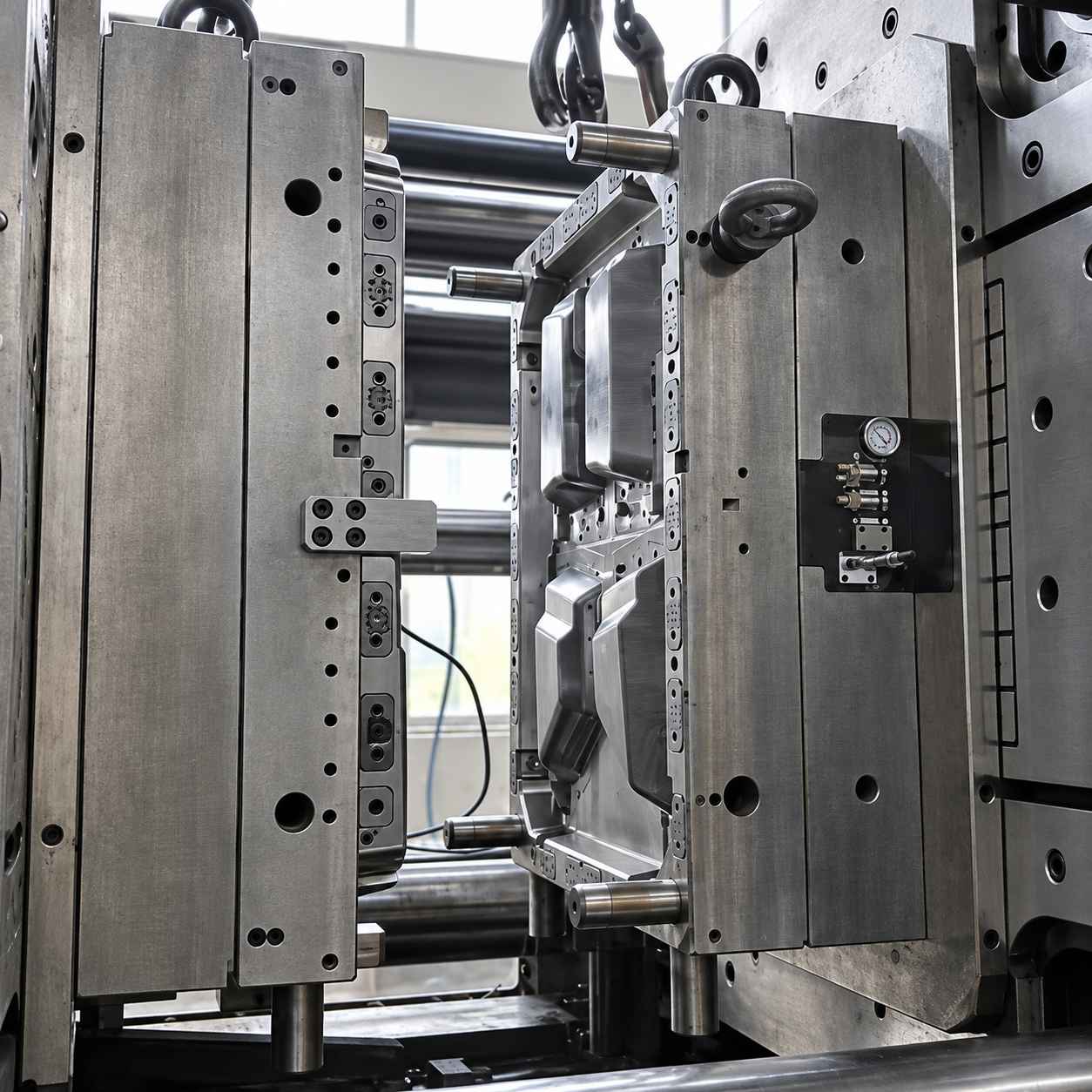
Custom magnetic platen dimensions and mounting arrangements are developed around your machine platens, mold backplates, and available installation space.
Magnetic pole layouts and control configurations are selected according to mold contact conditions, clamping requirements, and operating sequences.
Controller feedback, magnetic status monitoring, and machine interlocks are reviewed to support controlled mold clamping and safe operating sequences.
Mounting details, electrical connections, and agreed functional checks are coordinated to help ensure the complete system meets project requirements.
From frequent mold changes to mixed-product manufacturing, magnetic mold clamping systems can help reduce manual setup work and make changeovers more consistent. MAGWORK develops application-specific solutions around different injection molding machines, mold configurations, and production requirements.

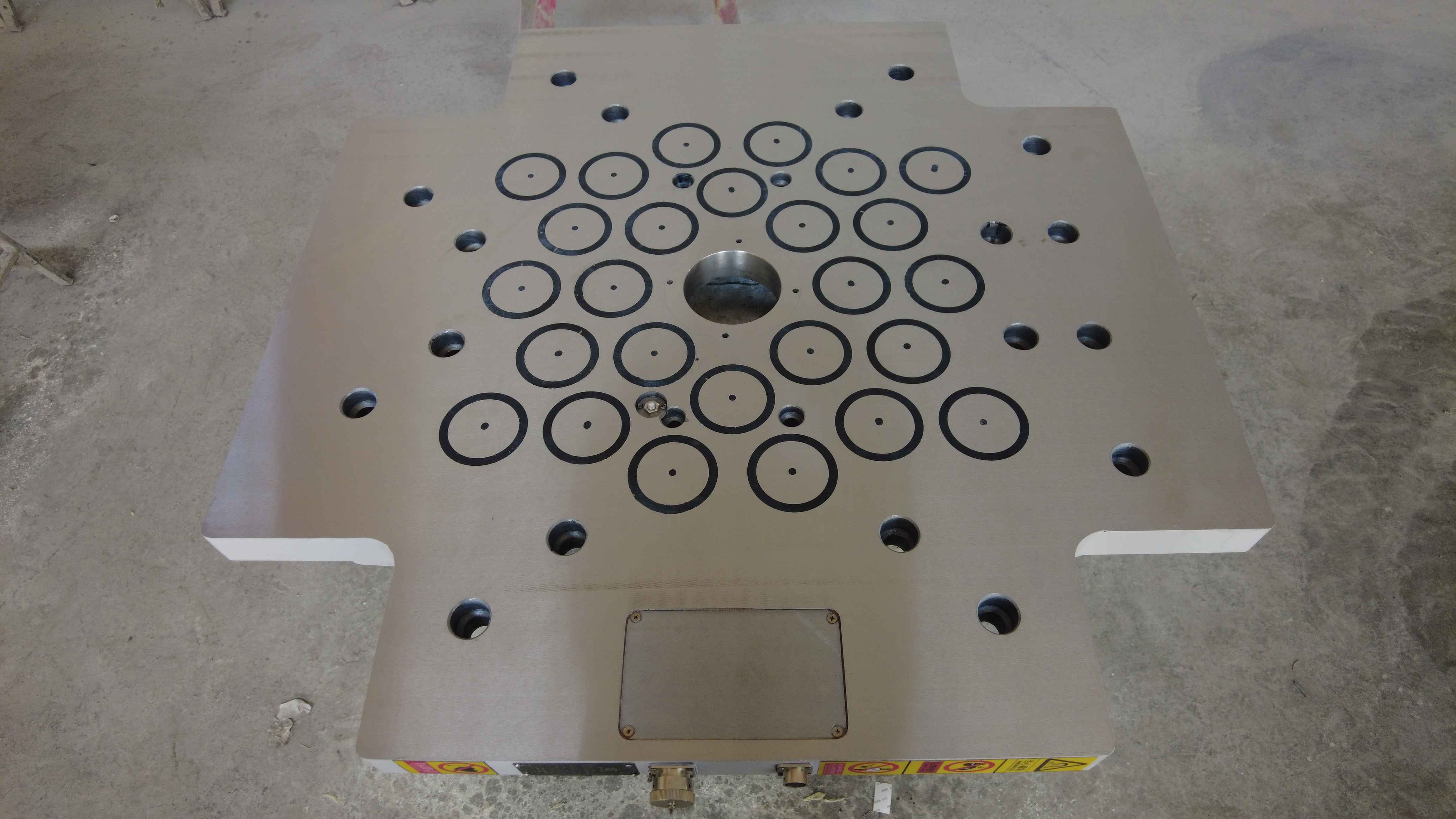
A magnetic quick mold change system is only as dependable as the components behind it. MAGWORK coordinates precision manufacturing, magnetic assembly, and control-system integration to turn approved designs into practical mold clamping solutions—helping reduce manufacturing inconsistencies and installation issues.
From precision-machined platen bodies and magnetic pole assemblies to protected electrical connections, we focus on the details that affect long-term performance. Each system is developed around agreed technical specifications and prepared for functional verification before delivery.
Precision platen & pole assembly
Protected coils & cable connections
Clamping status & control signals
Clamping status & control signals

A magnetic mold clamping system must do more than hold the mold securely. MAGWORK considers clamping status, mold contact, machine movements, and control responses together—helping ensure the quick mold change system operates within agreed safety conditions.
Verify magnetic clamping feedback and machine interlocks to prevent unsafe operation when the mold is not properly secured.
Evaluate backplate flatness, material, thickness, and actual magnetic contact to identify conditions that may reduce holding reliability.
Check nozzle alignment, ejector movement, tie-bar clearance, and mold travel to avoid interference during machine operation.
Review magnetic holding behavior, controller alarms, and machine response during power interruptions or abnormal operating conditions.
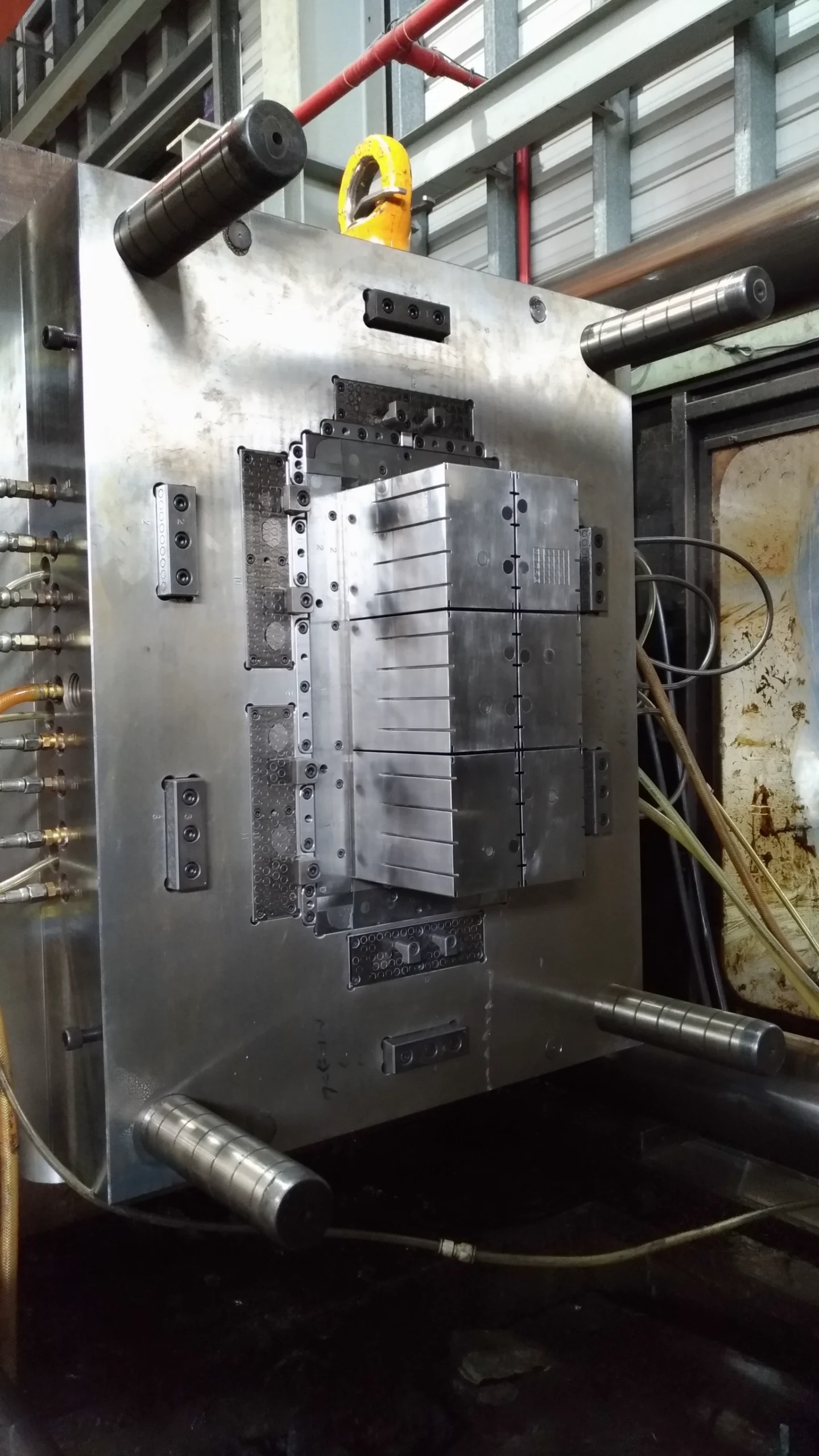
When production requires switching between multiple molds, repeated bolt tightening and manual adjustments consume valuable machine time. Magnetic quick mold change systems can simplify clamping operations and help reduce changeover downtime.
Different mold dimensions often require repositioning conventional clamps. A properly sized magnetic platen can accommodate a range of compatible mold backplates, reducing clamping adjustments when switching between products.
Replacing an entire injection molding machine isn't always necessary to improve mold change efficiency. A custom magnetic mold clamping system may offer a practical retrofit option for compatible equipment, subject to machine integration and safety requirements.
A magnetic quick mold change system involves more than magnetic platens. Controllers, machine connections, and installation requirements must work together. MAGWORK helps clarify the complete system scope and acceptance requirements before production—reducing unexpected costs, integration delays, and commissioning issues.
Confirm platen dimensions, mounting arrangements, mold coverage, and required components so the delivered system matches your machine and approved design.
Define controller functions, cable connections, status signals, and machine interface responsibilities to avoid missing components or unclear integration requirements.
Agree on installation guidance, functional testing, operating instructions, and acceptance criteria before delivery to support a smoother system startup.
Electro-permanent magnetic clamping combines electrically controlled switching with magnetic holding that requires no continuous power. For suitable injection molding applications, it helps simplify mold changes, reduce manual clamping work, and support more consistent operating procedures.
Magnetic platens on both sides of the press hold compatible mold backplates, reducing the need for repeated manual bolt fastening during mold changes.
Electrical pulses activate or release magnetic holding, while compatible controllers provide status feedback to support clear, controlled clamping operations.
With suitable positioning and verified clamping conditions, operators can complete mold changes through a more standardized process with fewer manual fastening steps.
Clear operating instructions, accessible connections, and planned maintenance checks help keep the magnetic mold change system manageable in daily production.
A magnetic quick mold change system must deliver more than strong holding force. MAGWORK coordinates quality checks covering platen accuracy, controller functions, and system interfaces against agreed specifications—helping reduce installation issues, unexpected rework, and commissioning delays.
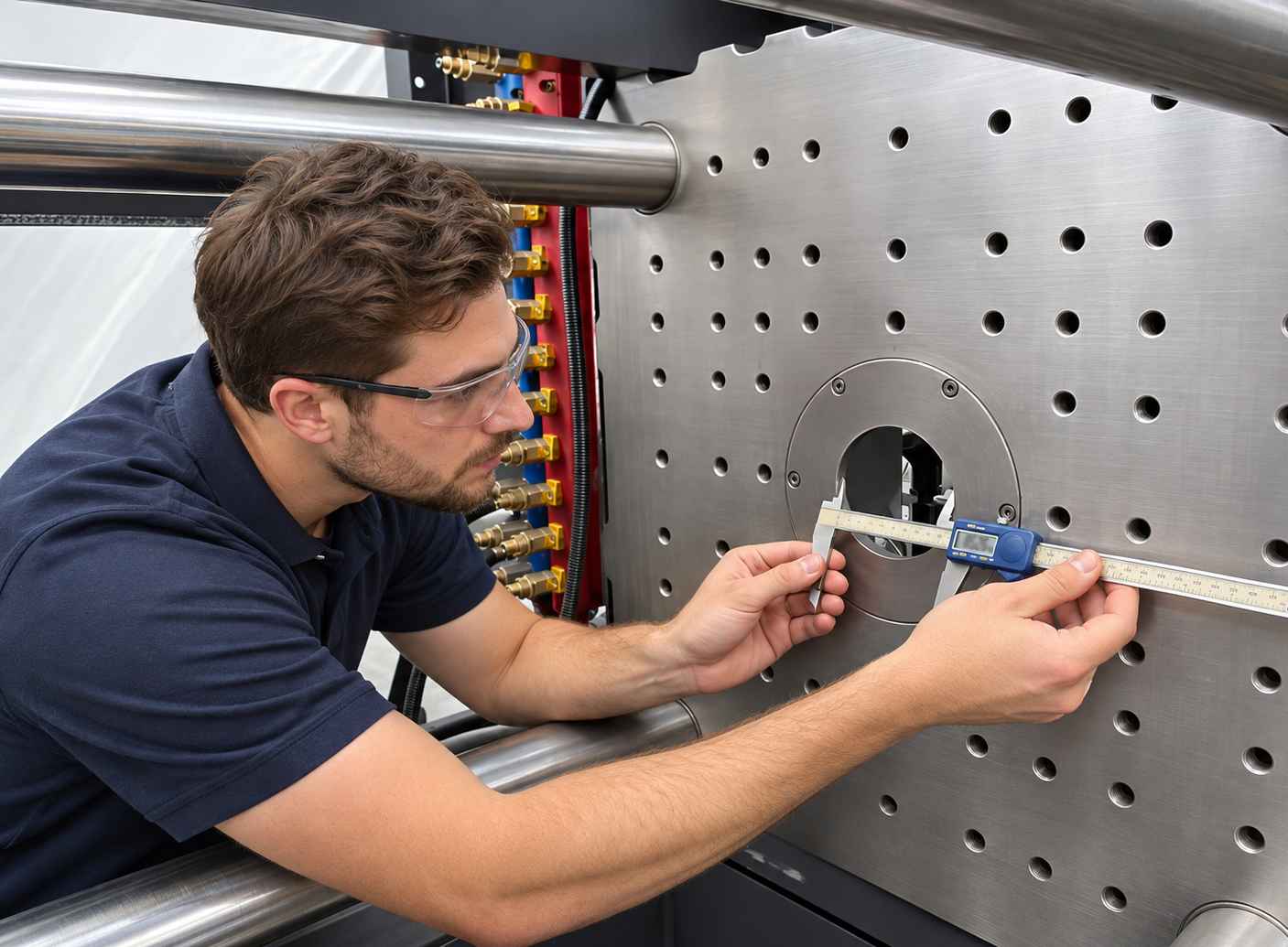
From magnetic platen construction to control-system functions, we focus on the details that affect installation, operation, and long-term reliability. Inspection requirements are defined around the approved system configuration.
Working-face condition, mounting dimensions, and assembly integrity.
Magnetization, demagnetization, and clamping-status feedback.
Agreed interlock signals, alarm responses, and machine-interface functions.
Inspection records, control instructions, and agreed acceptance requirements.
Upgrading to a magnetic quick mold change system shouldn't mean managing multiple suppliers and complicated technical discussions. MAGWORK coordinates engineering communication, manufacturing progress, control-system requirements, and delivery through one point of contact—helping simplify your project from initial review to final handover.
Share injection molding machine details, mold drawings, and changeover requirements.
Assess machine compatibility, mold contact conditions, and system feasibility.
Receive a recommended magnetic platen and controller configuration.
Confirm platen dimensions, interfaces, and agreed technical specifications.
Arrange components and materials for the approved system design.
Coordinate manufacturing, assembly, and agreed functional inspections.
Protective packaging, export documentation, and delivery coordination.
Assistance with installation coordination, operation, and system-related questions.
Find answers to common questions about magnetic quick mold change systems, electro-permanent mold clamping, injection molding machine compatibility, safety requirements, and custom system solutions.
Magnetic mold clamping can reduce the time spent loosening, positioning, and tightening conventional clamps. Actual time savings depend on mold size, existing clamping methods, machine setup, and changeover procedures. MAGWORK can help evaluate potential improvements based on your production conditions.
Yes, many existing injection molding machines may be suitable for magnetic platen retrofits. Compatibility depends on platen dimensions, mounting arrangements, machine controls, available space, and safety integration requirements.
A properly designed magnetic platen can accommodate a range of compatible mold sizes. However, each mold must provide sufficient ferromagnetic contact area and meet the system's operating requirements. Very small or irregular backplates may require additional evaluation.
Electro-permanent magnetic platens maintain their magnetic state without continuous electrical power after activation. However, power-loss behavior of the complete machine and control system must be evaluated, including alarms, interlocks, and safe operating procedures.
Yes. MAGWORK can help develop custom magnetic platen configurations based on machine dimensions, mold backplates, mounting interfaces, clamping requirements, and controller compatibility.
Compatible magnetic mold clamping systems can provide magnetic status feedback and machine interlock signals. These functions help confirm the commanded clamping state, but actual mold contact and system safety must be validated according to the approved design.
They may be suitable when the system is specifically engineered for the mold weight, backplate material, contact area, and machine operating conditions. Holding capacity alone is not sufficient; the complete installation must be evaluated.
Yes, compatible systems can support standardized mold change procedures and machine-control integration. Automation requirements, signaling, interlocks, and operating sequences must be confirmed for each project.
Maintenance typically includes cleaning magnetic platen surfaces, inspecting cables and connectors, checking controller indications, and reviewing operating functions. The actual maintenance schedule depends on the system design and working environment.
Share your injection molding machine model, platen dimensions, mold sizes and weights, backplate materials, mounting drawings, and changeover requirements. MAGWORK can use these details to evaluate compatibility and recommend a suitable magnetic clamping configuration.
Frequent mold changes slowing down your production? MAGWORK helps you explore custom magnetic quick mold change systems designed around your injection molding machine, mold sizes, and operating requirements.
Share your machine details or mold drawings. We'll help evaluate a suitable magnetic clamping solution to simplify changeovers and reduce unnecessary downtime.