Real contact area
Review usable ferromagnetic surface, air gaps and part seating.
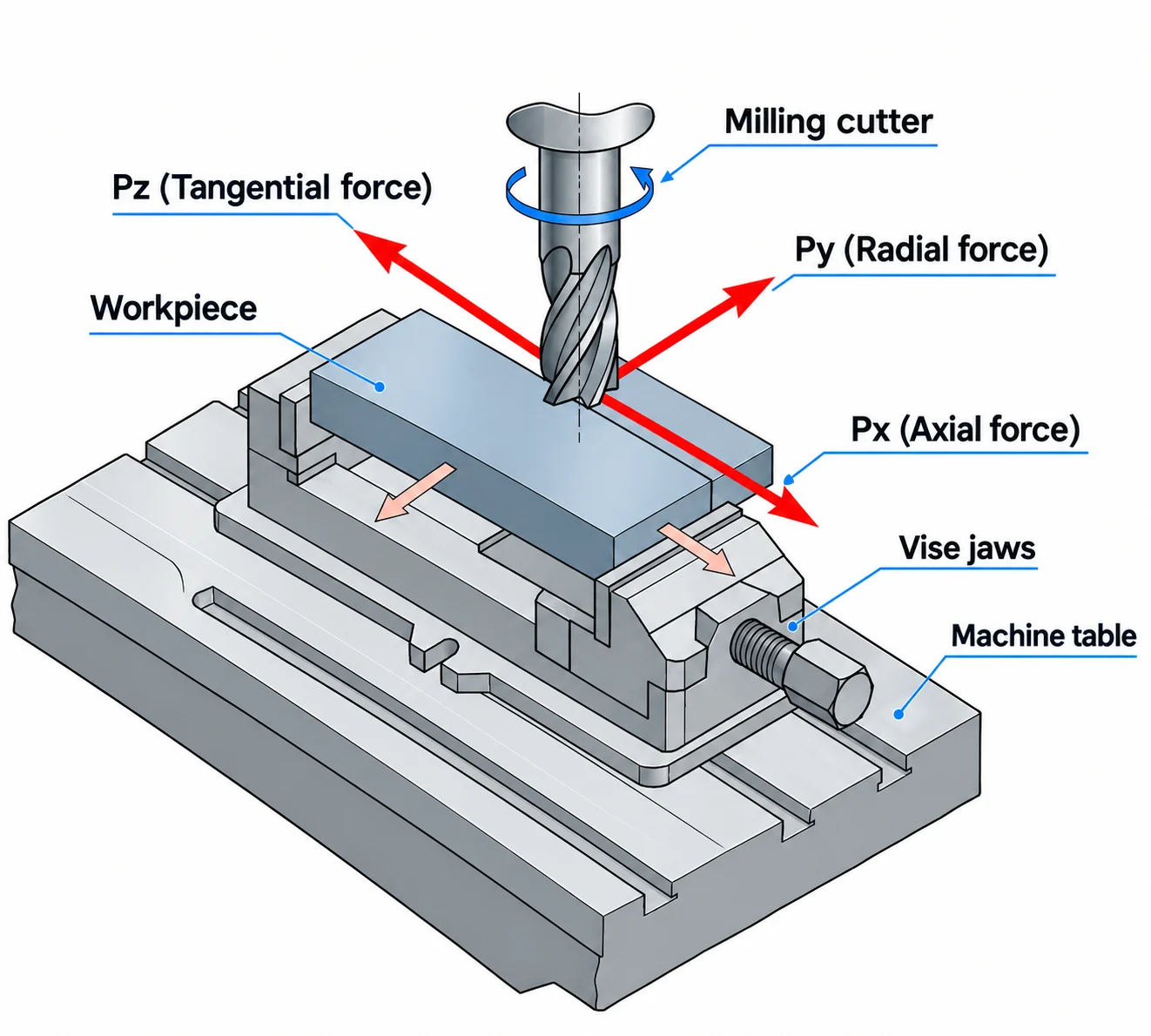
Engineering for CNC milling begins with locating stops and positive side-load restraint. Workpiece geometry and actual machine travel define the fixture outline; the magnetic pole arrangement must then be evaluated within that structure.
Review usable ferromagnetic surface, air gaps and part seating.
Mechanical stops may be needed; magnetic holding should not be treated as sufficient by default.
Plan open faces and cutter approach without tool-fixture collisions.
Match fixture dimensions, mounting interfaces, and working height to your milling machine.
Standard clamps can limit tool access, while conventional magnetic chucks may not suit every workpiece. MAGWORK develops custom magnetic fixtures that combine magnetic holding, mechanical support, and practical positioning features to help simplify complex milling setups.
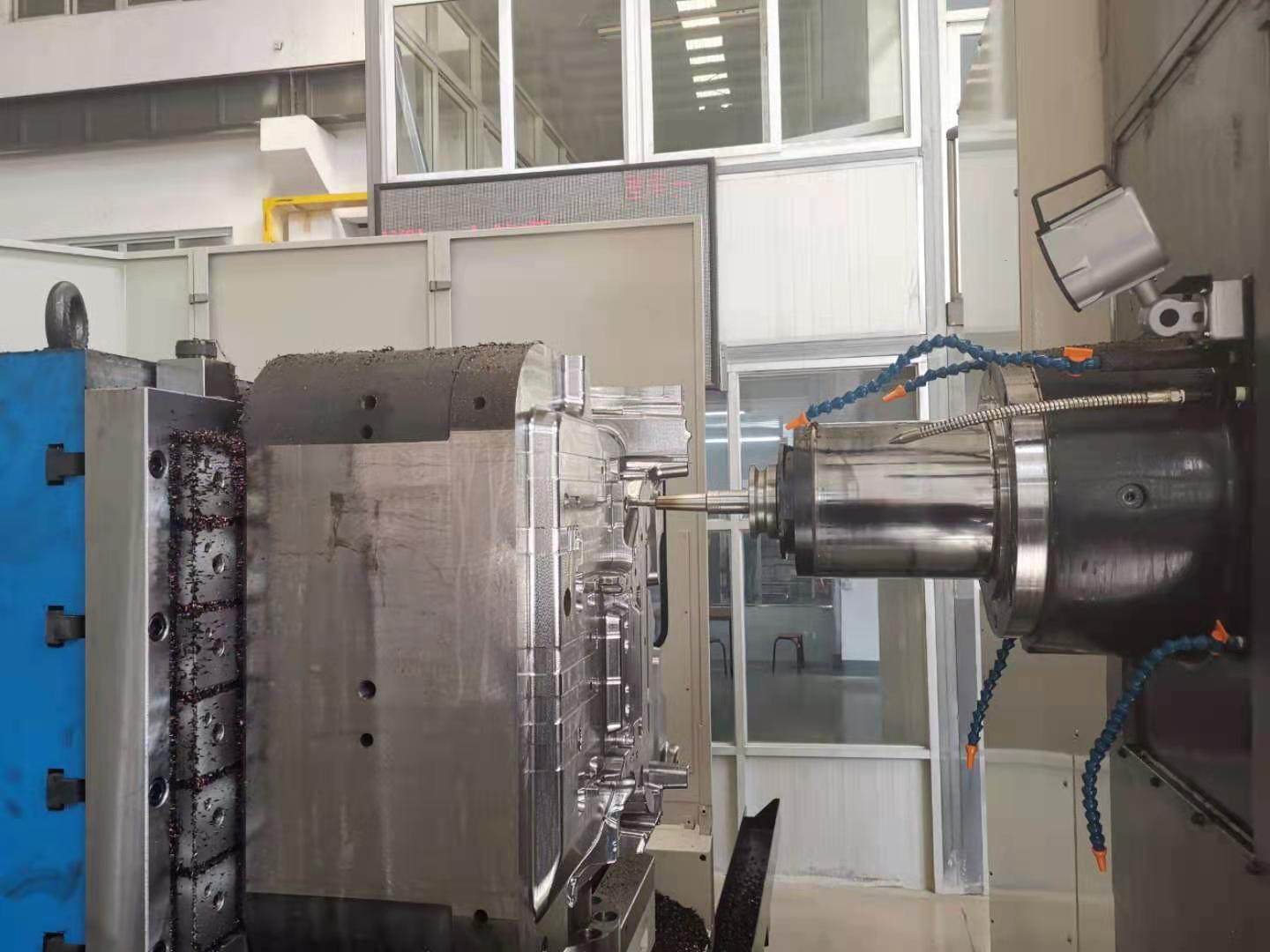
Keep the top and sides of suitable steel workpieces accessible for machining. Magnetic holding with properly positioned stops can reduce clamp interference and unnecessary repositioning.

Custom pole extensions, support blocks, and locating features help accommodate uneven contact surfaces, allowing better access to complex profiles during CNC milling.
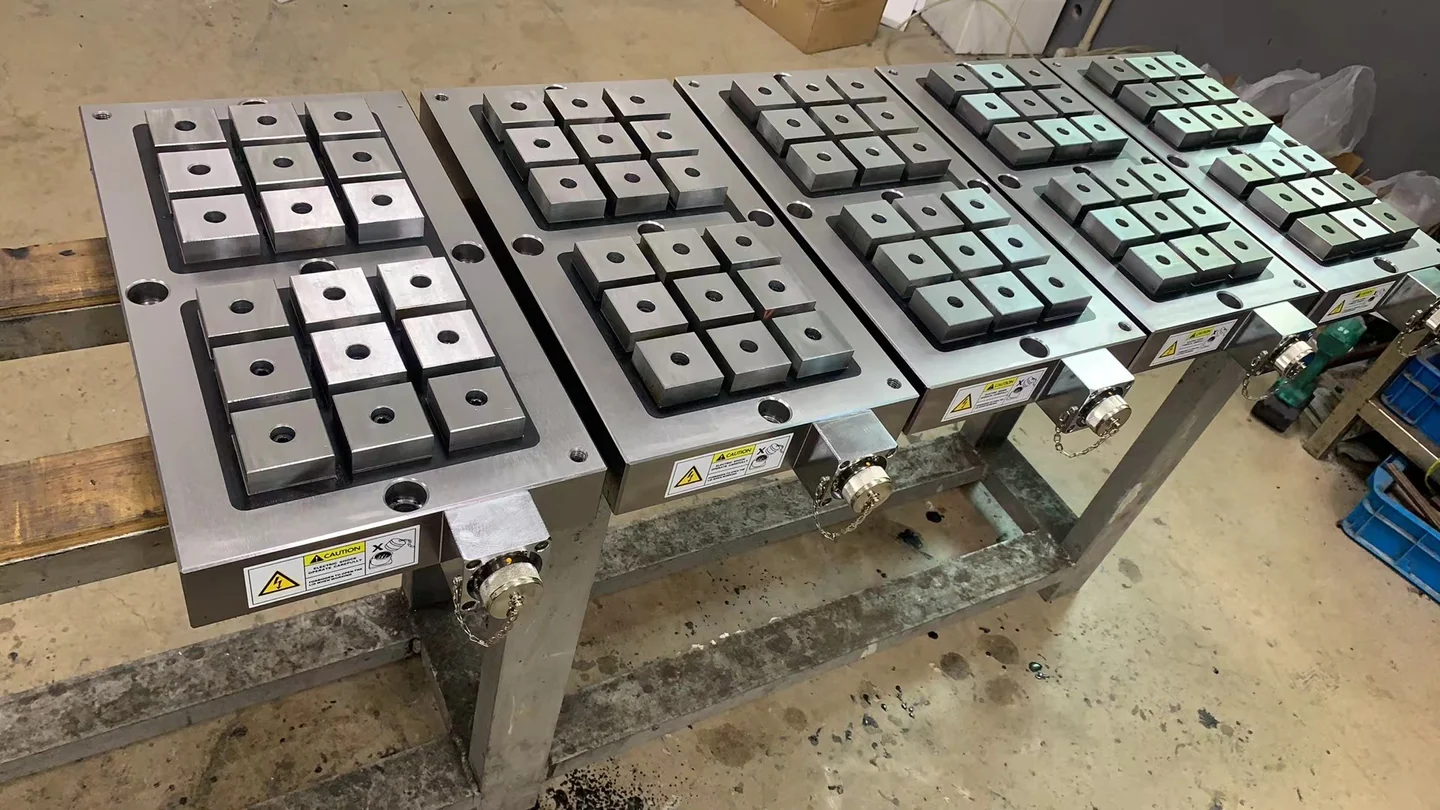
From special magnetic plate sizes to customized support and mounting layouts, we develop fixture configurations that fit your workpiece geometry and machine requirements.
A good milling fixture should do more than hold your part. MAGWORK develops custom magnetic workholding configurations that balance cutting forces, tool access, and machine compatibility—helping you reduce setup limitations without compromising workpiece stability.
From workpiece drawings to fixture layouts, we focus on the details that make milling setups more practical. Magnetic pole placement, mechanical stops, tool clearances, and mounting interfaces are considered together to create a fixture suited to your machining requirements.
Effective magnetic contact
Resist lateral cutting loads
Machine Interface
Fit your CNC machine table
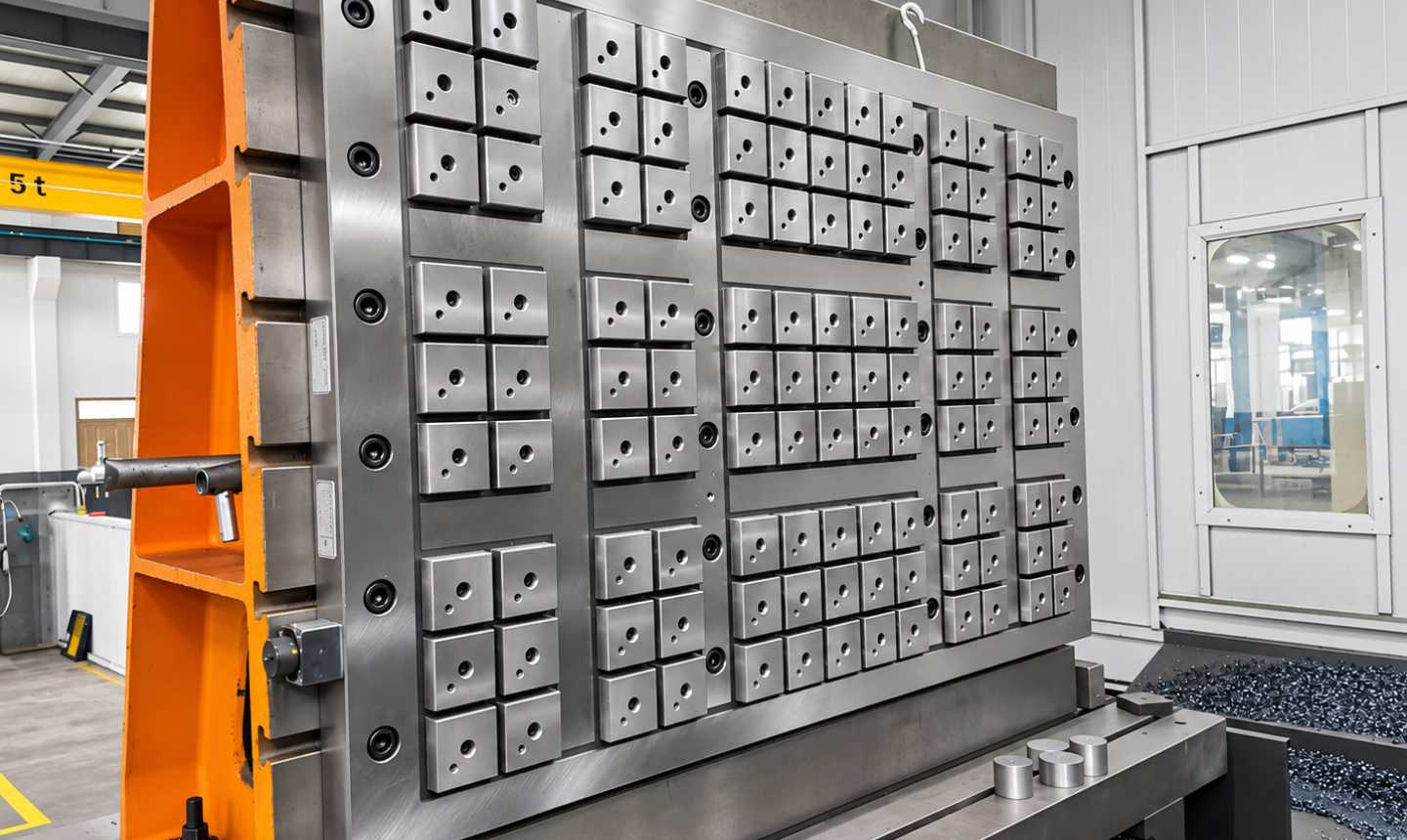
From large machining tables to complex steel components, the right magnetic fixture can help improve tool access, workpiece positioning, and setup flexibility. Explore a customer project and practical fixture concepts for different milling requirements.
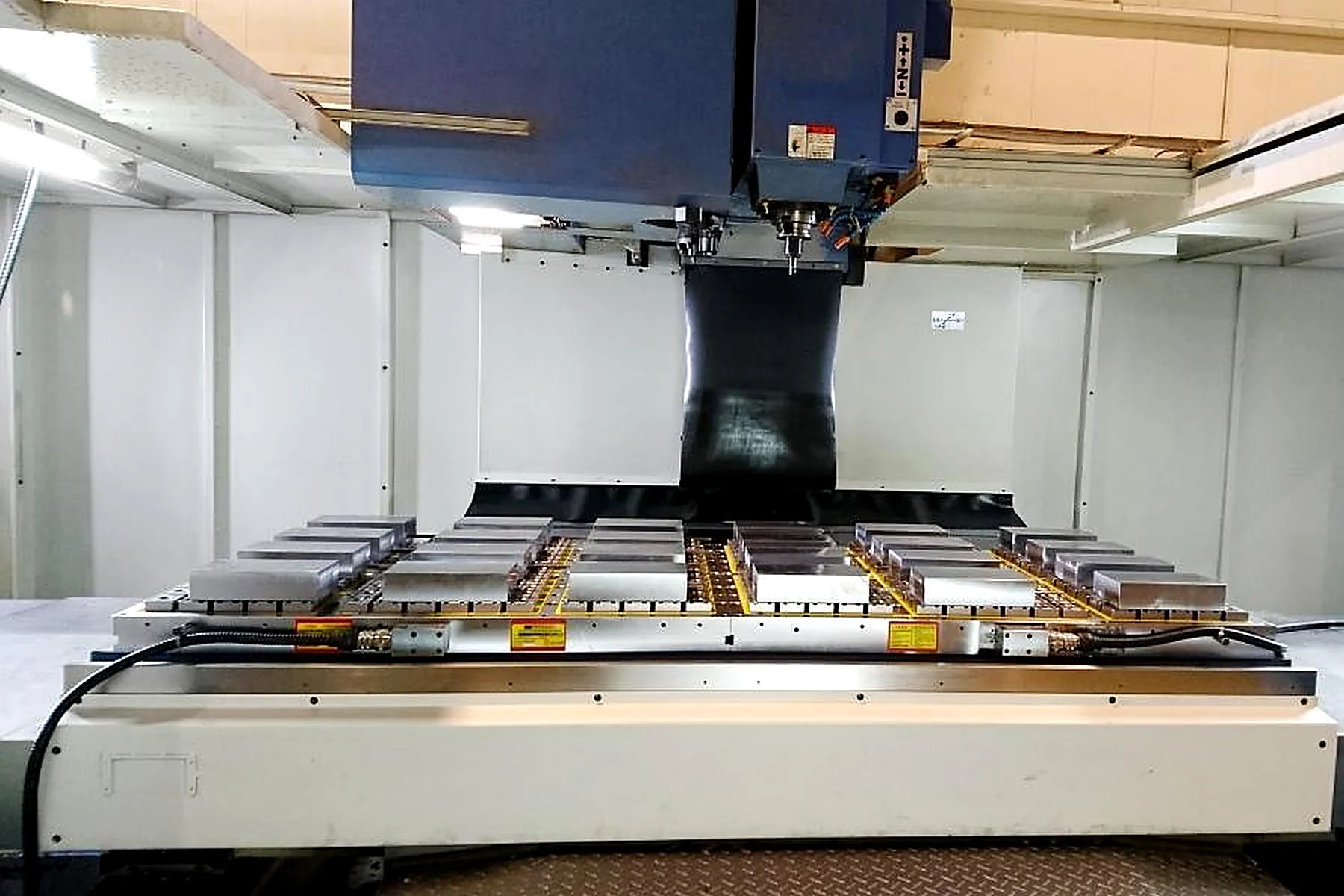
The Challenge: A machine tool customer needed a 1000 × 2000 mm magnetic workholding system for a large cutting machine, with a specified magnetic holding requirement and flexible installation options.
Our Solution: Two electro-permanent magnetic chuck configurations were proposed: four 500 × 1000 mm units operated through one controller, or a single 1000 × 2000 mm chuck. Both options were developed around the machine's working area and control requirements.
Large plates and blocks need sufficient magnetic contact and resistance to cutting loads. A suitable magnetic fixture combines distributed support with mechanical locating stops to help prevent sideways movement.
Custom magnetic workholding can leave more of the workpiece exposed to the cutter. Carefully positioned stops and pole extensions help reduce fixture interference during multi-face CNC milling.
For repeated machining operations, defined locating features and controlled magnetic switching can simplify loading and help maintain consistent workpiece positioning between setups.
A magnetic fixture that holds a stationary workpiece may behave differently once cutting begins. MAGWORK evaluates cutting conditions, force direction, and potential workpiece movement to help determine whether a proposed fixture is suitable for the actual milling operation.
Review cutting depth, feed rate, tool engagement, and expected machining loads.
Evaluate whether cutting forces could cause the workpiece to slide, lift, or rotate.
Consider sudden load changes during slotting, roughing, or interrupted milling operations.
Confirm holding conditions, mechanical restraint, and operating limits before machining.
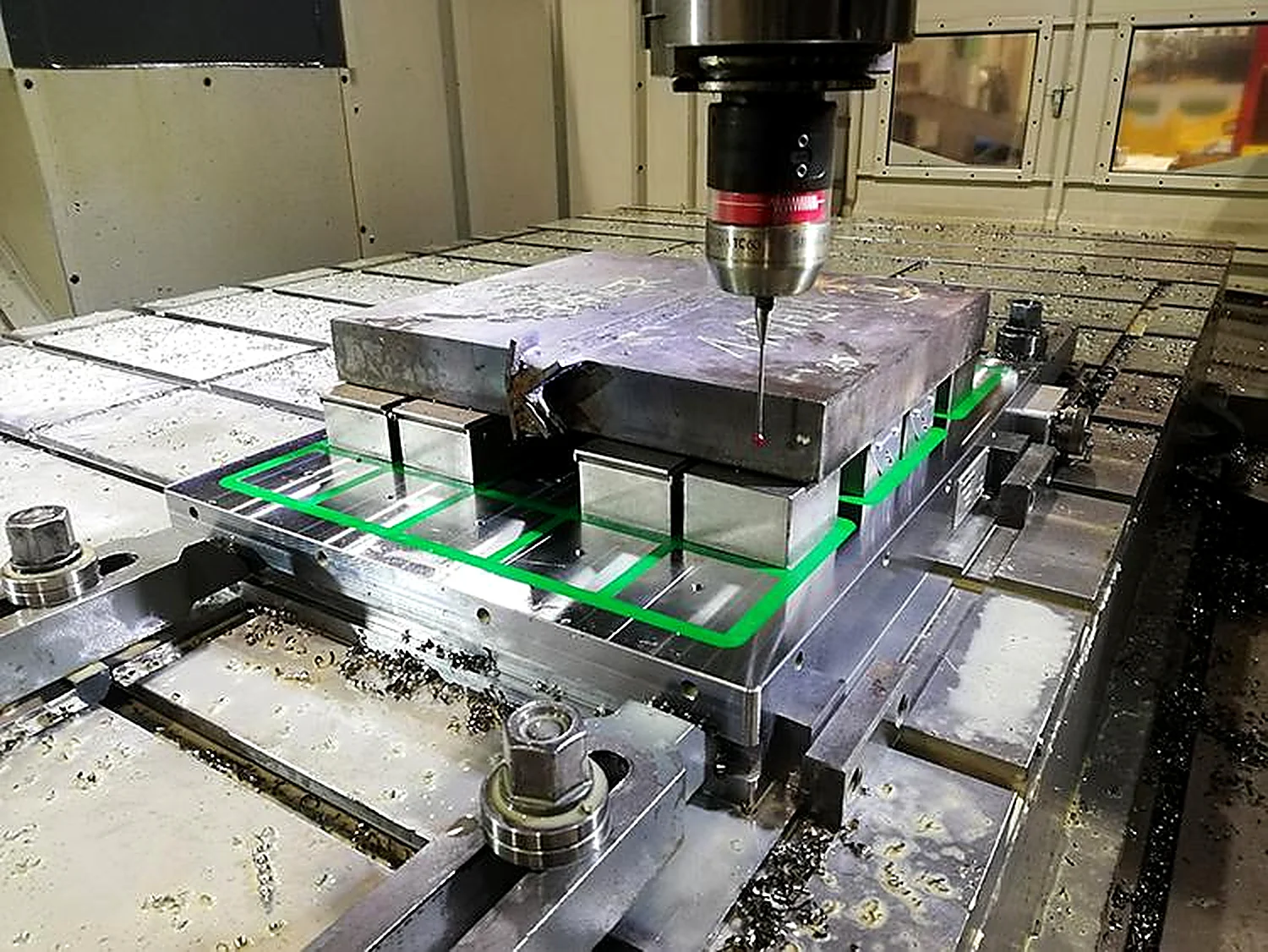
Machine More Surface with Fewer Clamps
A magnetic milling chuck keeps the upper face accessible without conventional top clamps. With suitable locating stops, it can help reduce repositioning and simplify face milling of steel plates.
Better Support for Uneven Workpieces
Welded frames often have gaps, ribs, and uneven contact surfaces. Custom magnetic fixtures with raised pole extensions and support pads can accommodate these features while maintaining access to the machining area.
More Tool Access, Fewer Setups
Magnetic workholding can reduce clamp interference around suitable steel components. Combined with proper positioning and support, it allows more surfaces to remain accessible during multi-face machining.
A clear engineering drawing helps prevent costly mistakes before production begins. MAGWORK defines critical fixture details—from machine mounting and workpiece positioning to technical specifications—so you can review and approve the design with confidence.
Confirm fixture dimensions, mounting holes, working height, and machine-table compatibility to avoid unnecessary installation modifications.
Define magnetic pole locations, workpiece supports, and mechanical stops to achieve practical positioning and holding under the intended cutting conditions.
Review critical tolerances, operating requirements, and agreed inspection criteria before manufacturing to reduce specification errors and rework.
Not every CNC milling operation can rely on magnetic force alone. MAGWORK evaluates workpiece contact, cutting loads, and machine limitations to recommend the right combination of magnetic and mechanical workholding—prioritizing stability, accessibility, and practical machining performance.
Combine magnetic holding with mechanical stops to resist lateral cutting forces and help prevent workpiece movement during milling.
Raised magnetic poles and support pads accommodate uneven surfaces, pockets, and ribs while maintaining stable contact and machining access.
Customize fixture dimensions, mounting interfaces, and working height to fit your CNC machine without unnecessary modifications.
When magnetic contact is insufficient or cutting loads are excessive, mechanical or hybrid fixtures may provide a safer solution.
A fixture that looks right isn't necessarily ready for machining. MAGWORK focuses on critical quality checks—from mounting accuracy to magnetic function and mechanical stability—to help reduce installation issues, unexpected rework, and costly production delays.
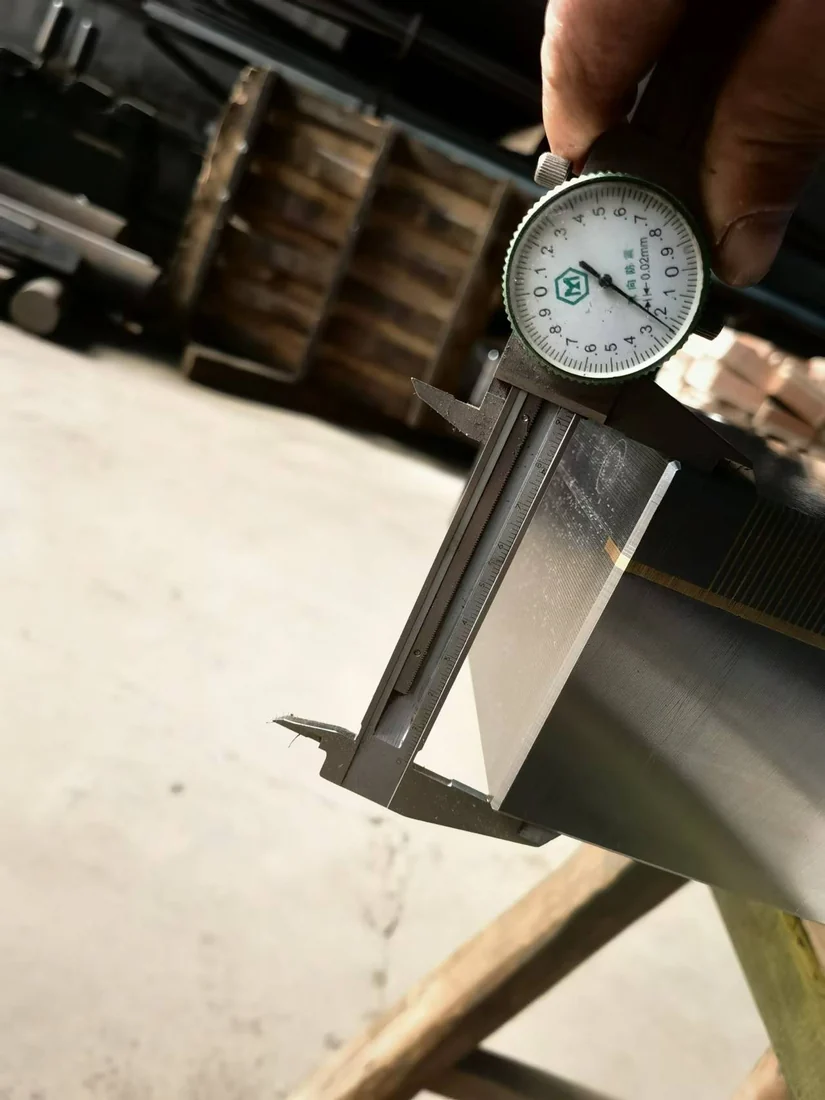
Quality goes beyond appearance. We coordinate inspections against agreed specifications, focusing on the dimensions, contact surfaces, and operating functions that matter to your CNC milling setup.
Critical dimensions, mounting holes, and machine interfaces.
Magnetic holding and switching under specified conditions.
Working-face geometry, support contact, and assembly fit.
Locating features, release operation, and agreed inspection records.
Custom magnetic workholding shouldn't mean complicated sourcing and endless follow-ups. MAGWORK coordinates technical communication, production progress, and delivery through one point of contact, helping you save time and keep your CNC milling fixture project on track.
Share workpiece drawings, machine details, and milling requirements
Assess application feasibility and suitable workholding approaches
Receive a recommended magnetic fixture configuration for your project
Confirm fixture dimensions, mounting details, and agreed specifications
Arrange materials and components for the approved configuration
Coordinate manufacturing, assembly, and agreed functional checks
Protective packaging, export documents, and delivery coordination
Assistance with installation, operation, and product-related questions
Find answers to common questions about magnetic milling fixtures, custom workholding solutions, cutting forces, and machine compatibility.
In suitable applications, magnetic workholding can reduce the need for conventional clamps and improve tool access. However, milling generates lateral forces, so mechanical locating stops or additional supports may still be required.
Yes. We can help develop custom magnetic fixtures with tailored dimensions, pole arrangements, mounting interfaces, and positioning features based on your workpiece and machine requirements.
A suitable fixture combines magnetic holding with positive locating stops and stable support. We review cutting conditions, force direction, and workpiece contact to determine the appropriate holding arrangement.
Yes, depending on the available magnetic contact. Custom pole extensions, raised support pads, and locating features can accommodate certain uneven surfaces, pockets, and complex workpiece geometries.
It can. By reducing clamp interference, a properly designed magnetic fixture may provide access to more machining faces without repeated repositioning. Actual benefits depend on the part geometry and tool path.
Electro-permanent magnetic chucks are often considered for CNC milling because they maintain holding without continuous electrical power. However, the best choice depends on cutting loads, workpiece material, contact area, and machine control requirements.
Share your workpiece drawing, material, dimensions, CNC machine model, cutting process, and required machining faces. These details help MAGWORK evaluate feasibility and recommend a suitable magnetic workholding solution.
Yes, suitable magnetic clamping systems can be integrated with machine controls and automated loading processes. Controller compatibility, operating sequences, and safety interlocks must be evaluated for each application.
Struggling with difficult-to-clamp parts, limited tool access, or complex CNC milling setups? Share your workpiece drawing or machining requirements with MAGWORK.
We'll help you explore a custom magnetic workholding solution that combines secure positioning, practical support, and better machining access.