FAQs About Magnetic Chucks in Railway & Rail Switch Manufacturing
Explore how magnetic chucks support railway component machining, which steel parts are suitable, and what to consider when selecting or customizing magnetic chucks for your production equipment.
Can magnetic chucks hold railway rails and switch components?
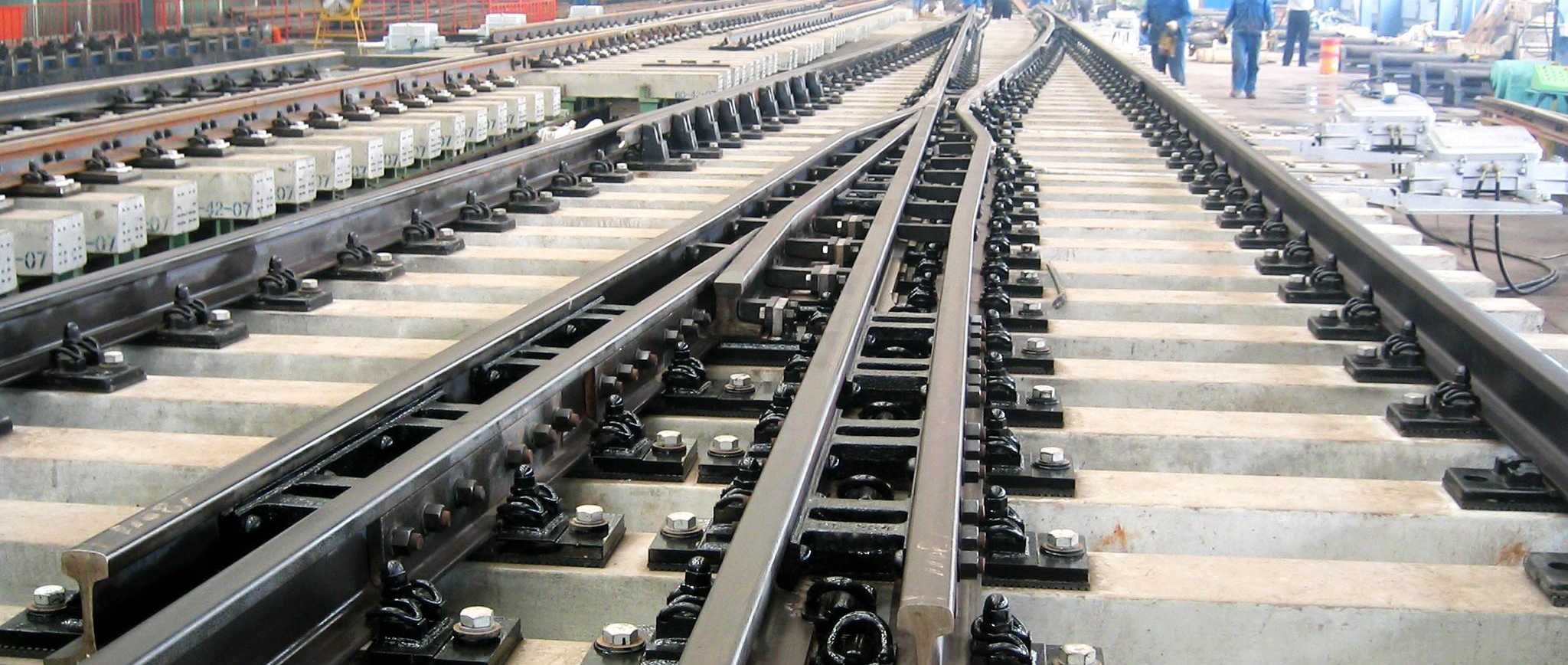
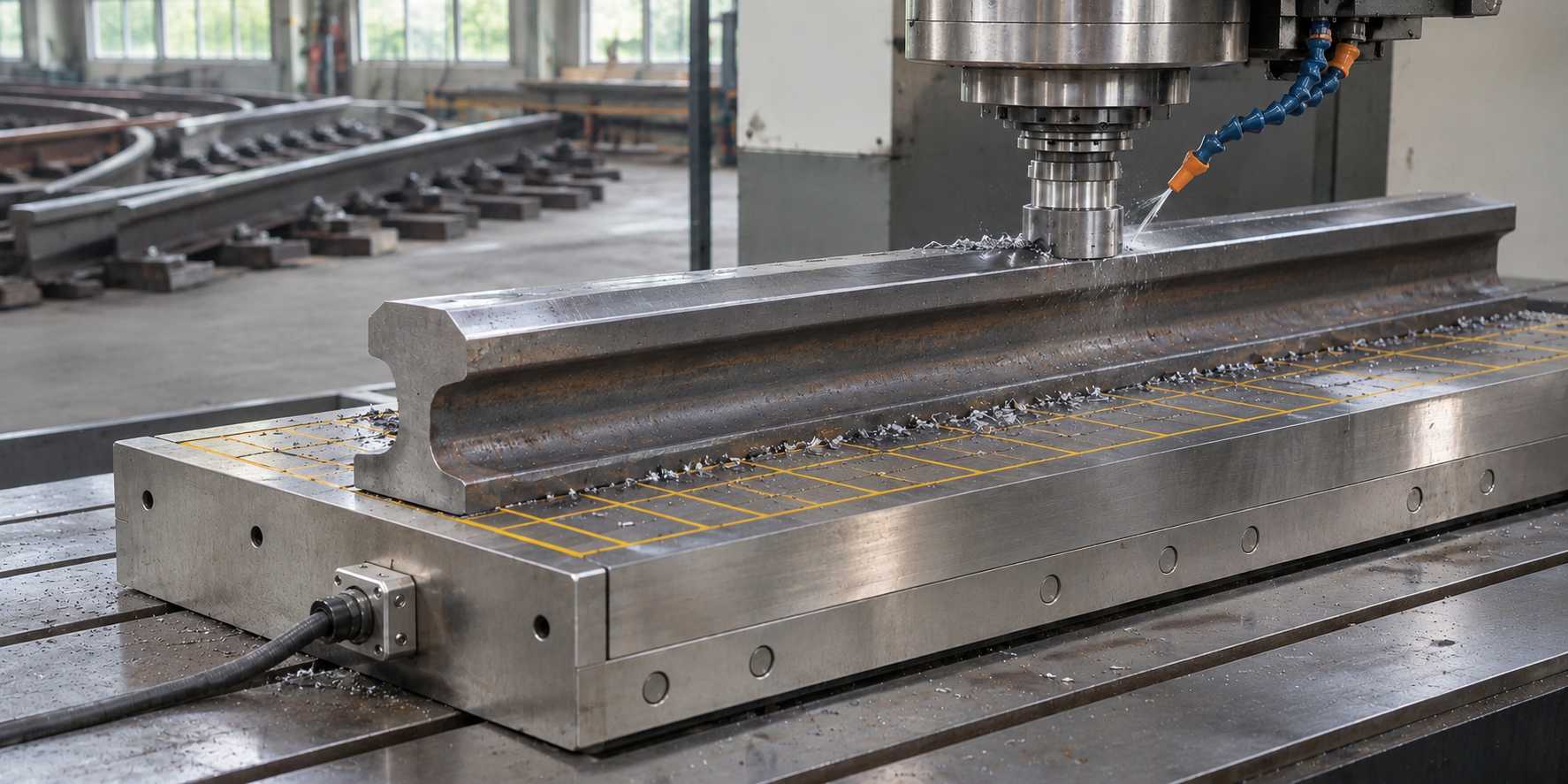
Yes, magnetic chucks can hold suitable ferromagnetic railway steel components when sufficient magnetic contact is available. Flat steel switch plates, tooling blocks, and certain track components may be suitable for magnetic workholding.
However, complete rail profiles and irregular switch components may require specially designed magnetic pole supports. Workpiece geometry, contact area, and machining forces must be evaluated before use.
Which magnetic chuck is suitable for grinding railway wear plates?
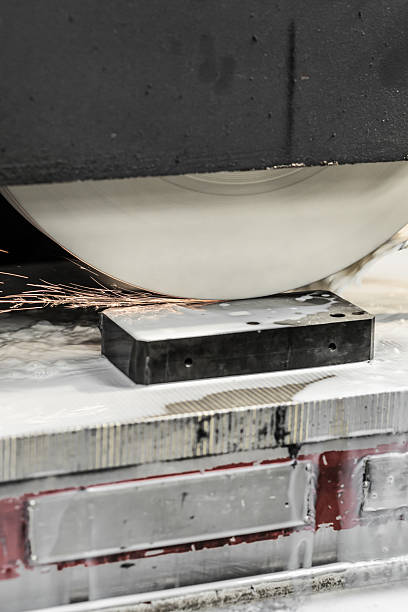
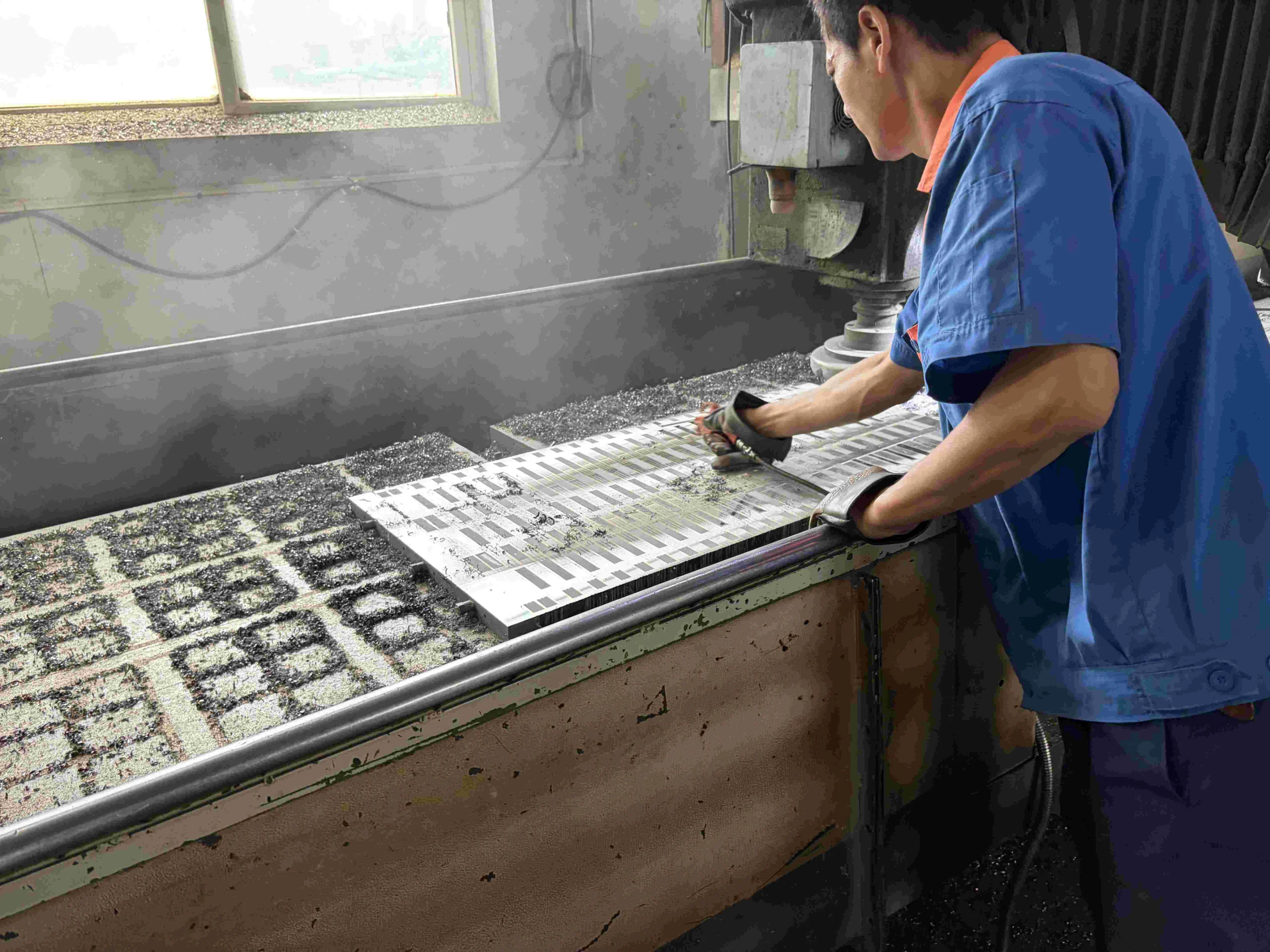
A precision surface grinding magnetic chuck is generally suitable for flat, ferromagnetic railway wear plates. It provides magnetic holding while keeping the upper surface accessible for grinding.
The appropriate chuck depends on plate dimensions, thickness, material, and required surface accuracy. Pole spacing and working surface flatness should also be considered.
Can magnetic chucks hold long or oversized railway steel components?
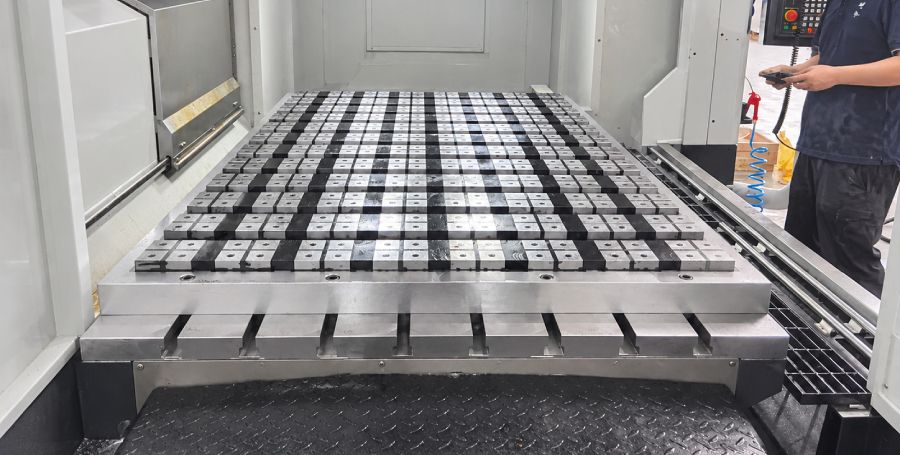
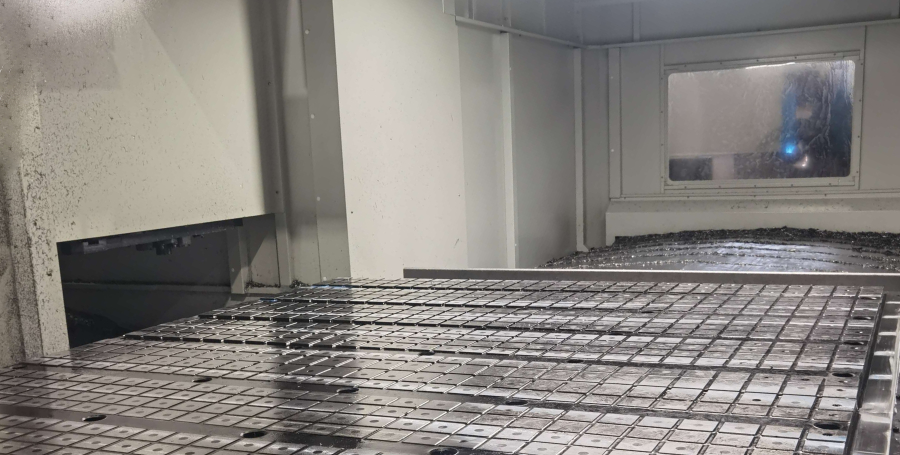
Yes, large magnetic chucks or multiple coordinated magnetic chuck units can be used for suitable long steel workpieces. Custom dimensions and pole arrangements can help accommodate different railway component sizes.
The configuration must provide adequate contact and support across the workpiece. Holding force, cutting loads, and machine-table capacity should be checked before machining.
Can MAGWORK customize magnetic chucks for railway manufacturing equipment?
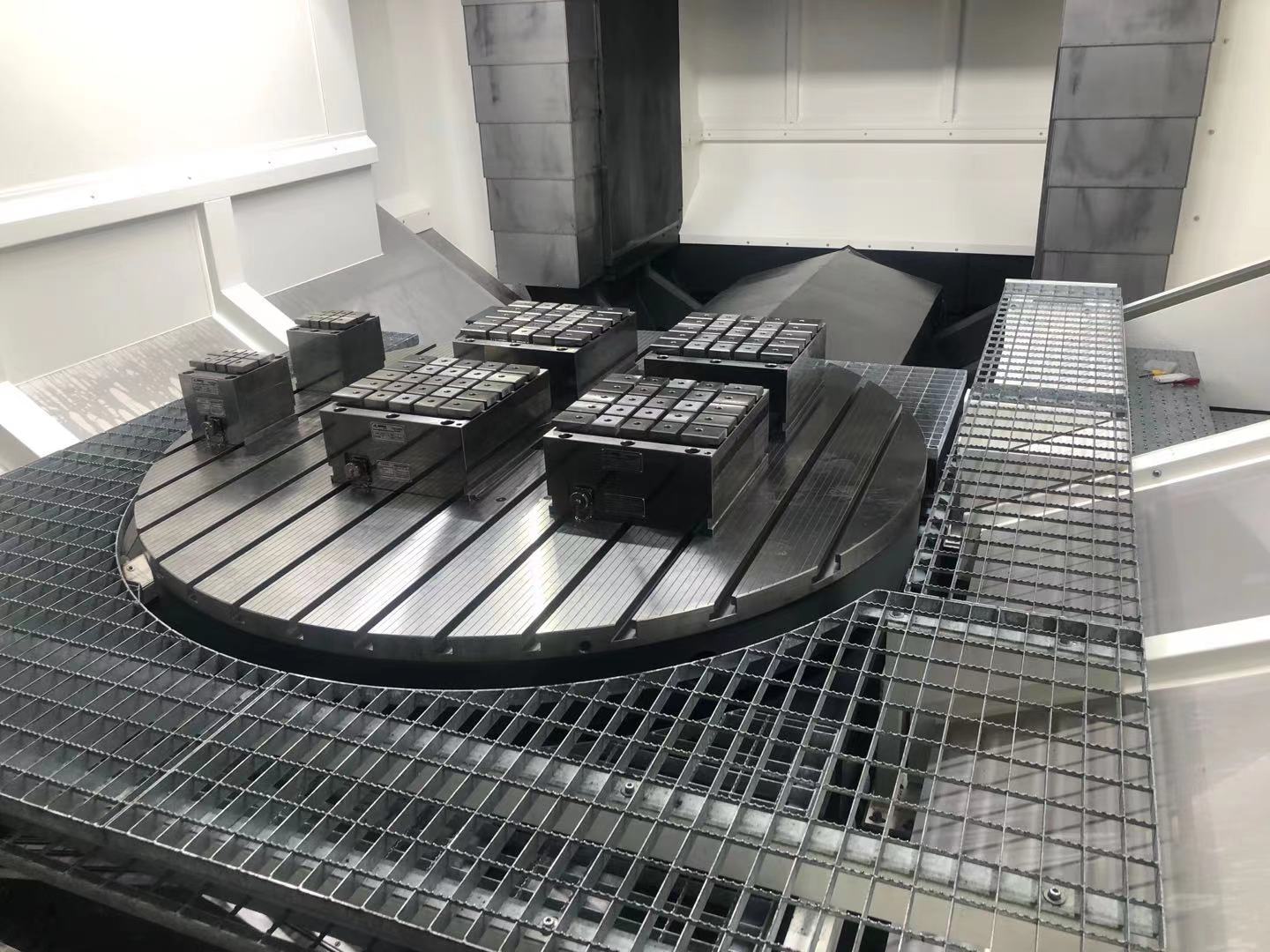
Yes, MAGWORK provides customized magnetic chuck solutions for railway tooling and OEM/ODM equipment applications. Available customization options include chuck dimensions, magnetic pole layouts, holding force requirements, mounting interfaces, and electrical connections.
You can provide your workpiece drawings and machine specifications so our team can evaluate a suitable magnetic chuck configuration.
What information is needed to select a magnetic chuck for railway applications?
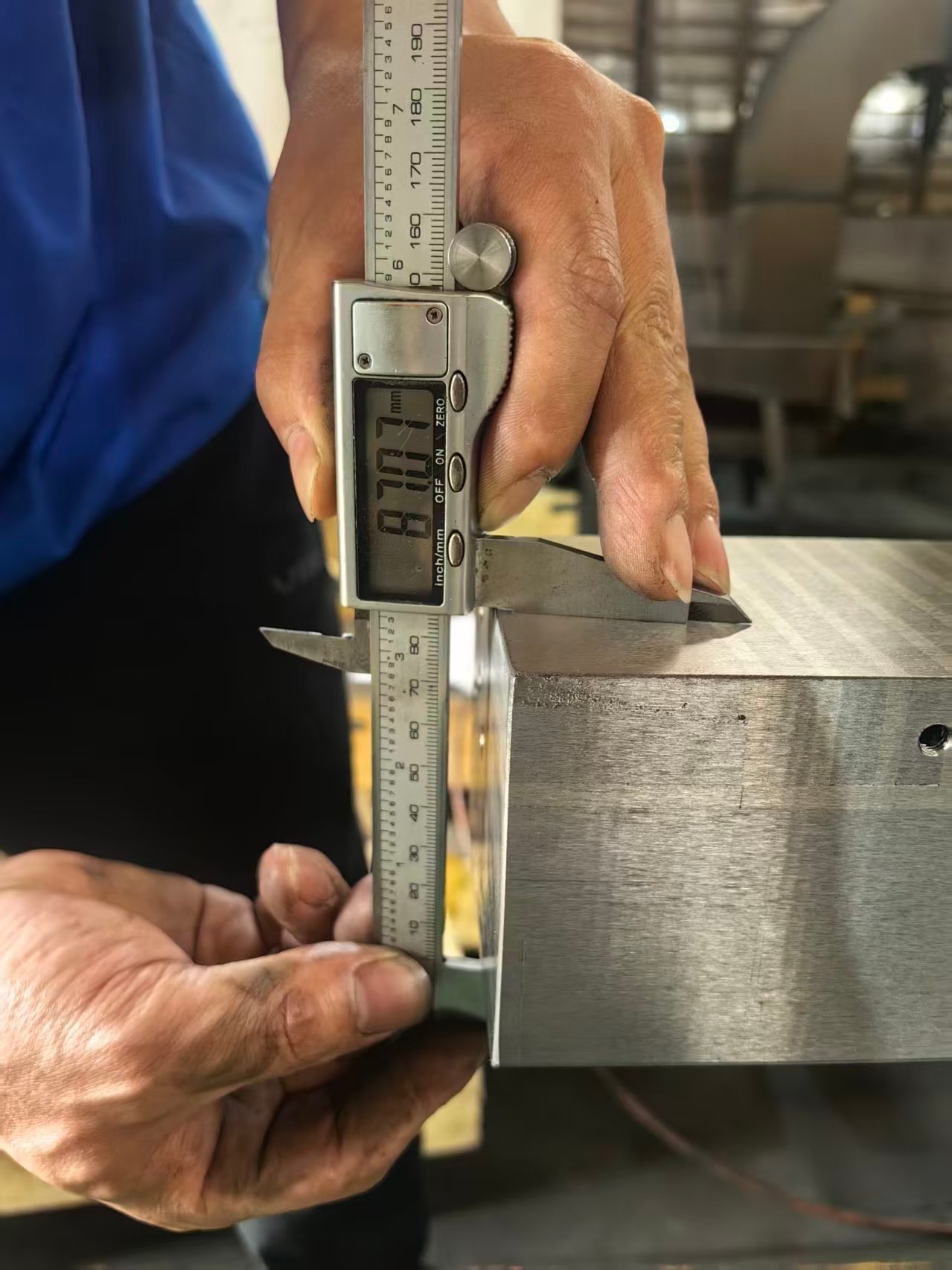
You should provide your workpiece material, dimensions, drawings, machine model, and machining process. These details help determine magnetic contact requirements and the appropriate chuck configuration.
For milling applications, include estimated cutting forces and machining directions. For grinding, provide the required surface flatness, workpiece thickness, and production requirements.