Concentricity & Runout
Even small positioning errors can cause runout, affecting dimensional accuracy and surface finish.

Unlike stationary machining, CNC turning involves a rotating workpiece exposed to continuous cutting forces. Maintaining concentricity, preventing vibration, and securing large or thin-walled parts can be challenging, especially when conventional jaws limit machining access or distort delicate components.
Even small positioning errors can cause runout, affecting dimensional accuracy and surface finish.
Thin-walled rings and discs may distort under concentrated jaw pressure, making precision turning more difficult.
Unbalanced loads and changing cutting forces can cause vibration or movement, particularly with large-diameter workpieces.
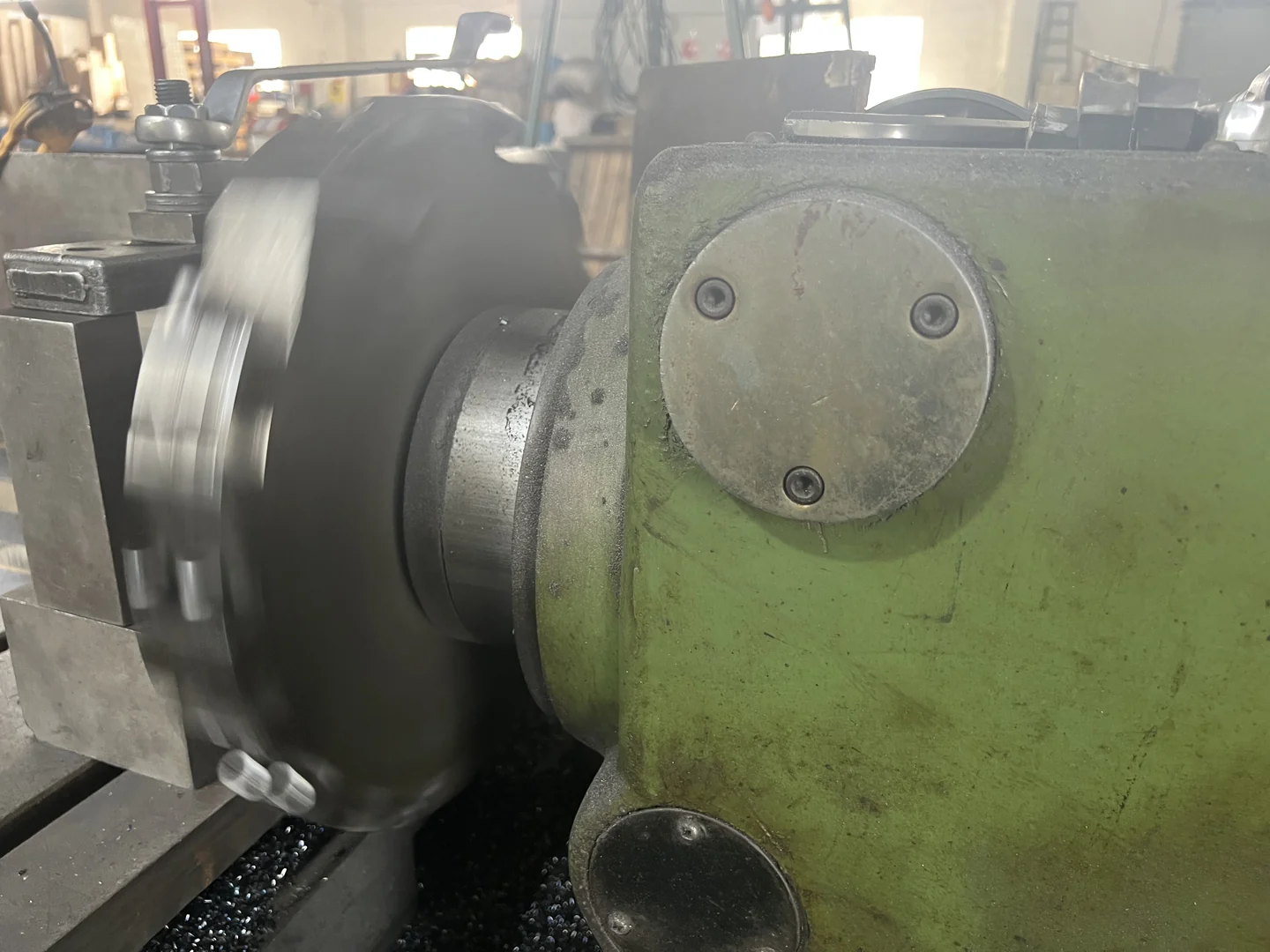
From large steel rings to precision discs and flanges, different workpiece geometries require different holding arrangements. MAGWORK helps match a magnetic chuck for lathe applications to the part's contact surface, machining requirements, and machine configuration.
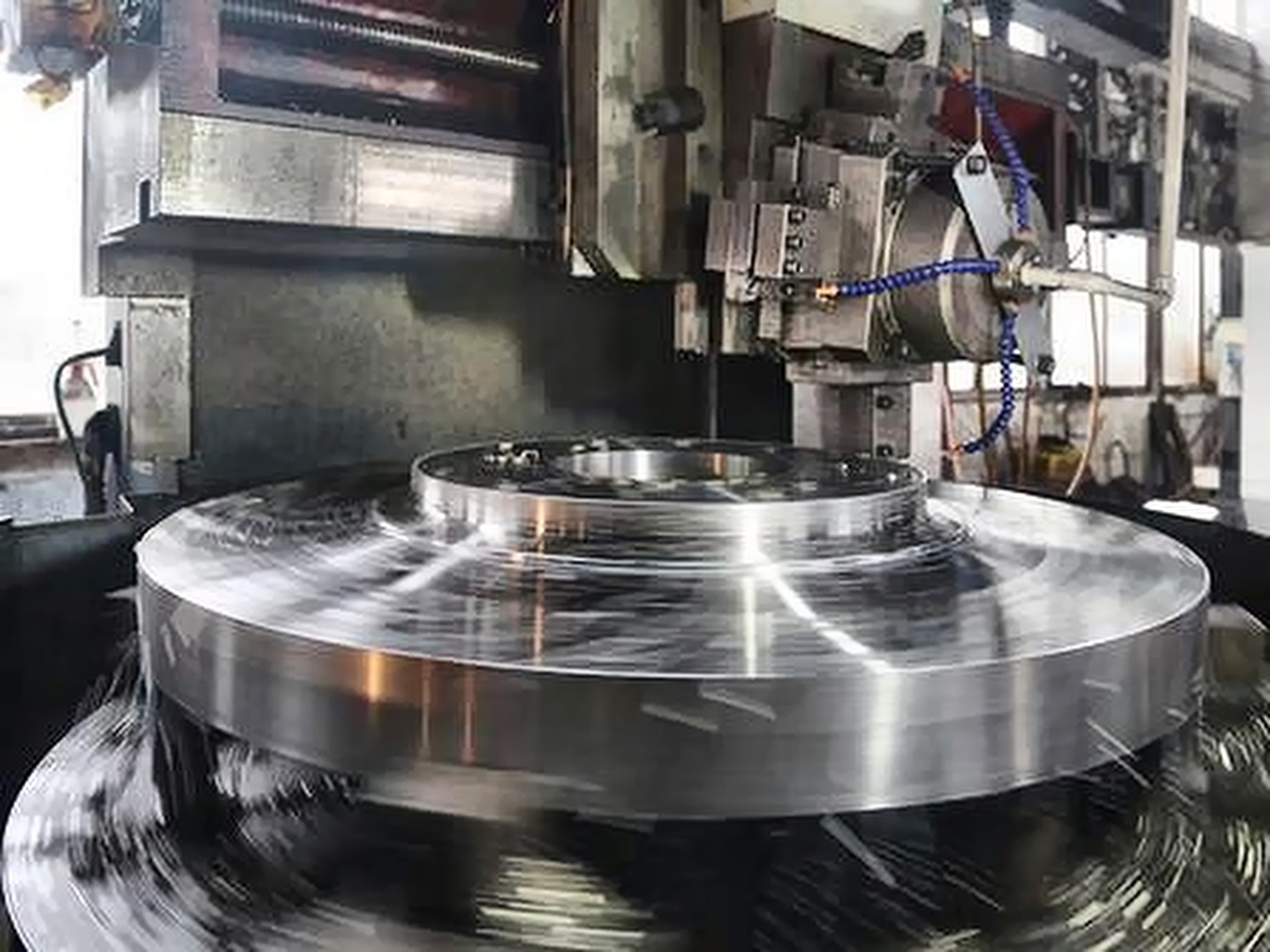
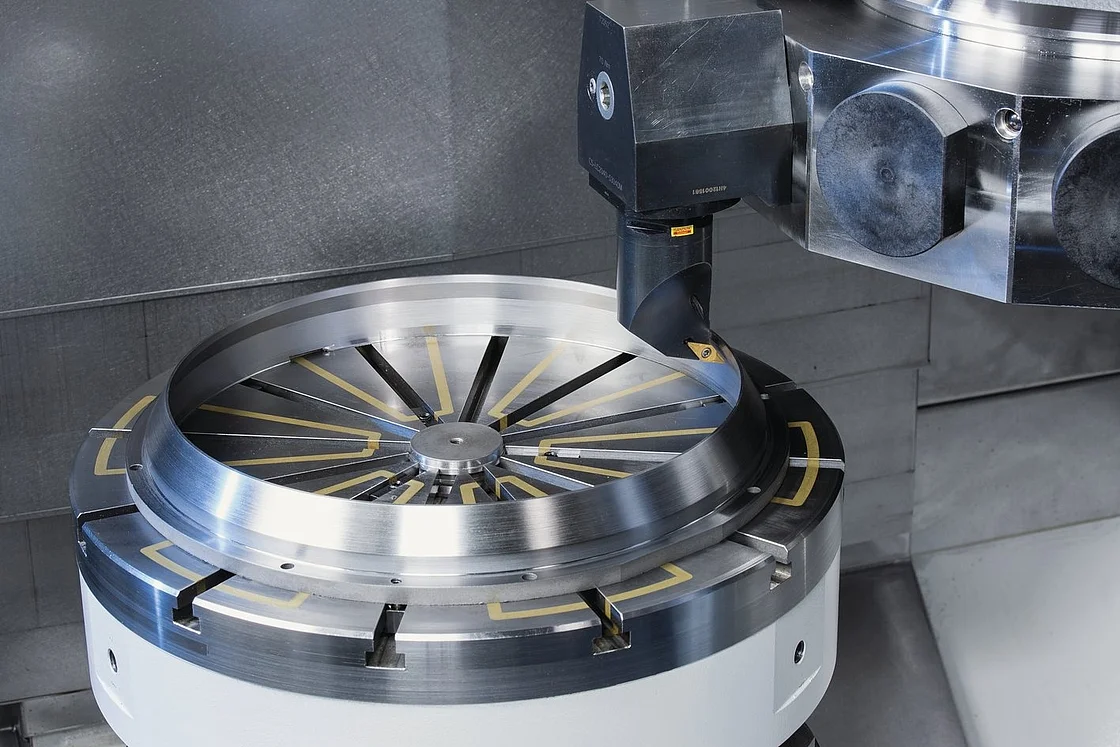

Standard lathe chucks don't fit every workpiece. MAGWORK develops custom circular magnetic chuck configurations that combine precise locating, suitable magnetic pole arrangements, and machine-specific mounting to meet demanding turning requirements.
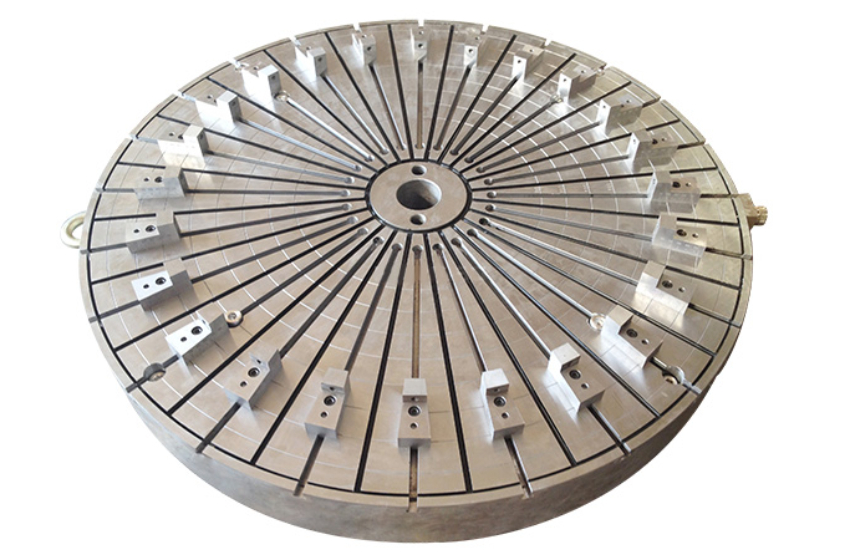
From chuck diameter and magnetic pole layout to centering features and spindle connections, we focus on the details that make a turning fixture practical. Each configuration is developed around your workpiece geometry, machining needs, and machine setup.
Custom diameter & contact
Accurate workpiece location
Speed & retention review
Spindle mounting fit
A rotary magnetic chuck must be designed for more than magnetic holding force. Spindle speed, centrifugal loads, cutting forces, and workpiece balance all affect turning safety. MAGWORK reviews these conditions to help determine whether a proposed magnetic fixture is suitable for the intended rotational application.
Confirm the chuck's rated rotational speed and compatibility with the machine's operating conditions.
Evaluate mass distribution and eccentric loading to reduce vibration and imbalance during rotation.
Assess axial, radial, and centrifugal forces to determine the required holding and mechanical retention.
Check actual contact, workpiece support, and safe loading and unloading procedures.
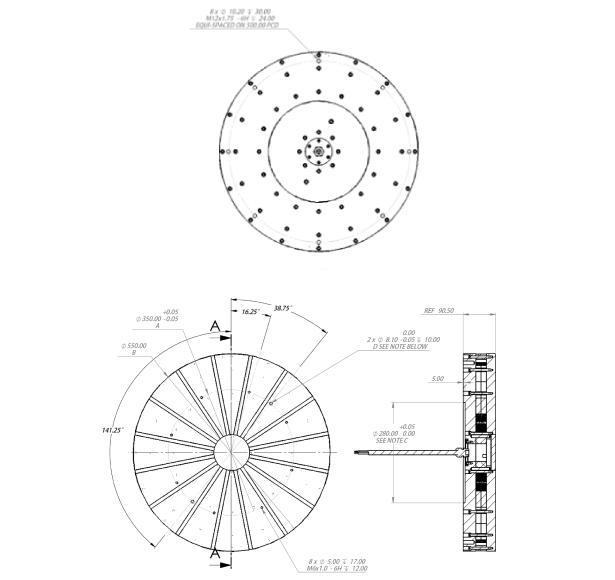
Large rings need suitable support across their contact surfaces. Matching the chuck's working diameter and locating features helps position the workpiece without obstructing the required turning area.
Thin walls are sensitive to uneven support and concentrated holding forces. A suitable magnetic contact arrangement with additional support where needed can help limit distortion during finishing operations.
Bolt holes, raised bosses, and recessed surfaces can interrupt magnetic contact. Custom locating features and suitable contact zones help accommodate these geometries while keeping machining surfaces accessible.
A custom magnetic chuck must work with your lathe—not just fit the workpiece. MAGWORK helps review spindle compatibility, operating limits, and practical handling requirements before production, reducing the risk of costly installation problems or unsuitable configurations.
Confirm spindle connections, locating diameters, and centering requirements to ensure the proposed chuck fits your machine and workpiece.
Review workpiece weight, spindle orientation, required speed, and machine limitations to establish suitable operating requirements.
Define how the workpiece will be positioned, magnetically secured, released, and removed for practical and controlled operation.
The right magnetic chuck can make workpiece handling easier and reduce unnecessary setup complexity.
Manual magnetic switching without continuous power. A practical option for compatible turning setups where straightforward operation and minimal electrical integration are preferred.
Electrically controlled holding with adjustable magnetic force on suitable systems, offering flexibility when workpiece requirements change between operations.
Switch magnetic holding with electrical pulses while maintaining the magnetic state without continuous power, offering convenient control for compatible production setups.
Whether you need simple manual operation, adjustable magnetic control, or electrically switched holding, MAGWORK helps you select a suitable configuration for your turning workflow.
Acceptance for turning of ferromagnetic circular parts should address the installed setup, not just a nominal pull-off figure. In particular, check runout, mounting, balance and permitted operating speed. Record the actual test conditions and compare them with the agreed application limits.
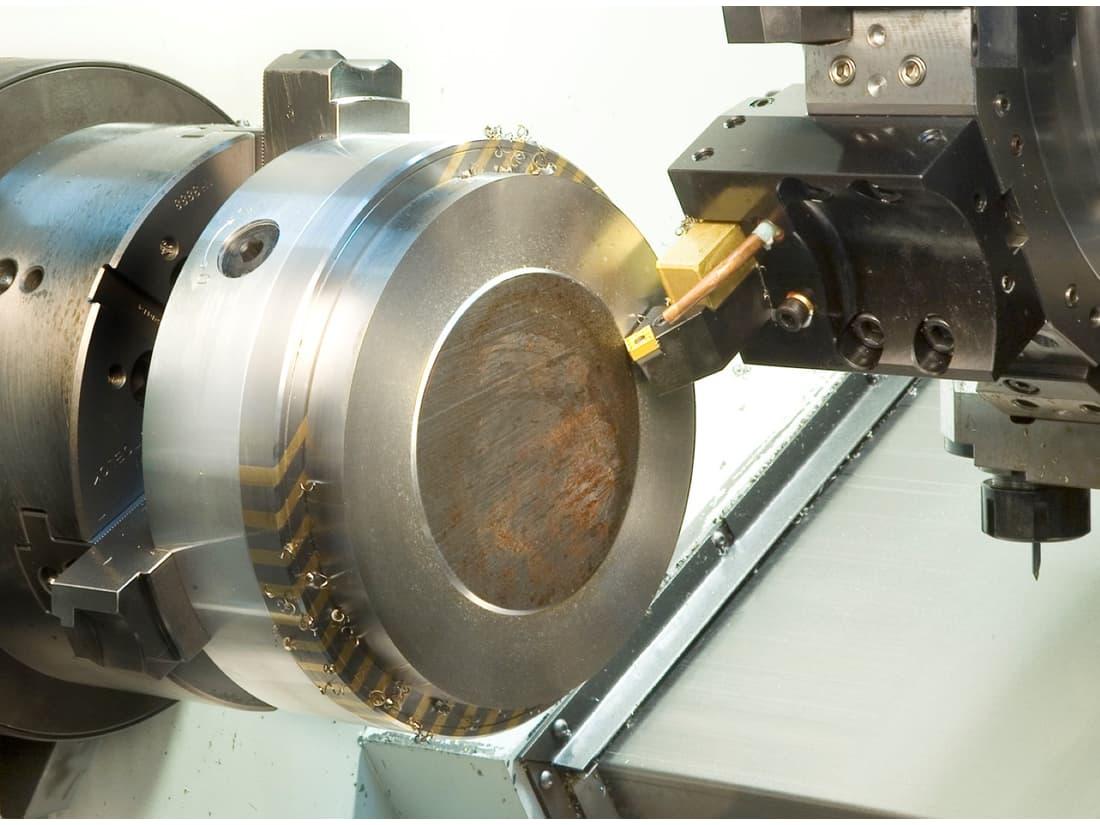
Do not infer permitted spindle speed or safe retention from nominal magnetic force.
Fit, concentric location and interfaces
Magnetic contact and holding performance under specified conditions.
Approved speed limits, balance, and operating requirements.
Magnetic switching, workpiece release, and residual magnetism.
Custom magnetic workholding shouldn't mean complicated sourcing or endless technical follow-ups. MAGWORK coordinates engineering communication, production progress, and delivery through one point of contact, helping you turn your turning requirements into a practical magnetic chuck solution.
Share workpiece drawings, lathe details, and turning requirements.
Assess application feasibility and suitable magnetic workholding options.
Receive a recommended circular magnetic chuck configuration.
Confirm dimensions, spindle interfaces, and agreed specifications.
Arrange materials and components for the approved design.
Coordinate manufacturing, assembly, and agreed functional checks.
Protective packaging, export documentation, and delivery coordination.
Assistance with installation, operation, and product-related questions.
Explore common questions about custom magnetic chucks for turning, circular workpiece holding, lathe compatibility, and application-specific magnetic workholding solutions.
A magnetic lathe chuck holds suitable ferromagnetic workpieces during turning operations. It can provide access to machining surfaces that conventional jaws may obstruct, but the chuck must be specifically rated for rotational use and evaluated against the actual machining loads.
Yes. MAGWORK can help develop custom magnetic chucks with special diameters, pole arrangements, centering features, and spindle mounting interfaces based on your lathe model, workpiece geometry, and turning requirements.
Magnetic holding can reduce concentrated jaw pressure, but thin-walled rings may still deform due to uneven contact or machining forces. Suitable support and locating features help minimize distortion during turning.
A magnetic chuck must be specifically designed and verified for the intended rotational conditions. Chuck speed limits, workpiece mass, balance, and mechanical retention should be reviewed before use.
Yes, where the material and contact conditions are suitable. Custom circular magnetic chucks can accommodate large rings, but holding capacity, workpiece balance, and spindle compatibility require application-specific evaluation.
For suitable circular parts, magnetic holding may reduce the need for jaws across the machining face, allowing better cutter access. The actual benefit depends on the workpiece geometry and fixture arrangement.
Neither is universally better. Permanent chucks offer manual magnetic switching, while electro-permanent systems provide electrical switching without continuous holding current. Both require a rotationally rated design for turning applications.
Yes, subject to technical evaluation. Custom adapter plates, locating features, and mounting interfaces can be considered to match your spindle configuration without unnecessary machine modifications.
Share your workpiece drawing, material, diameter, weight, lathe model, spindle details, required speed, and machining operations. MAGWORK can use this information to evaluate suitable magnetic workholding options.
Ask about a fixture for turning of ferromagnetic circular parts by sharing a representative workpiece and its most demanding machining condition. We can discuss whether magnetic workholding is practical before defining a specific design.