FAQs About Magnetic Chucks in Automotive Manufacturing
Learn how magnetic chucks support automotive tooling, fixture plate machining, and precision steel component production.
Can magnetic chucks be used for automotive die and mold machining?
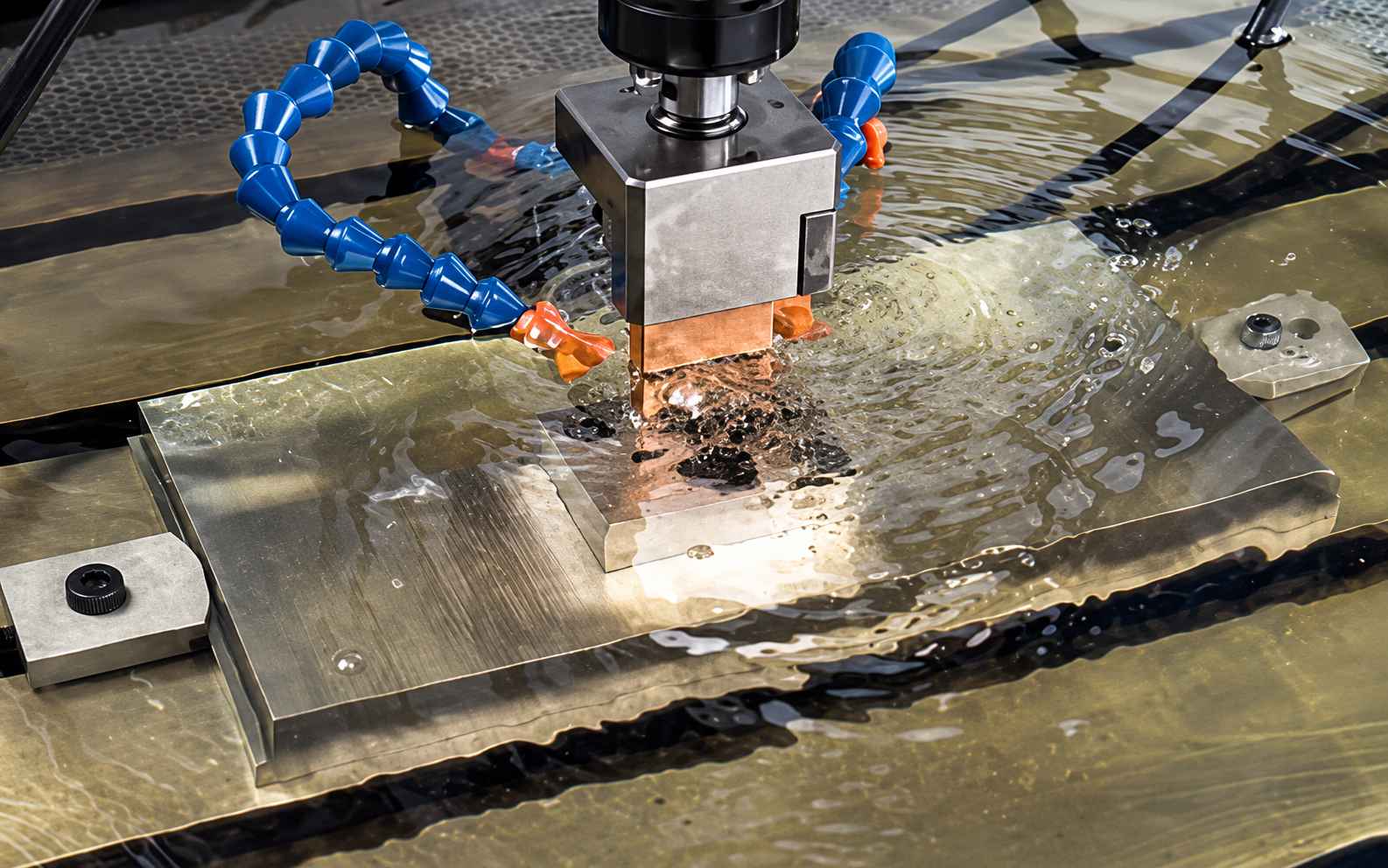
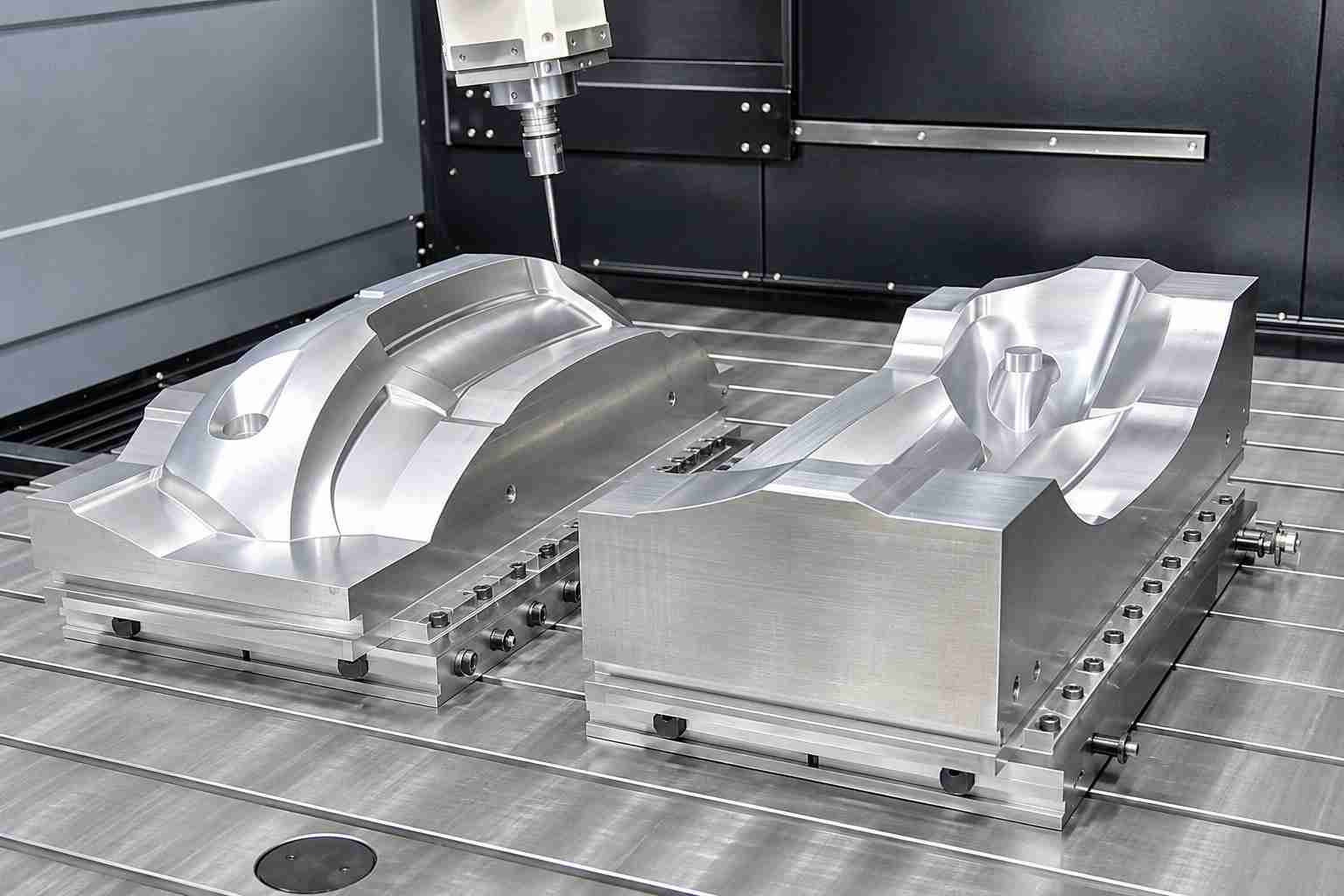
Yes, magnetic chucks can hold suitable ferromagnetic tool steel components during automotive die and mold machining. Hardened steel inserts, die blocks, and mold components may be suitable for magnetic workholding when sufficient contact area is available.
For EDM applications, the chuck must also be compatible with the machine setup, dielectric fluid, and electrical requirements.
Which magnetic chuck is suitable for automotive fixture plate milling?
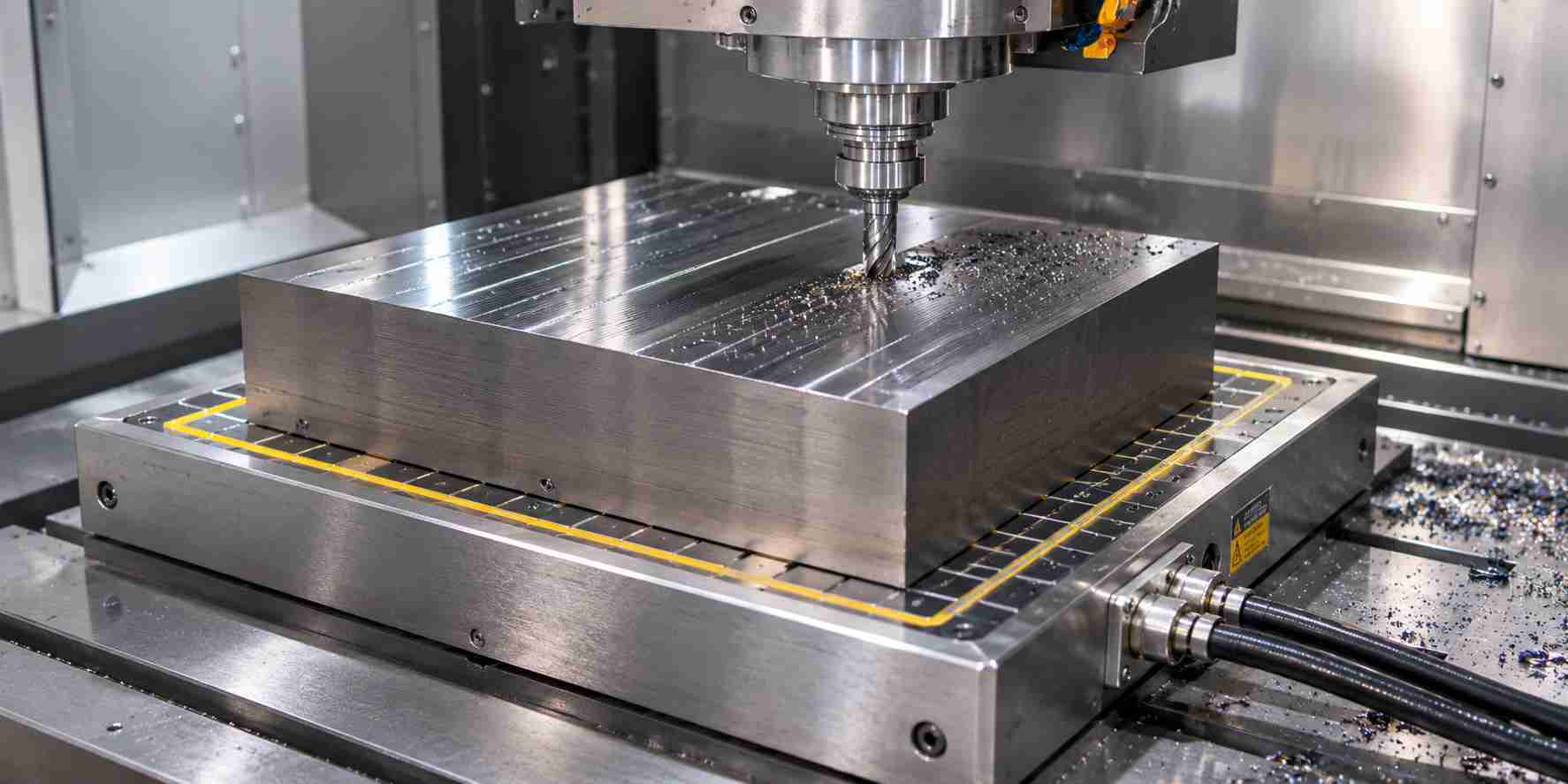
An electro-permanent magnetic chuck is suitable for milling compatible ferromagnetic automotive fixture plates. It holds steel workpieces from underneath, keeping the upper working surface accessible for milling and drilling.
Chuck dimensions, magnetic pole layout, workpiece thickness, and cutting forces should be evaluated before selecting a configuration.
Can magnetic chucks be used for turning automotive steel components?
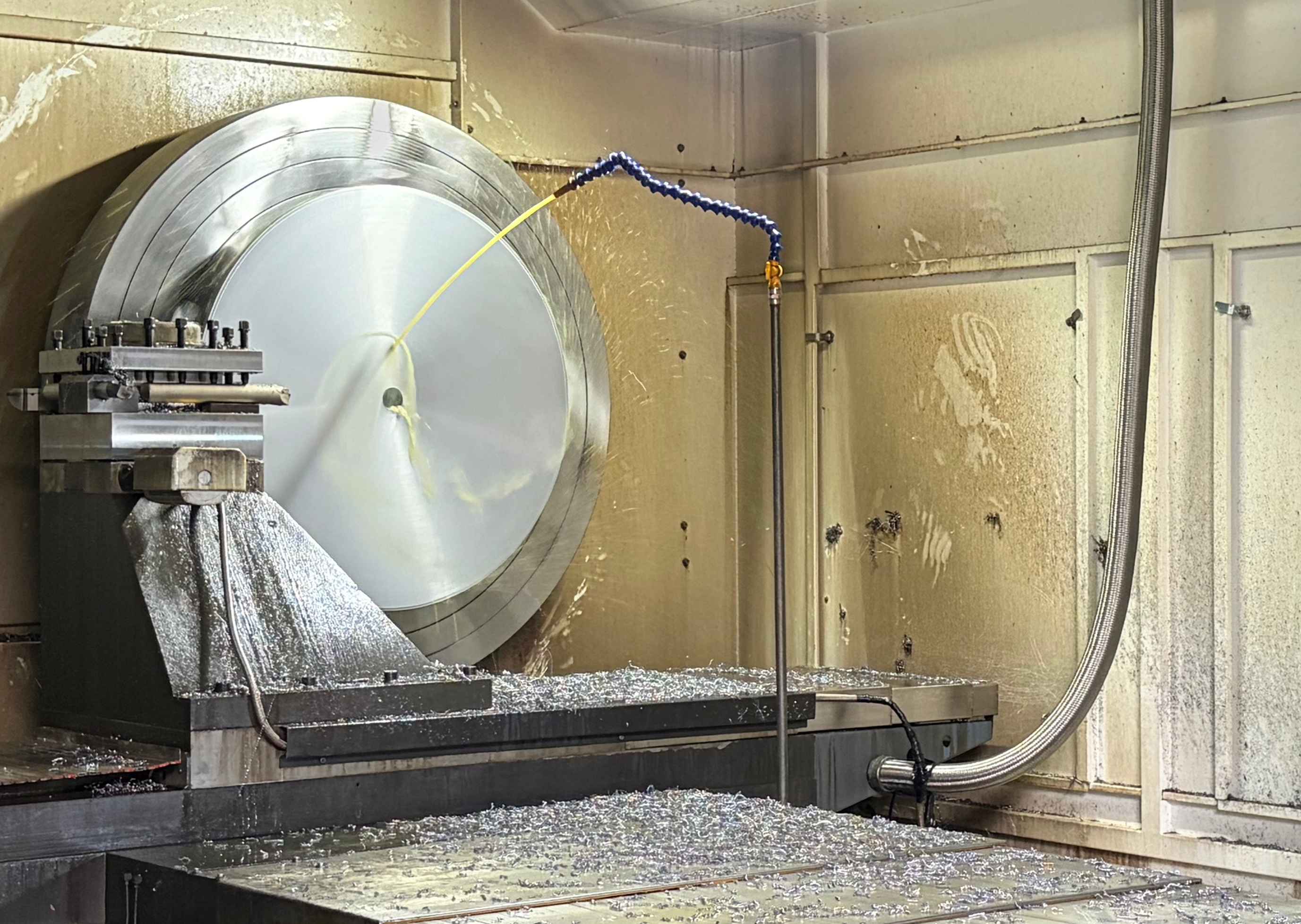
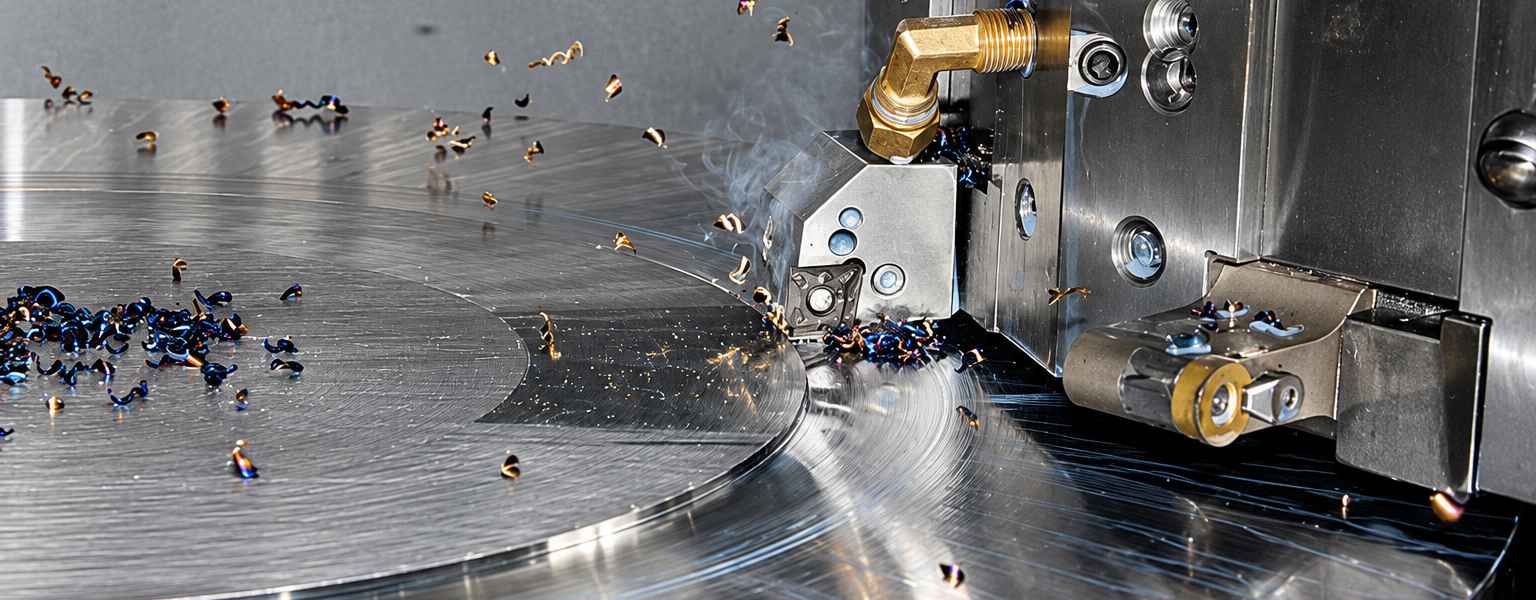
Yes, specially designed circular magnetic chucks can hold suitable ferromagnetic automotive rings and gear blanks during turning. They can provide access to exposed faces and bores for machining.
The chuck must be designed and rated for rotary operation, with spindle speed, centrifugal forces, cutting torque, and workpiece retention carefully verified.
Can magnetic chucks hold multiple automotive components at once?
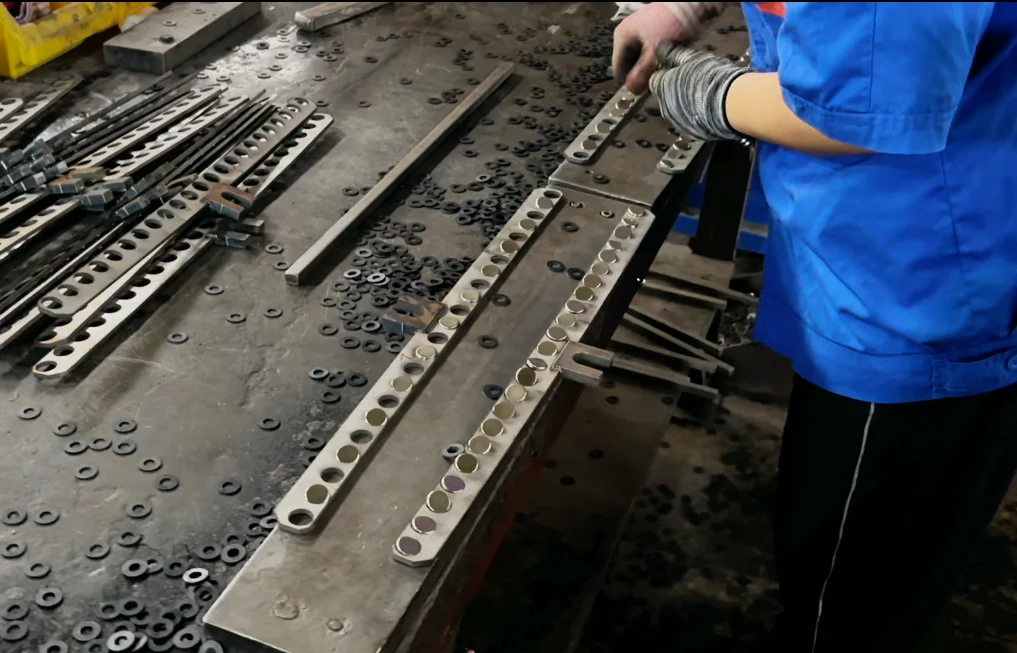
Yes, multiple suitable steel components can be held on a magnetic chuck for batch machining. This can reduce individual setup operations and improve access to machining surfaces.
The magnetic pole arrangement, contact area, component spacing, and cutting loads must be checked to ensure stable holding across all workpieces.
Can MAGWORK customize magnetic chucks for automotive manufacturing?
Yes, MAGWORK provides customized magnetic chuck solutions for automotive tooling and component manufacturing. Customization options include chuck dimensions, magnetic pole configurations, working surfaces, mounting interfaces, and electrical connections.
You can share your workpiece drawings and machine specifications with our team to discuss a suitable configuration.
What information is needed to select a magnetic chuck for automotive applications?
You should provide your workpiece drawings, material grade, dimensions, machine model, and machining process. These details help determine the appropriate magnetic chuck type and configuration.
For milling, include cutting conditions and workpiece contact area. For turning, provide spindle speed and workpiece geometry. For EDM, include machine and dielectric requirements.
What warranty and after-sales support does MAGWORK provide?
MAGWORK provides a two-year warranty for magnetic chucks. If quality or performance issues arise during the warranty period, our technical team helps identify the cause and provide appropriate support.
Depending on the issue and warranty terms, assistance may include troubleshooting guidance, repair arrangements, or replacement parts.