Electromagnetic Chucks Precision Holding Controlled by Power

Find Your Configuration

Find the Right Electromagnetic Chuck for Your Application

Filter catalog models by workpiece footprint and pole pitch, then check electrical ratings.

MATCHED CATALOG MODELS01 / 03

Select your conditions

Catalog models matching your dimensions will appear here.

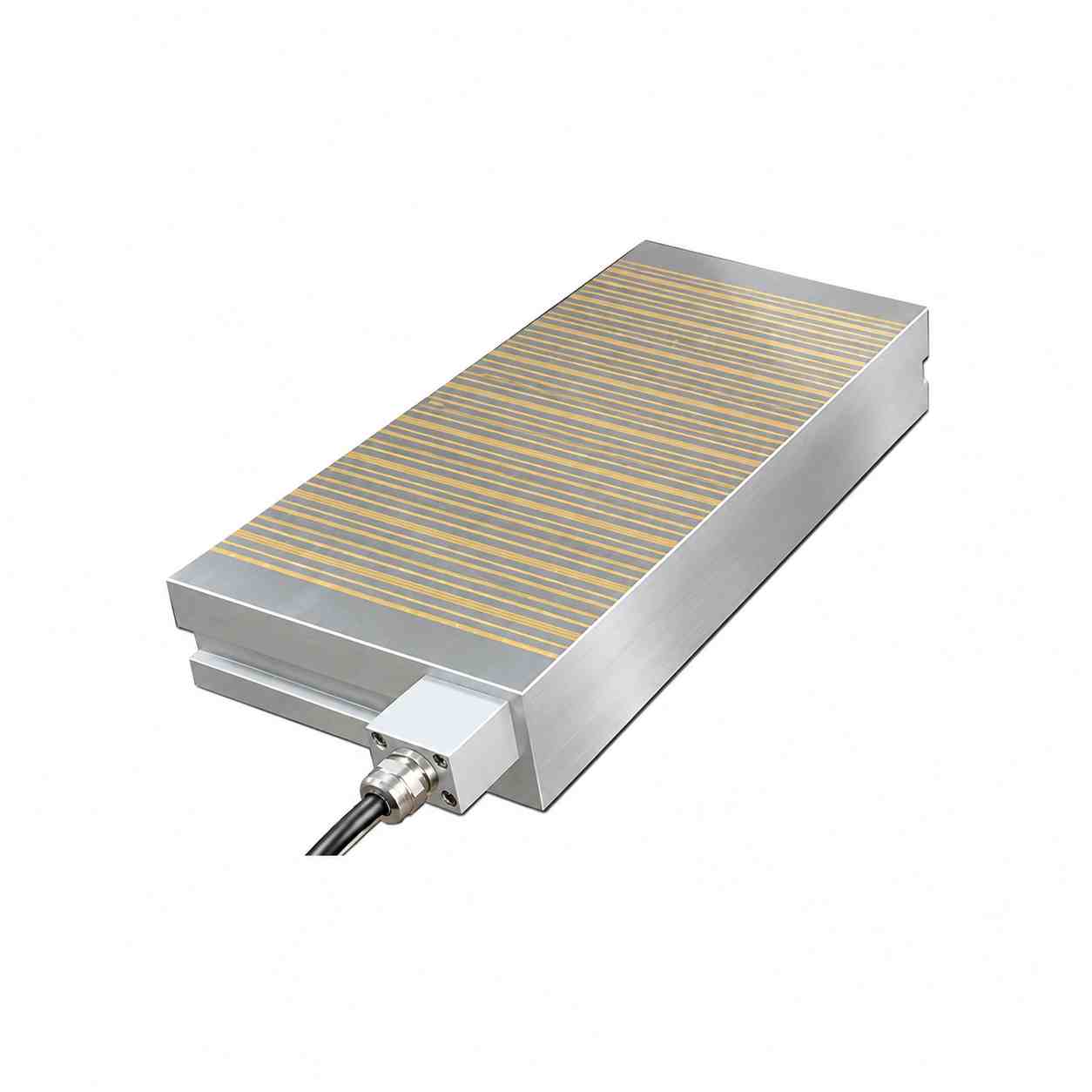
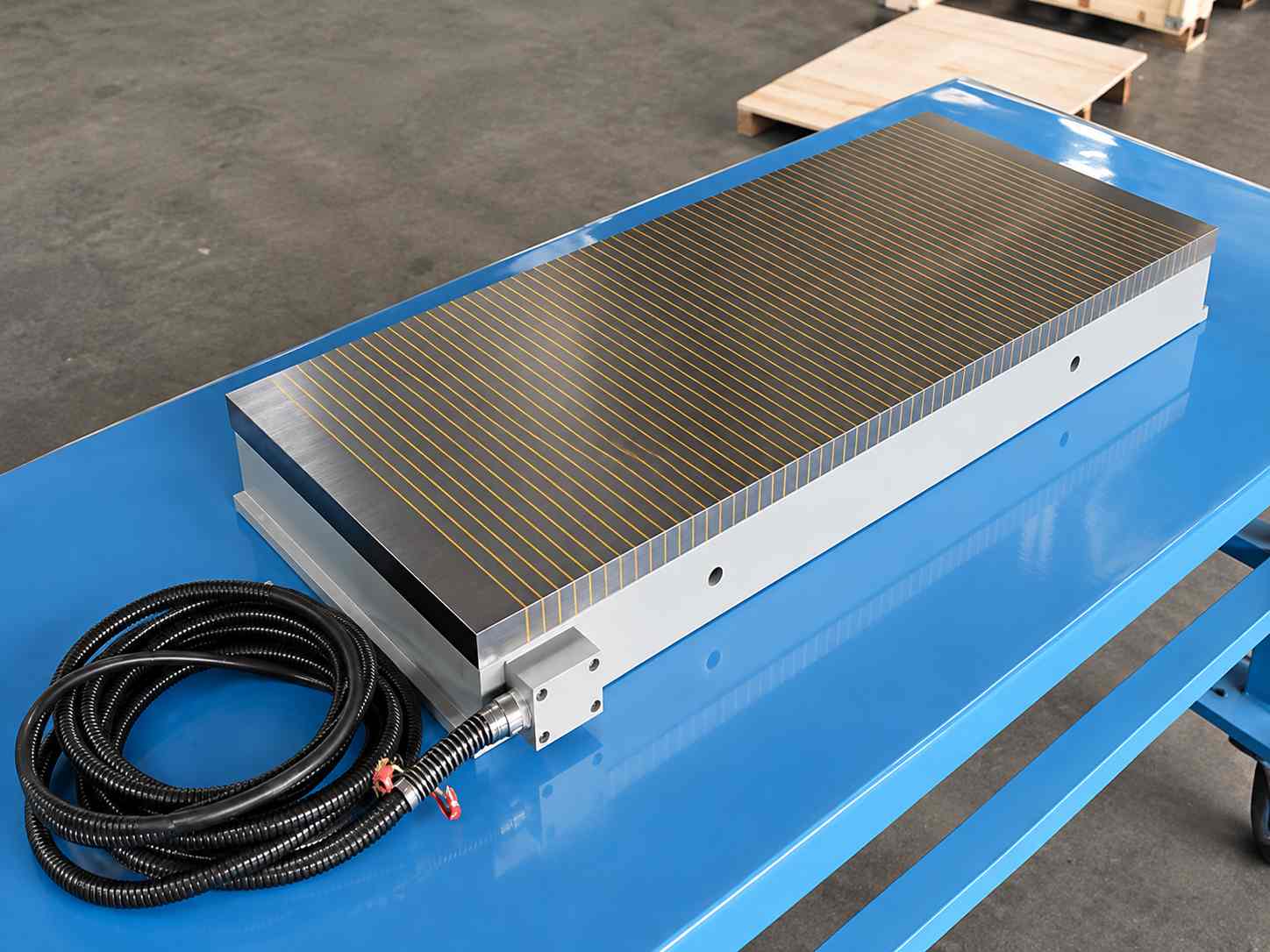
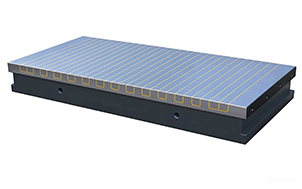
Representative electromagnetic chuck image from the supplied catalog
Series reference image — not an individual model photograph.CATALOG MATCH / PRELIMINARY

    Preliminary candidates only. Verify magnetic contact, power supply, current, operating duty, temperature rise and mounting before use.

    Electromagnetic Configurations

    Catalog-listed product families · specifications subject to project confirmation
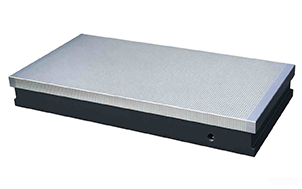
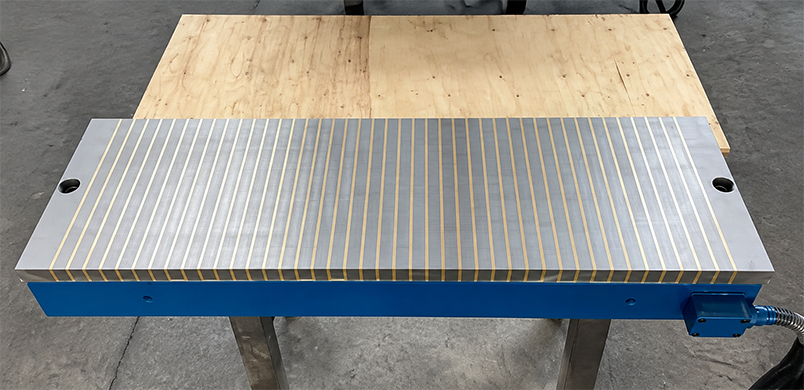
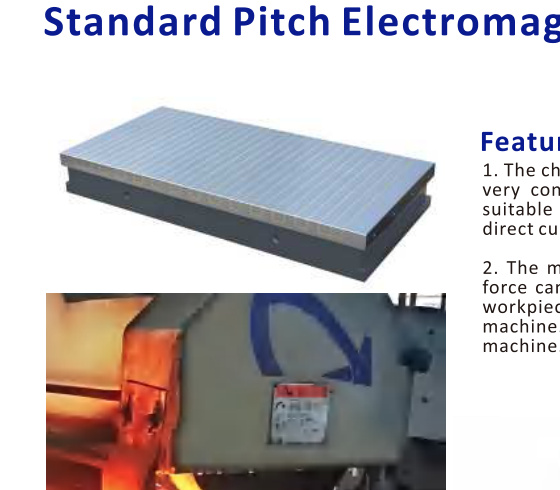
    Standard Pitch Electromagnetic Chuck

    Standard Pitch Electromagnetic Chuck

    Pole Layout: Standard rectangular pole configuration
    Length: 200–630 mm
    Width: 460–1250 mm
    Height: 95–115 mm
    Net Weight: 54–460 kg
    Pole Pitch: 18+4 mm
    Workpiece Geometry: Flat steel plates and medium to large steel workpieces
    Pole Style: Standard pole
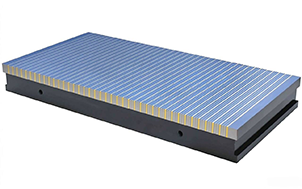
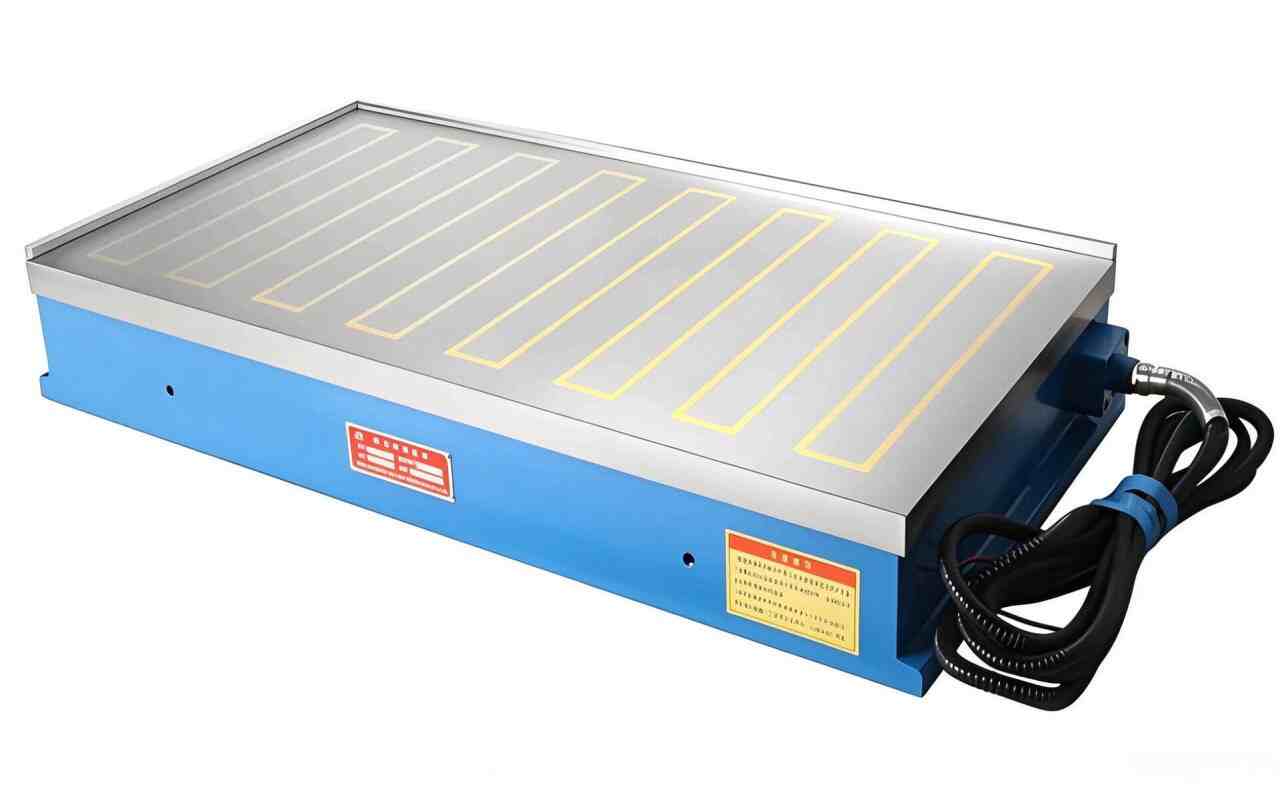
    Fine Pitch Electromagnetic Chuck

    Fine Pitch Electromagnetic Chuck

    Pole Layout: Fine-pole segmented configuration
    Length: 150–2000 mm
    Width: 400–4200 mm
    Height: 85 mm
    Net Weight: 40–4400 kg
    Pole Pitch: 3+5+0.5+5+0.5+5 mm
    Workpiece Geometry: Small and large flat steel plates, thin steel components
    Pole Style: Fine pole

    Micro Pitch Electromagnetic Chuck

    Micro Pitch Electromagnetic Chuck

    Pole Layout: Fine segmented pole configuration
    Length: 150–600 mm
    Width: 300–1200 mm
    Height: 90 mm
    Net Weight: 37–310 kg
    Pole Pitch: 1+3 mm / 0.5+1.5 mm
    Workpiece Geometry: Small flat steel plates, thin steel components
    Pole Style: Micro pitch / Fine pitch

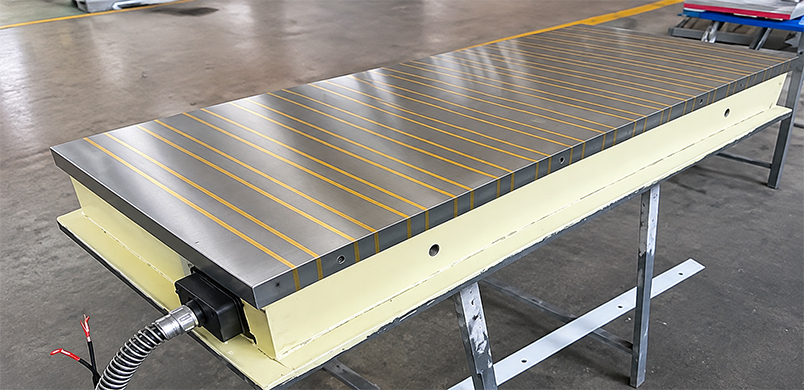
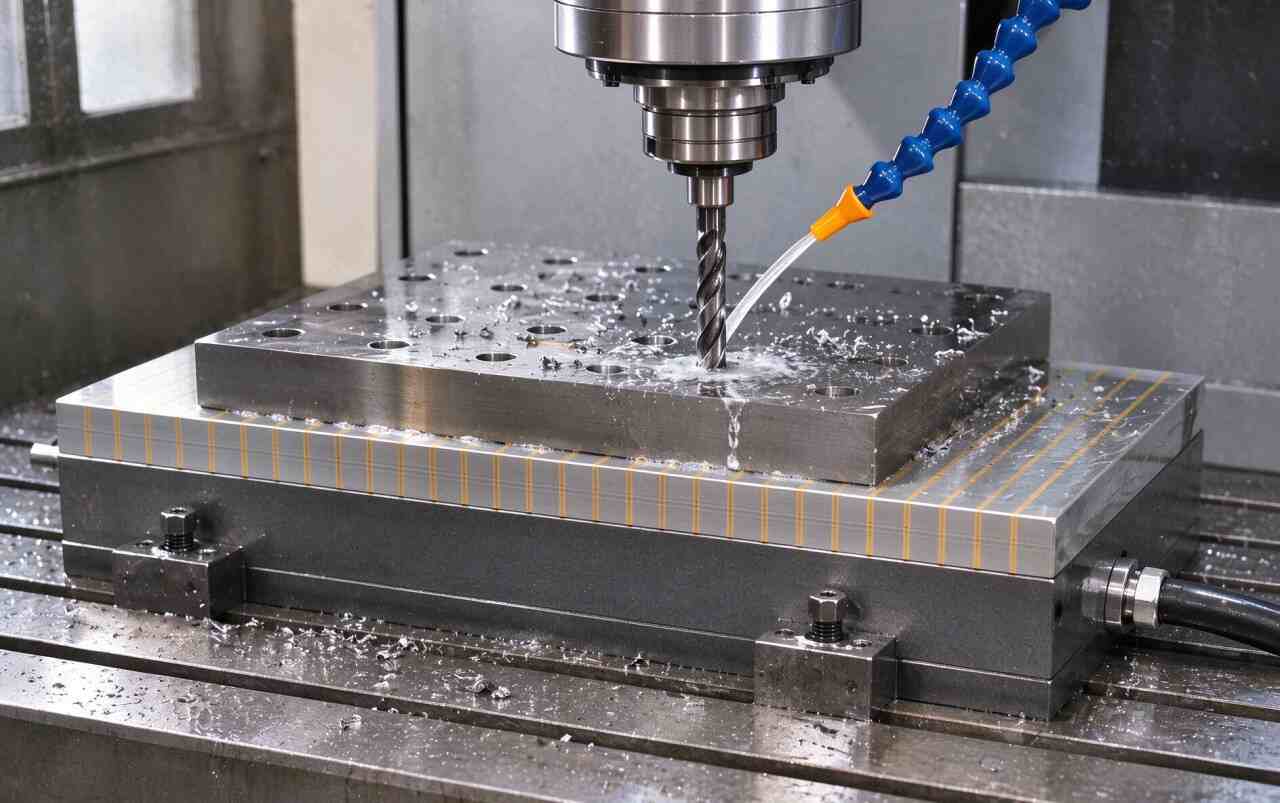
    Electromagnetic Milling Chuck

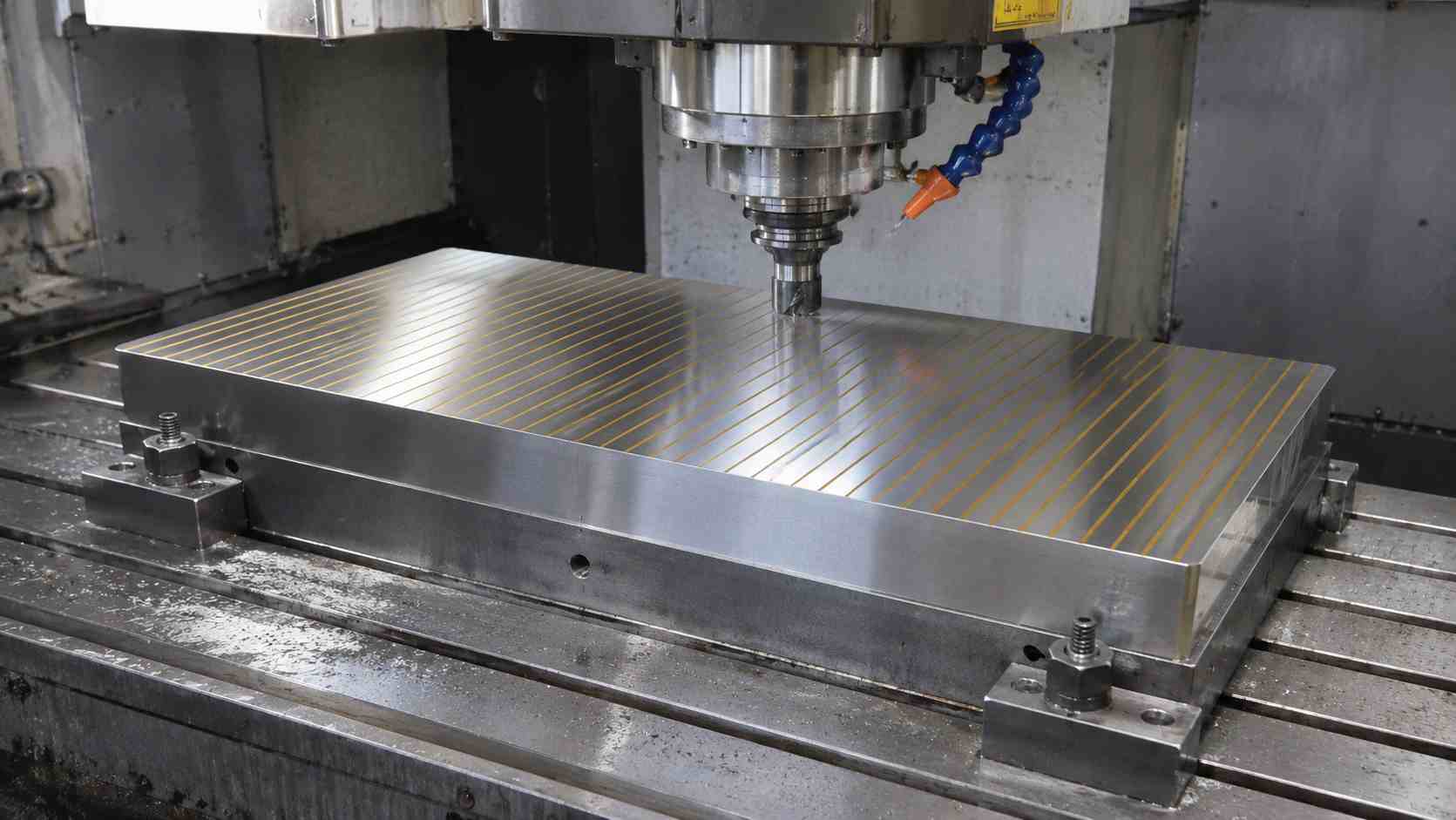
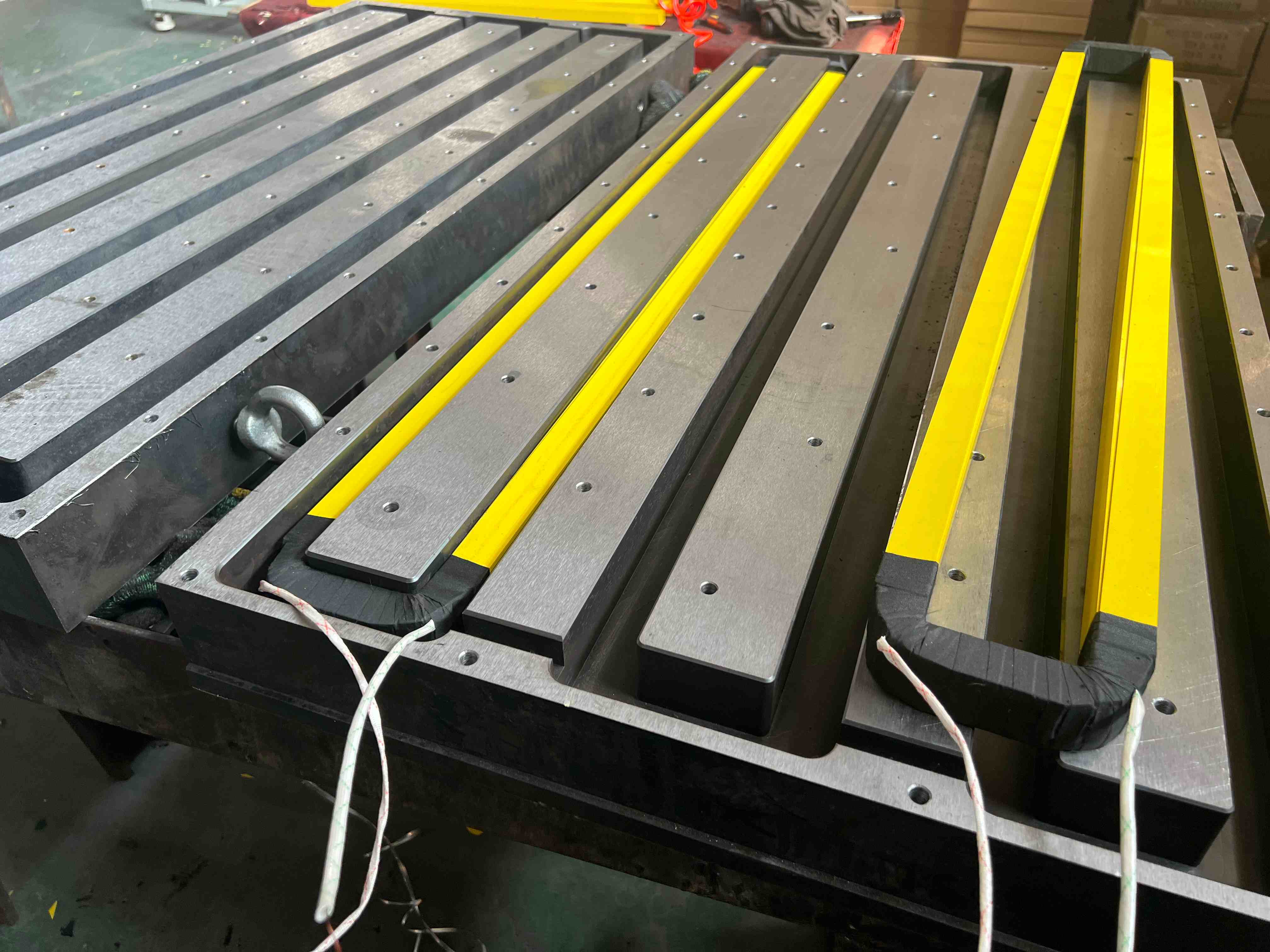
    Electromagnetic Clamping Chuck for Milling Machine

    Pole Layout: Machine-specific segmented pole configuration
    Length: 300–800 mm (Dimension A)
    Width: 680–2000 mm (Dimension B)
    Height: 120–146 mm (Dimension h)
    Net Weight: 189–750 kg
    Pole Pitch: Machine-specific pole arrangement
    Workpiece Geometry: Large flat steel plates, blocks, and milling workpieces
    Pole Style: Segmented rectangular poles
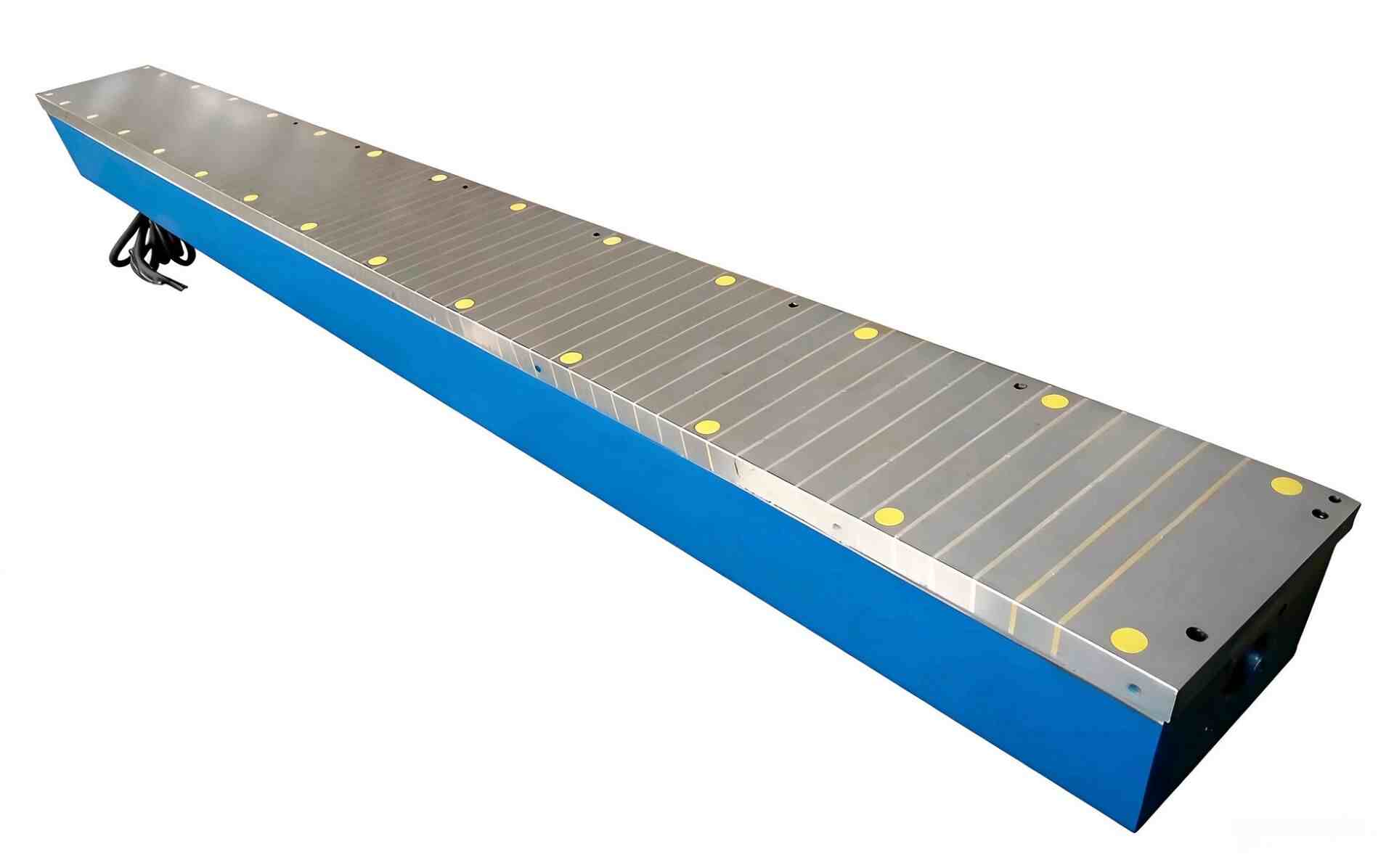
    Special Electromagnetic Grinding Chuck

    Special Electromagnetic Chuck for Grinding Machine

    Pole Layout: Long rectangular segmented pole configuration
    Length: 1000–2270 mm
    Width: 160–200 mm
    Height: 150–200 mm
    Net Weight: 200–450 kg
    Pole Pitch: Not specified in brochure
    Workpiece Geometry: Long and narrow steel workpieces, cutting tools, and elongated components
    Pole Style: Long rectangular magnetic poles

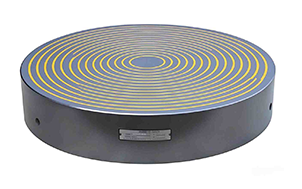
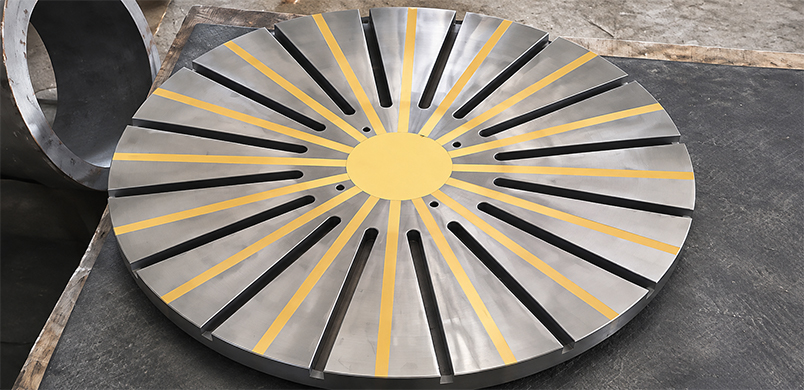
    Round Electromagnetic Chuck

    Round Electromagnetic Chuck with Concentric Poles

    Pole Layout: Concentric circular pole configuration
    Length: 300–1000 mm (Diameter D1)
    Width: Round chuck
    Height: 90–105 mm
    Net Weight: 42–577 kg
    Pole Pitch: 3+6 mm
    Workpiece Geometry: Disc-shaped steel workpieces and circular components
    Pole Style: Concentric circular poles

    YOUR CURRENT STARTING POINTCustom design is always available

    Share your drawing if none of these starting configurations fits your machine or part.

    Catalog dimensions provide preliminary candidates only. Contact area, material grade, machining loads and mounting require engineering verification before use.
    How Does an Electromagnetic Chuck Work

    How Does an Electromagnetic Chuck Work?

    An electromagnetic chuck uses internal coils to generate a magnetic field when supplied with DC power. The magnetic field passes through the pole face and workpiece, creating the holding force needed for machining.

    When the power is switched off, the magnetic field decreases and the workpiece can be released. A compatible controller can also provide a demagnetization cycle to reduce residual magnetism.

    01Electrical ControlA DC power supply energizes the internal coils to generate magnetic holding force.
    02Coil Temperature & Duty CycleContinuous current generates heat. Proper temperature control and rated operating conditions help maintain stable performance.
    03Demagnetization & ReleaseThe controller manages the demagnetization cycle to reduce residual magnetism and help release the workpiece.

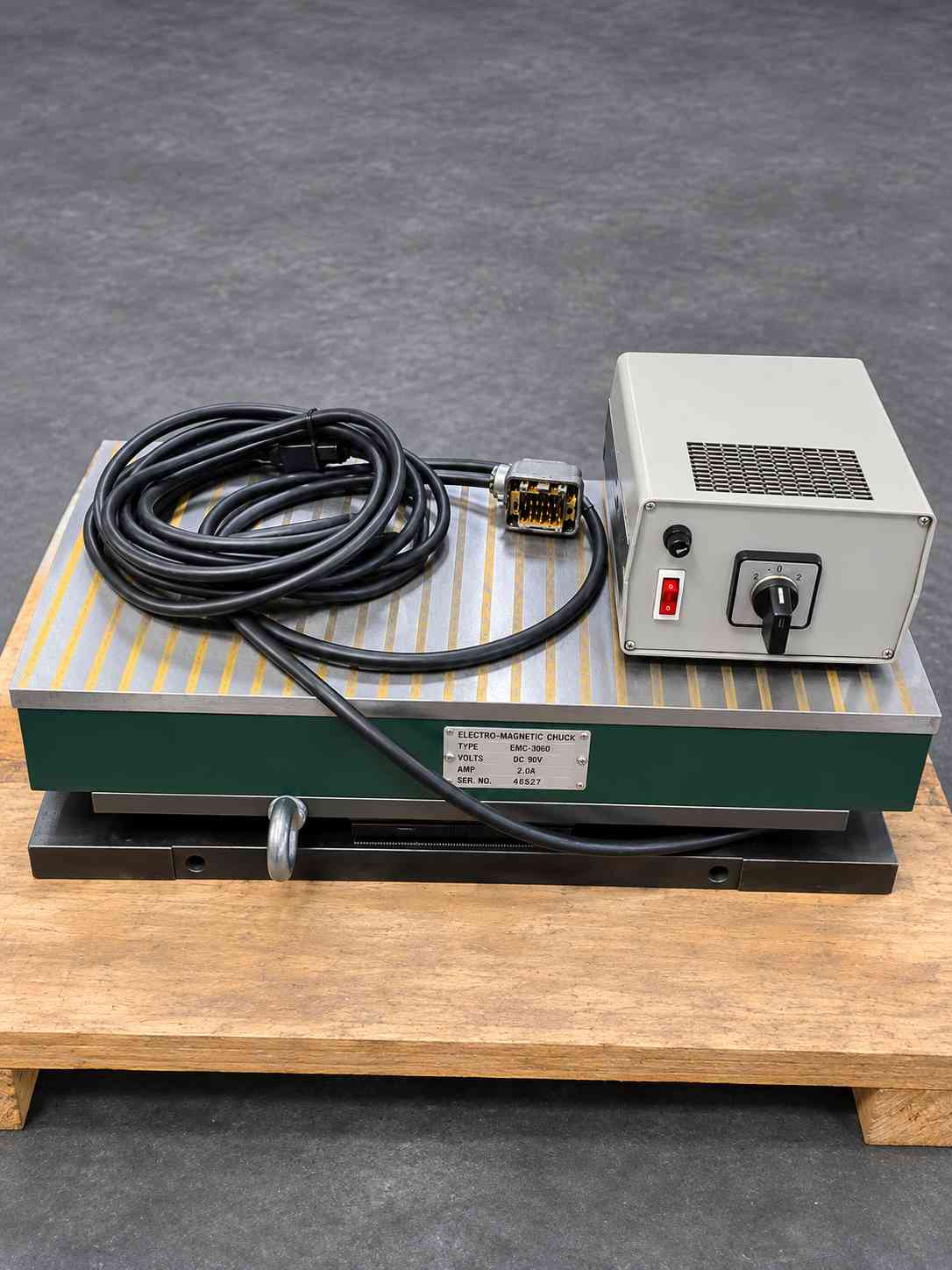
    Electromagnetic Chuck Power & Control

    Proper power supply, temperature management, and safety controls are essential for stable electromagnetic chuck performance. Check your machine's electrical specifications and operating conditions before selecting a chuck.

    01 / SUPPLYVoltage & current

    Match the DC power supply and controller to the electromagnetic chuck's rated voltage and current.

    02 / DUTYCoil Heating

    Monitor coil temperature and duty cycle to prevent overheating during continuous operation.

    03 / SAFETYPower-Loss Protection

    Plan for power interruptions, as electromagnetic chucks lose holding force when the power supply fails.

    Electromagnetic Chuck Power & Control
    Custom Electromagnetic Chuck Engineering

    Custom Electromagnetic Chuck Engineering

    We provide OEM/ODM electromagnetic chuck solutions tailored to your workpiece, machine, and operating requirements. From pole configuration to electrical control, each design is developed for your specific application.

    01Custom Pole DesignOptimize pole pitch and working surface for your workpiece size and material.
    02Coil & Electrical ControlMatch coil specifications, voltage, current, and controller compatibility.
    03Thermal ManagementConsider coil heating, duty cycle, and operating temperature during design.
    04Power-Loss SafetyReview power interruption risks and suitable machine safety measures.

    Electromagnetic Chuck Applications for Precision Grinding

    Explore how electromagnetic chucks support thin steel plates, large workpieces, circular parts, and custom machine tables. Each application requires suitable magnetic holding, electrical control, and workpiece contact.

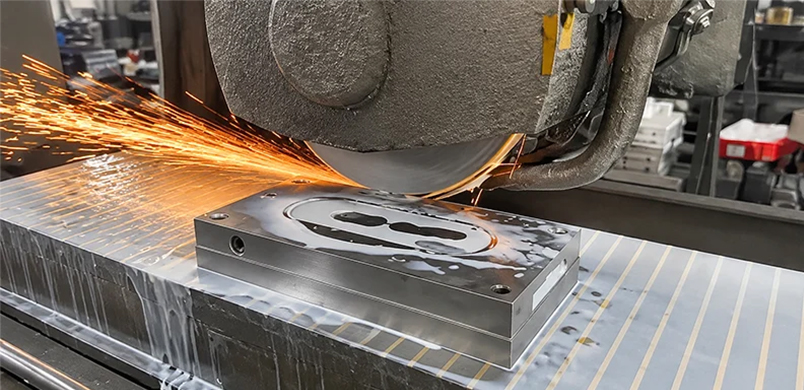
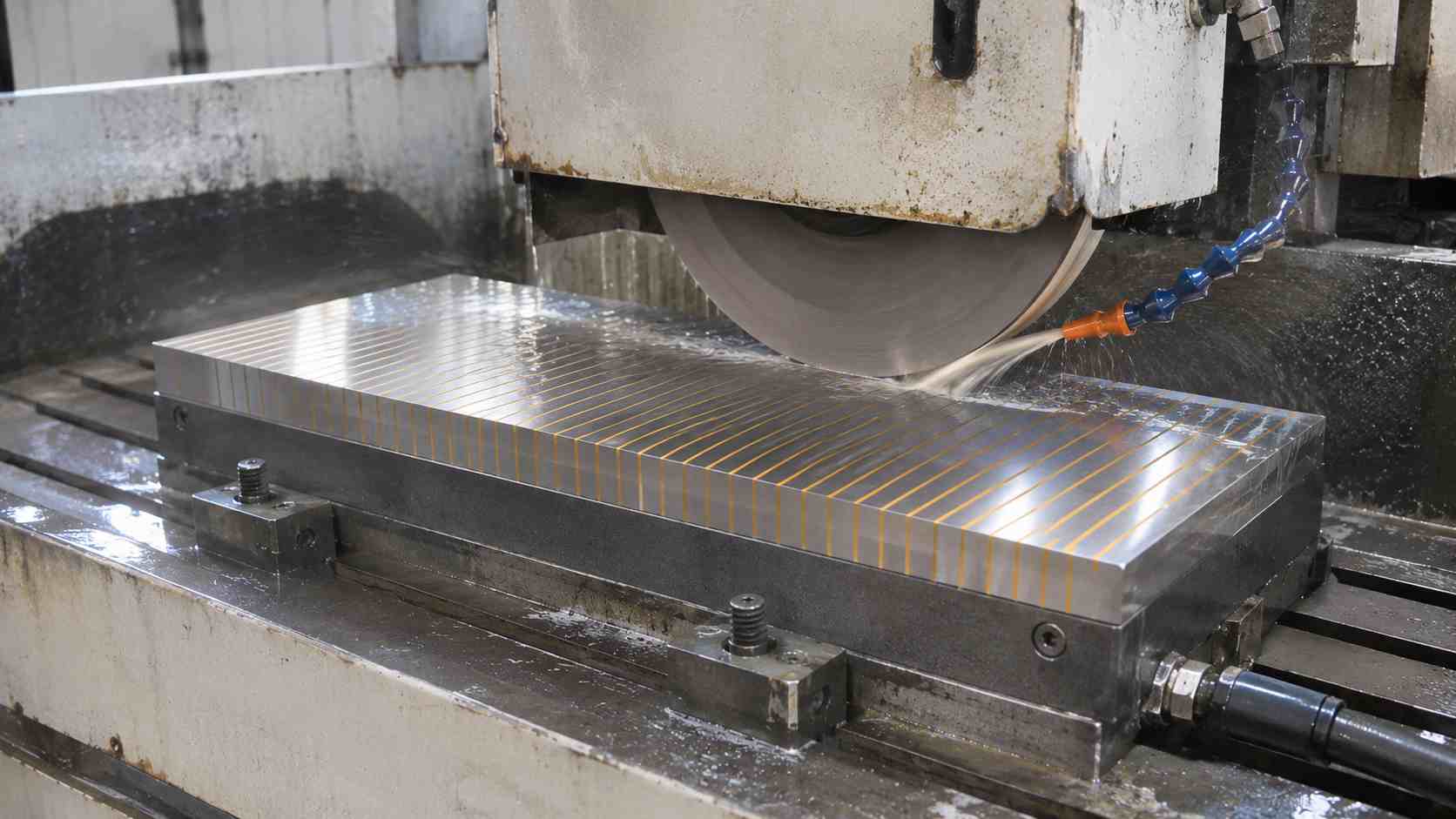
    Application of Precision Surface Grinding with Electromagnetic Chucks
    APPLICATION / PRECISION SURFACE GRINDING

    Thin Steel Plate Holding

    Fine-pole magnetic chucks provide distributed magnetic holding for suitable thin steel plates during precision surface grinding. Proper pole spacing and full contact help reduce uneven holding and workpiece deformation.

    PART TYPEThin steel plates / Precision parts
    MAIN CHALLENGEWorkpiece deformation, holding stability, grinding accuracy
    WHAT TO CHECKPlate thickness, pole pitch, contact area, holding force
    Case scenariosClick a case to update the left display
    Application of Precision Surface Grinding with Electromagnetic ChucksThin Steel Plate HoldingFine-pole magnetic chucks help hold suitable thin steel plates during precision surface grinding, with attention to contact and workpiece deformation.
    Application of Large Flat Components in Electromagnetic ChucksLarge Flat ComponentsLarge magnetic chucks provide a wider holding area for steel plates and long components during surface grinding.
    Application of Electromagnetic Chucks for Disc-Shaped WorkpiecesDisc-Shaped WorkpiecesRound magnetic chucks hold suitable circular steel parts for grinding, with pole layouts matched to workpiece diameter and contact area.
    Application of Non-Standard Machine Tables with Electromagnetic ChucksNon-Standard Machine TablesCustom magnetic chucks can be designed to match special grinding machine dimensions, mounting interfaces, and workpiece requirements.

    Electromagnetic Chuck Manufacturing Process

    From steel plate machining and coil assembly to insulation, sealing, and final inspection, each stage supports reliable electromagnetic chuck production.

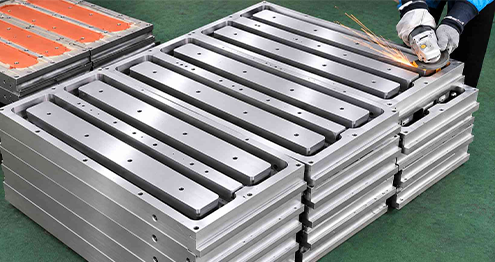
    Steel Plate Cutting
    01

    Steel Plate Cutting

    Cut steel plates to the required dimensions for electromagnetic chuck production.

    Hole Machining
    02

    Hole Machining

    Drill mounting and assembly holes according to the technical drawings.

    Steel Plate Side Milling
    03

    Steel Plate Side Milling

    Mill the steel plate edges to achieve the required dimensions.

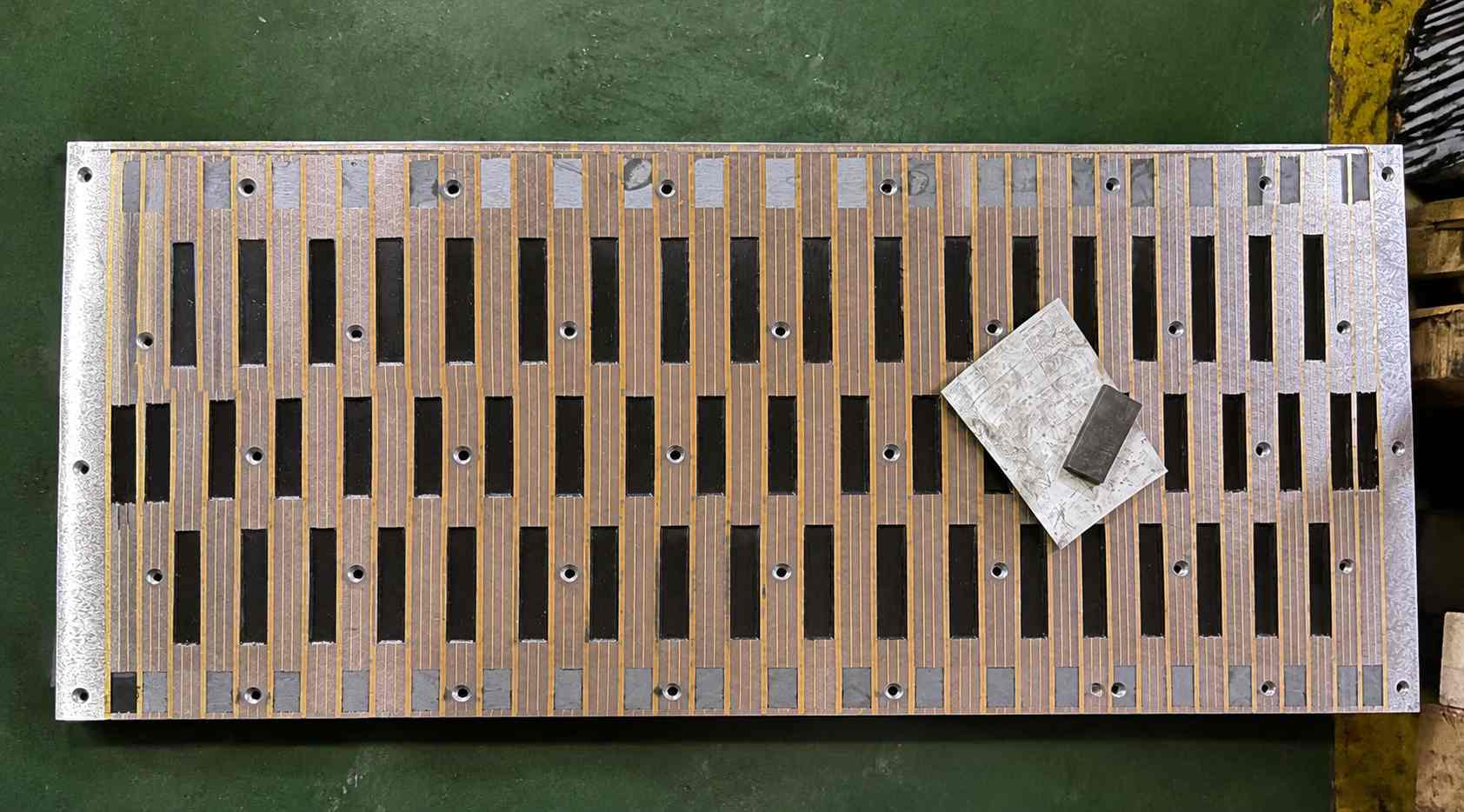
    Coil Slot Machining
    04

    Coil Slot Machining

    Machine coil slots in the steel base according to the magnetic circuit design.

    Coil Winding
    05

    Coil Winding

    Wind copper wire into electromagnetic coils according to electrical specifications.

    Coil Installation
    06

    Coil Installation

    Install the prepared coils into the machined chuck structure.

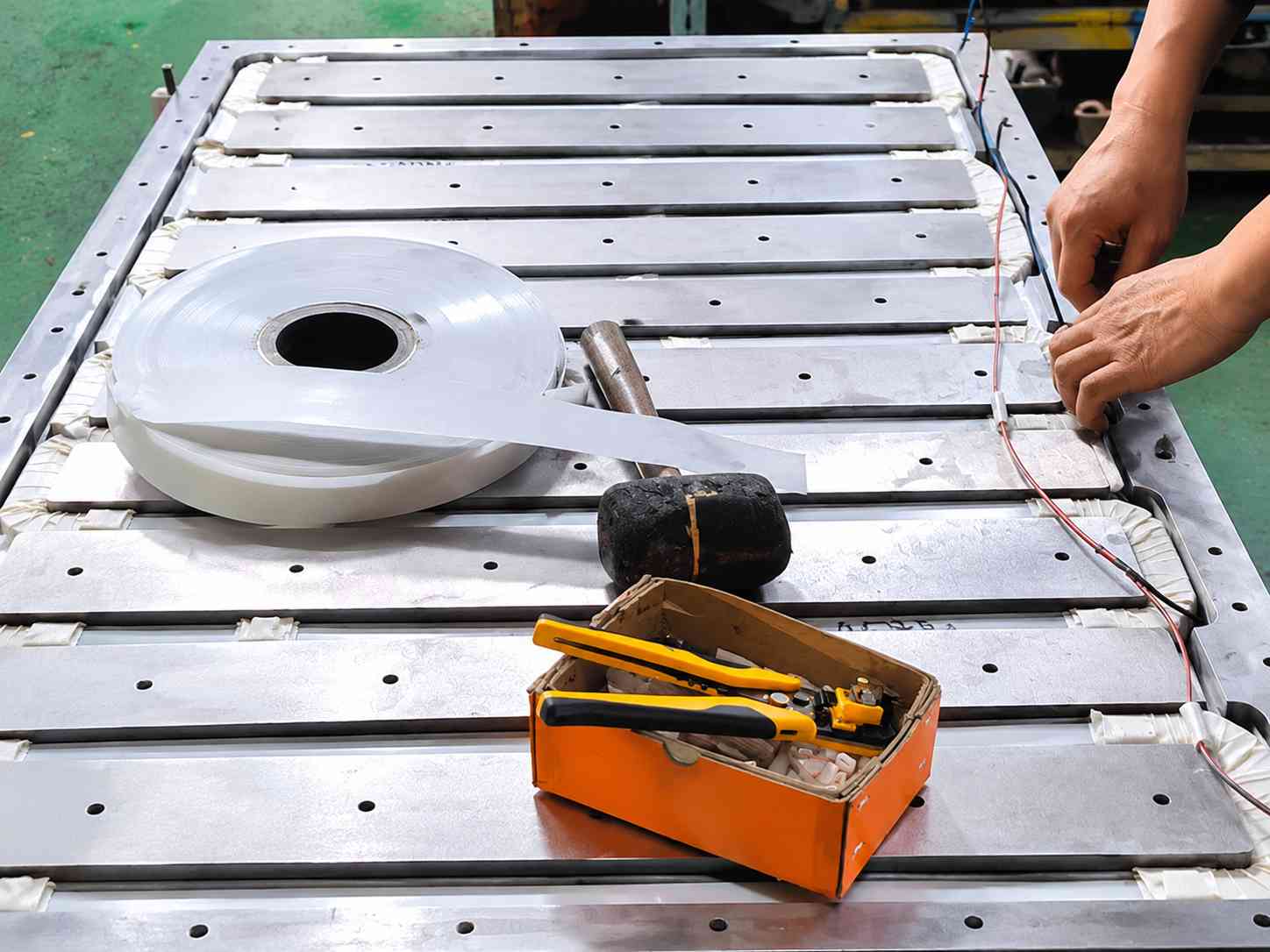
    Potting
    07

    Potting

    Apply insulating potting material to secure and protect the coils.

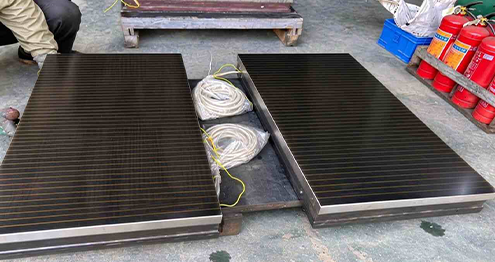
    Final Assembly
    08

    Final Assembly

    Assemble the prepared components into the electromagnetic chuck structure.

    START WITH A DRAWING, EVEN IF YOU HAVE NOT CHOSEN A CHUCK MODEL.
    Electromagnetic Chuck Technical Support

    Electromagnetic Chuck Technical Support

    Our team provides technical support for electromagnetic chuck installation, electrical control, safe operation, and maintenance to help you maintain reliable workholding.

    Electrical Control Support

    Review power supply, voltage, current, and electromagnetic chuck controller compatibility.

    Temperature & Duty Cycle

    Check coil heating, operating temperature, and continuous-duty requirements.

    Electrical Safety Guidance

    Review insulation, grounding, power-loss risks, and safe release procedures.

    Maintenance & Troubleshooting

    Get guidance on routine inspection, electrical checks, and common operating issues.

    Electromagnetic Chuck Manufacturing & Assembly

    Explore our workshop for electromagnetic chuck machining, coil assembly, surface finishing, and quality inspection.

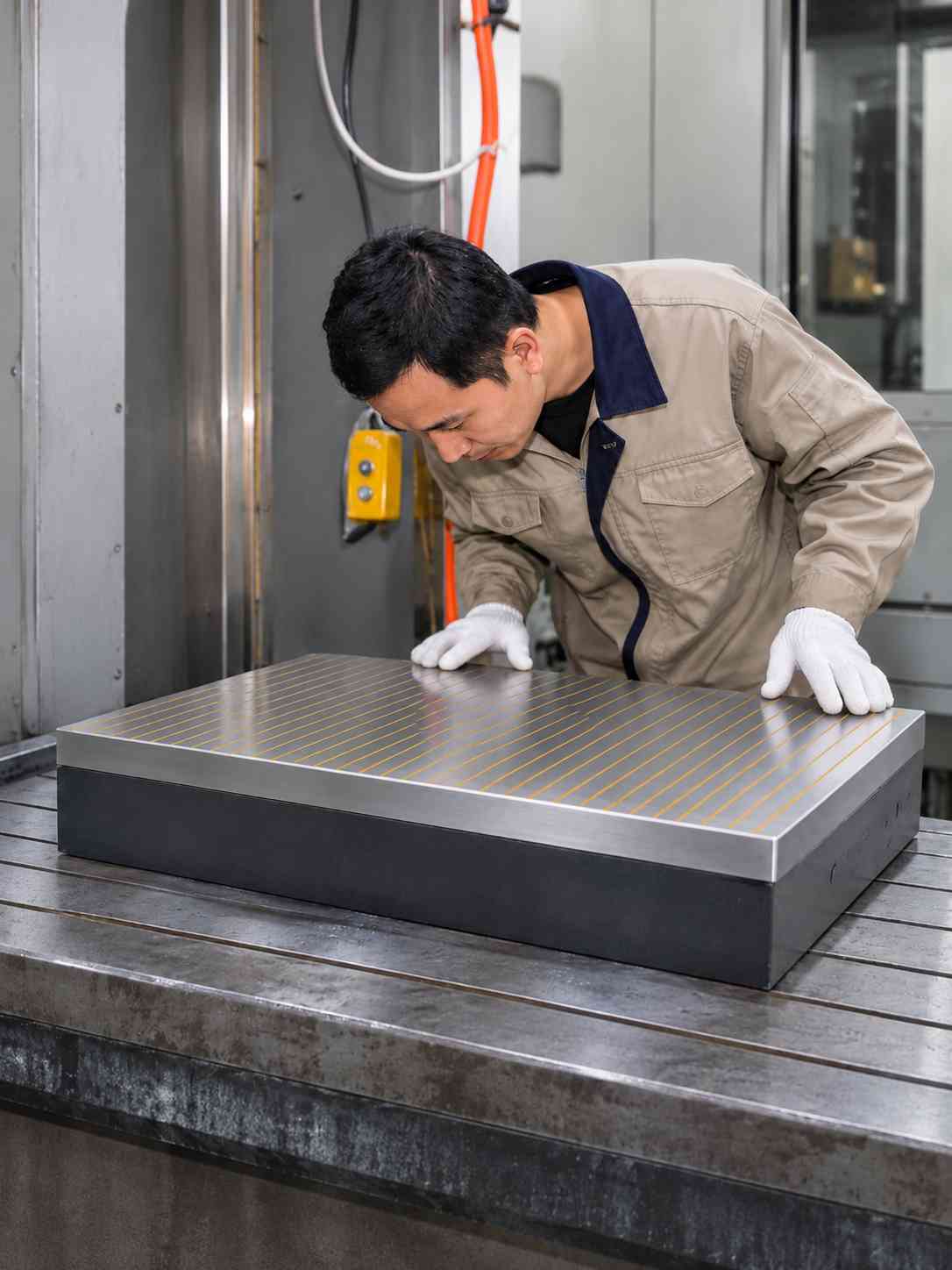
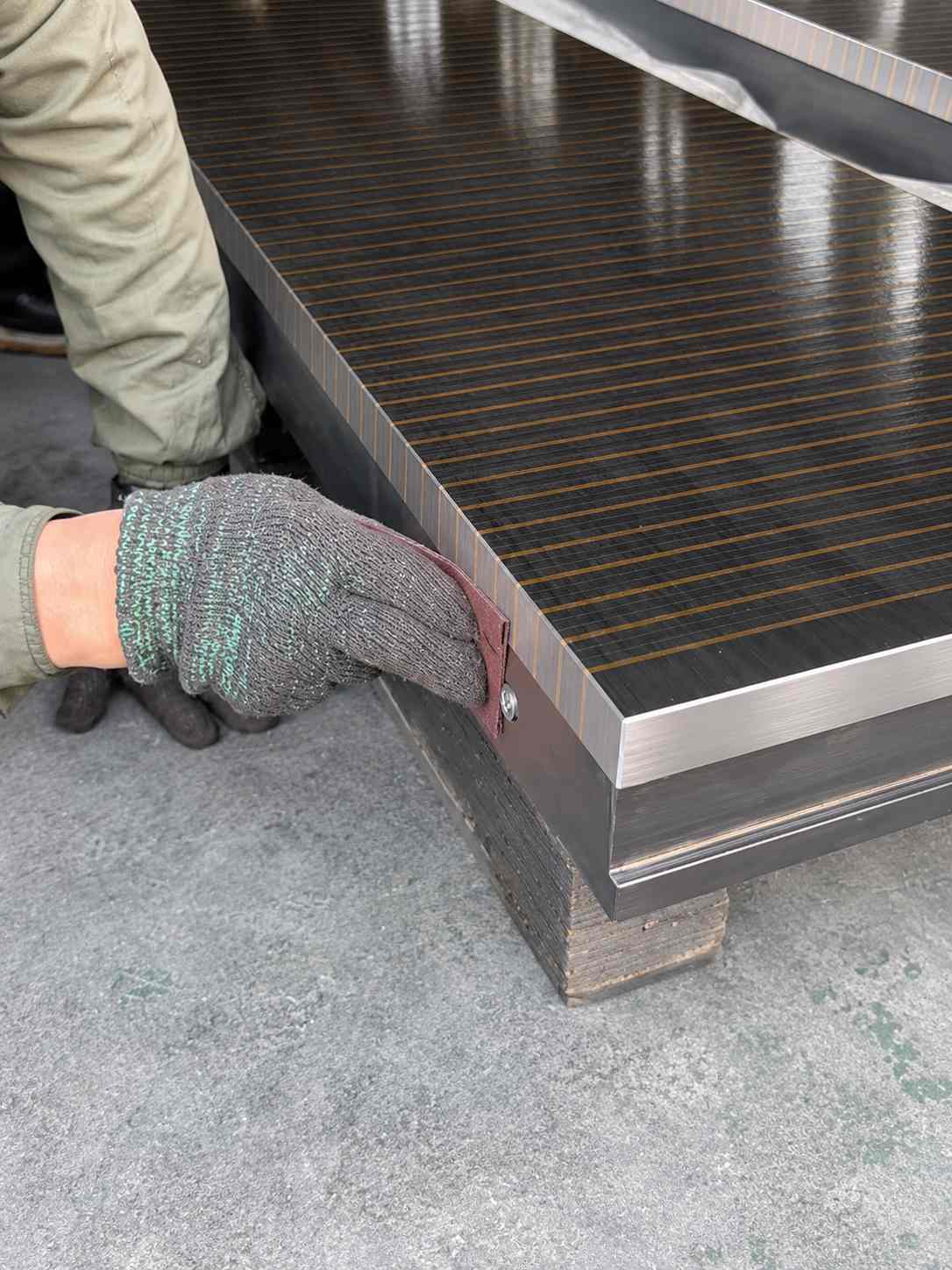
    Manufacturing Workshop
    Manufacturing Workshop
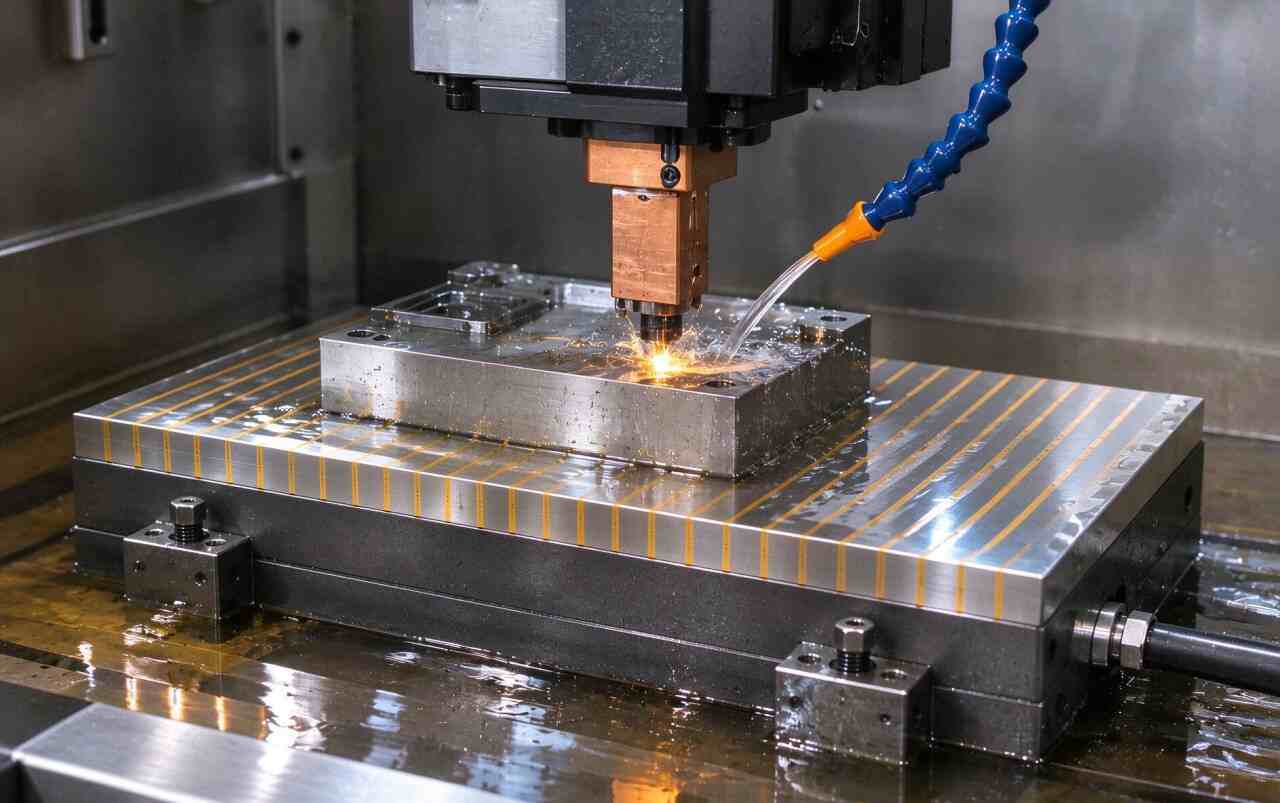
    CNC Machining Equipment
    CNC Machining Equipment Machining electromagnetic chuck bodies, pole faces, and mounting features.
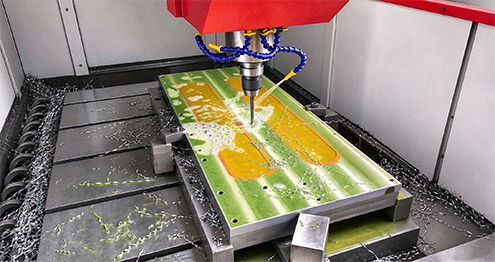
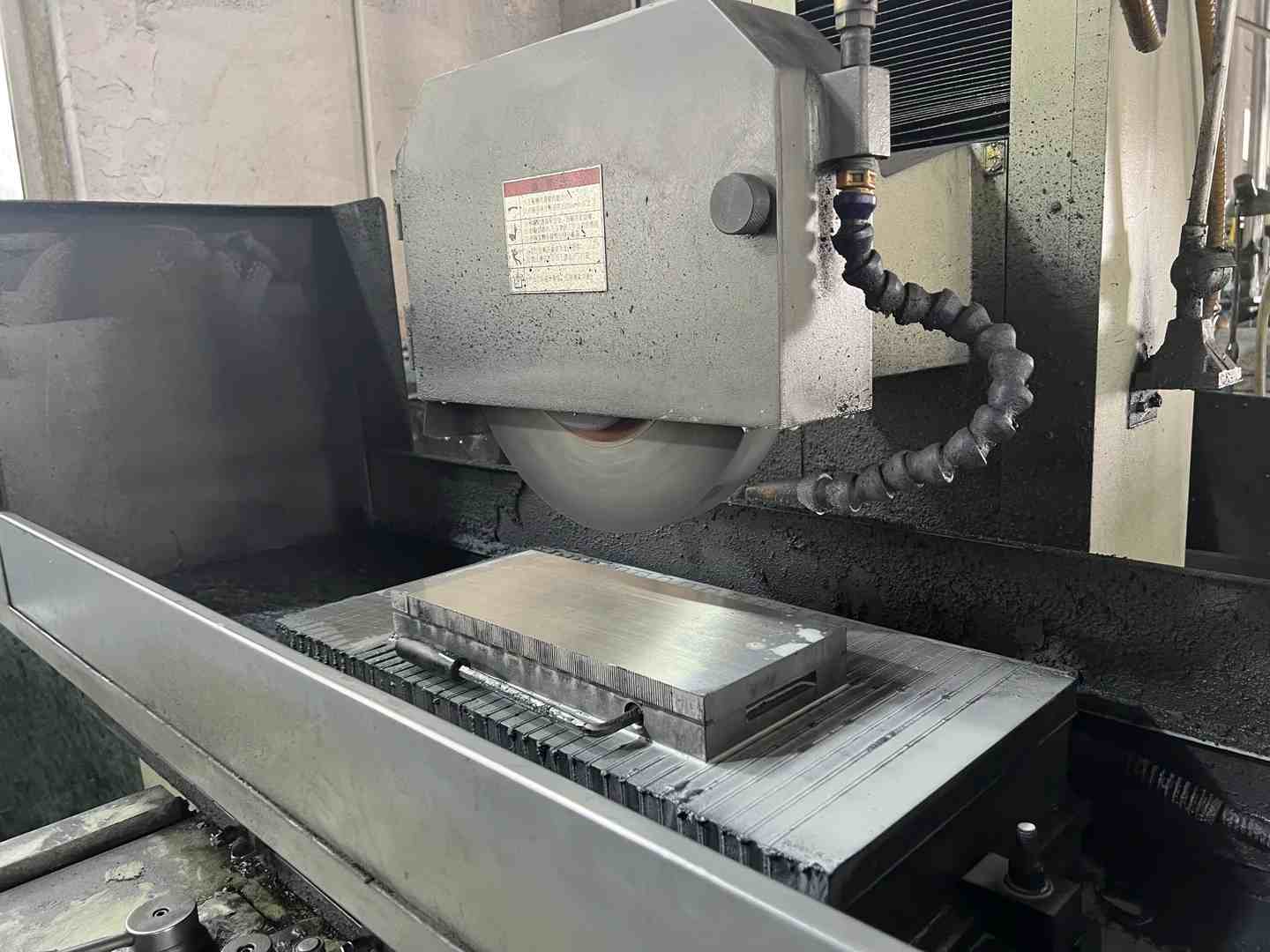
    Precision Surface Grinding
    Precision Surface Grinding Finishing chuck working surfaces for flatness and accuracy.
    Electromagnetic Coil Assembly
    Electromagnetic Coil AssemblyInstalling coils and assembling internal magnetic components.
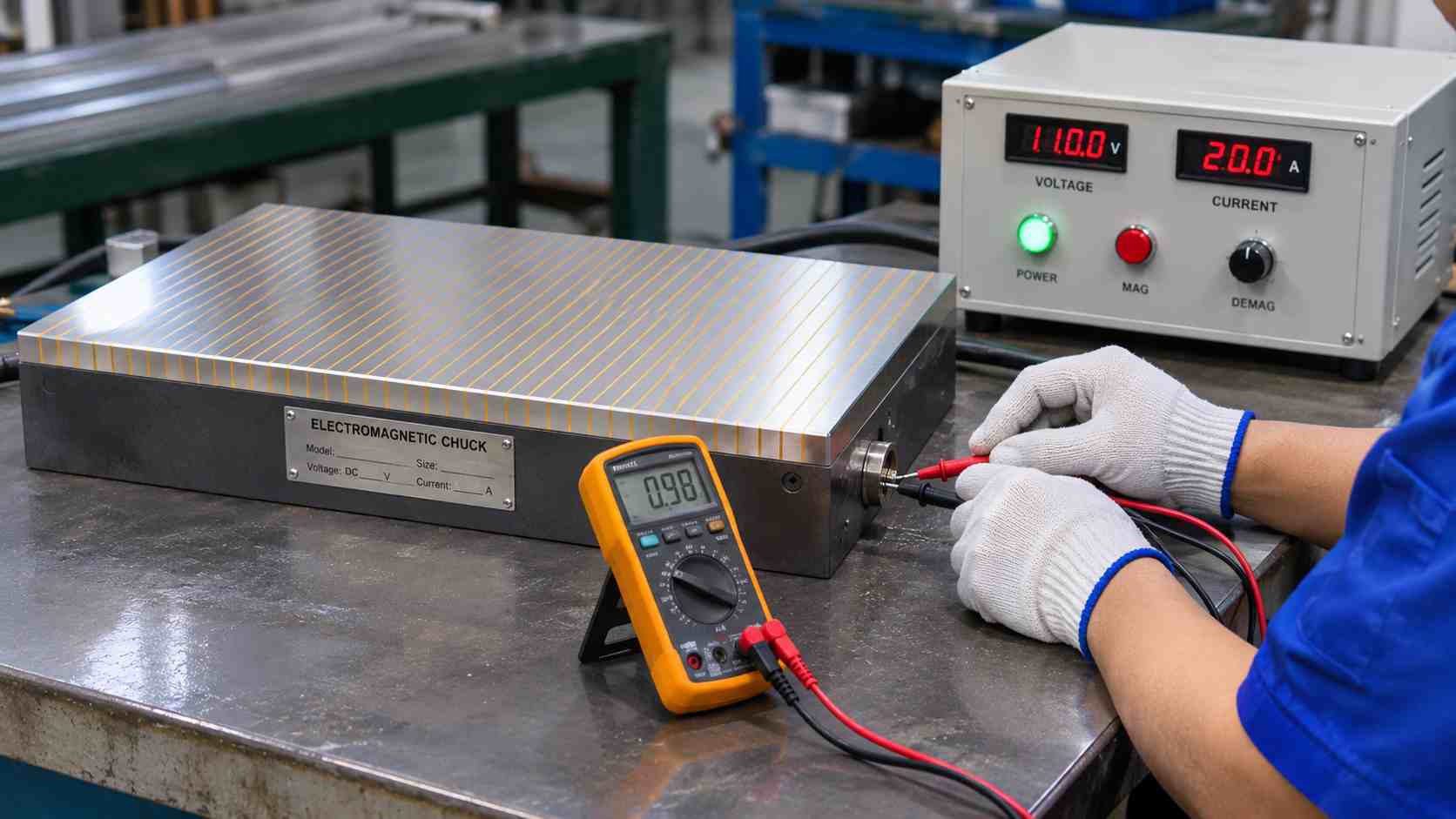
    Electrical & Quality Inspection
    Electrical & Quality InspectionChecking coil insulation, electrical performance, and product dimensions.
    Dimensioned magnetic chuck working-face and mounting drawing
    Engineering & Controller DesignPreparing chuck drawings, electrical specifications, and controller configurations.

    Have a special chuck size, mounting interface or holding layout? We can review your drawing before defining the production approach.

    Electromagnetic Chuck Quality & Certifications

    Magwork provides quality inspection and supporting documentation for electromagnetic chucks, covering electrical safety, magnetic performance, and product specifications.

    Pull-force gauge and test piece on a magnetic chuck face

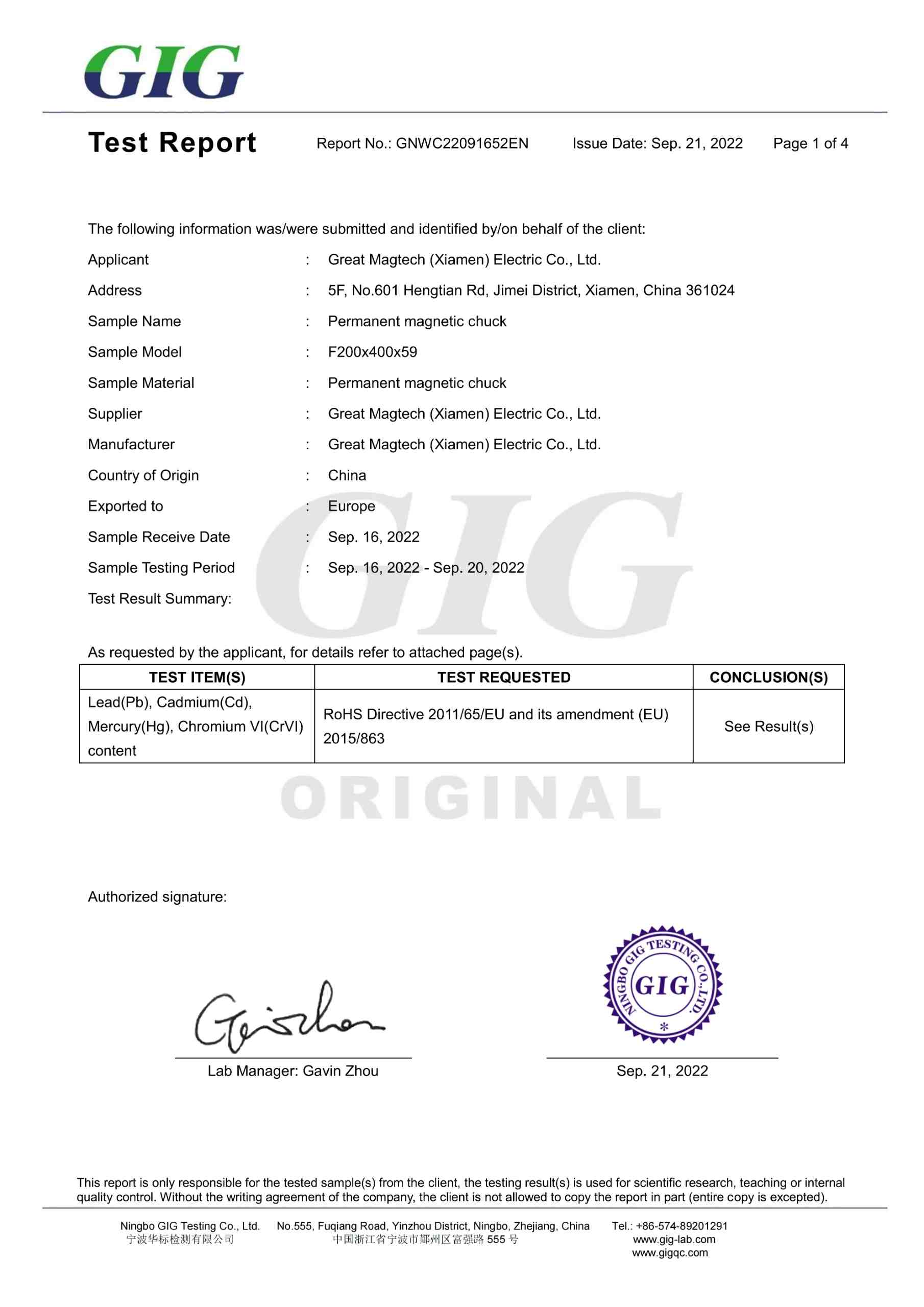
    RoHS Certificate for Permanent Magnet Chuck

    Request Certification Documents
    Reports & Certifications
    CE Compliance
    ISO 9001
    ISO 14001
    RoHS
    CE Magnetic Chuck

    CE Magnetic Chuck

    CE Permanent Magnetic Chuck

    CE Permanent Magnetic Chuck

    ISO 9001 Certificate

    ISO 9001 Certificate

    ISO 14001 Certificate

    ISO 14001 Certificate

    Electromagnetic Chuck Maintenance & Care

    Regular maintenance helps maintain your electromagnetic chuck's holding performance and service life. Keep the working surface clean, inspect electrical connections, and follow the manufacturer's operating instructions.

    01Clean the Working SurfaceRemove metal chips, dust, and grinding residue after use.
    02 Inspect Cables & ConnectionsCheck cables, connectors, and insulation for wear or damage.
    03Monitor Operating TemperatureCheck for abnormal coil heating during operation.
    04Verify Safe ShutdownFollow approved power-off, demagnetization, and workpiece release procedures.
    Electromagnetic Chuck Maintenance

    Electromagnetic Chuck FAQs

    These questions address electrical operation, holding limits, integration and maintenance for a powered magnetic workholding setup.

    What are the main advantages of electromagnetic chucks?+

    Electromagnetic chucks provide electrically controlled workholding, convenient workpiece release, and clear access to machining surfaces. They are widely used in precision surface grinding.

    What is the difference between fine-pole and standard-pole electromagnetic chucks?+

    e-pole electromagnetic chucks are generally better suited for smaller or thinner steel parts, while standard-pole chucks are commonly used for larger workpieces.

    Can electromagnetic chucks hold thin steel workpieces?+

    Yes. Fine-pole electromagnetic chucks can hold suitable thin steel parts. Holding performance depends on material thickness, pole pitch, contact area, and magnetic force.

    Do electromagnetic chucks require a special controller?+

    Most electromagnetic chucks require a compatible DC power supply or controller. The controller must match the chuck's voltage, current, and operating requirements.

    Can electromagnetic holding force be adjusted?+

    Yes, electromagnetic holding force can be adjusted on models equipped with a compatible current-control system. Some models support only ON/OFF operation.

    What happens if electricity is interrupted?+

    An electromagnetic chuck loses its holding force when power is interrupted. Suitable safety measures and machine interlocks are necessary to prevent workpiece movement or release.

    Why might an electromagnetic chuck become warm?+

    Electrical current generates heat in the chuck's coils during operation. Excessive temperature may result from incorrect voltage, overloading, or operation beyond the rated duty cycle.

    Need a Custom Electromagnetic Chuck?

    For a custom powered magnetic fixture, the machine supply and controller requirements should be discussed together with the workpiece and machining task.