When you clamp a thin steel plate in a mechanical vise, too much pressure can cause it to bend. A magnetic chuck offers another way to hold the workpiece without applying pressure through mechanical jaws.
Both workholding methods have their advantages, but they suit different machining needs. Your choice depends on the workpiece material, shape, and machining process. Comparing mechanical vises and magnetic chucks for surface grinding and CNC milling can help you choose the right workholding method for your application.
Mechanical Vise vs Magnetic Chuck: Key Differences
The main difference between a mechanical vise and a magnetic chuck is how they hold your workpiece. A mechanical vise uses clamping pressure, while a magnetic chuck uses magnetic force. This affects the types of materials and workpiece shapes you can hold.
What Is a Mechanical Vise?
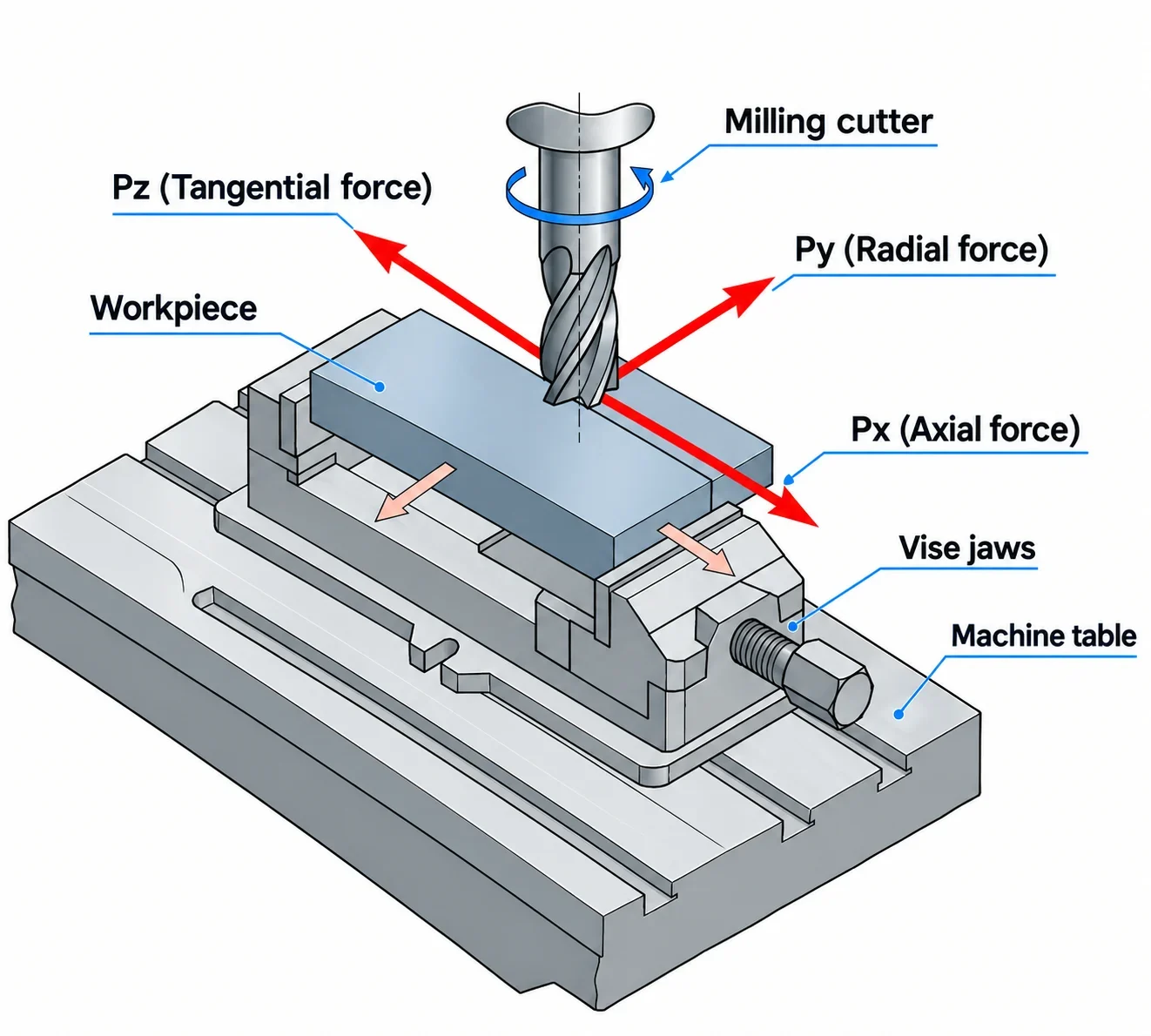
A mechanical vise is a workholding device that uses two jaws to grip your workpiece. You tighten the jaws with a screw or other mechanical clamping system to keep the part in place.
You can use a mechanical vise to hold steel, aluminum, stainless steel, and other materials. It is commonly used for CNC milling, drilling, and precision grinding, depending on the vise design.
What Is a Magnetic Chuck?
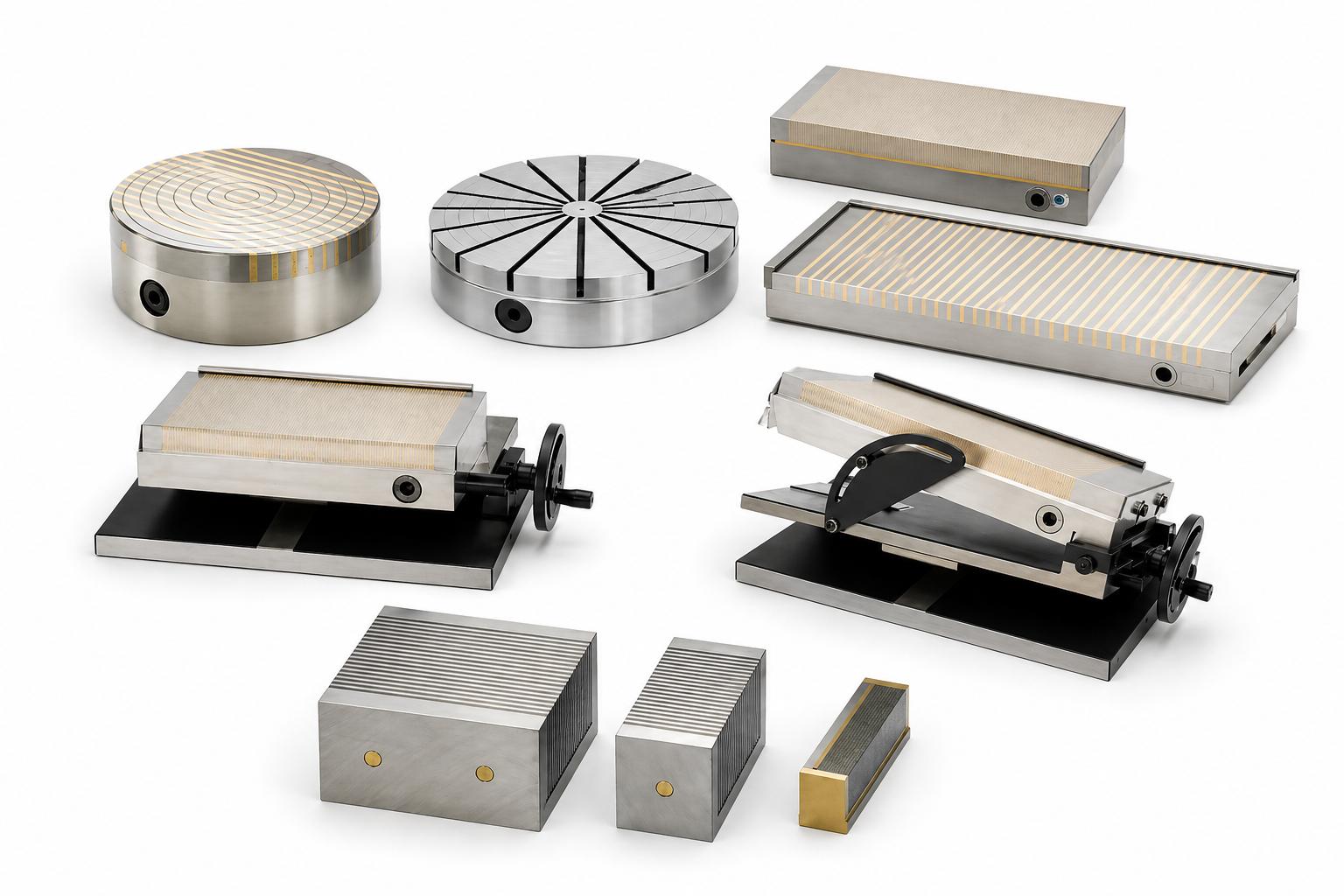
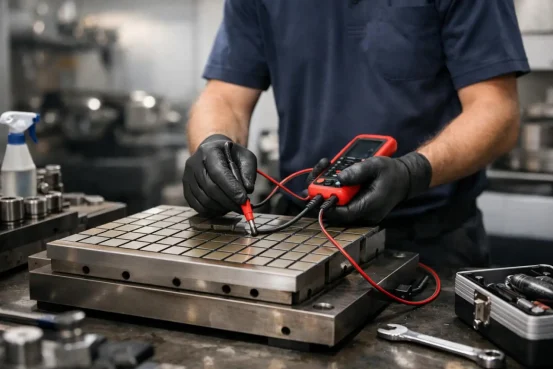
A magnetic chuck holds ferromagnetic workpieces, such as carbon steel and many tool steels, against a magnetic surface. Unlike a mechanical vise, it does not need jaws to grip the sides of your workpiece.
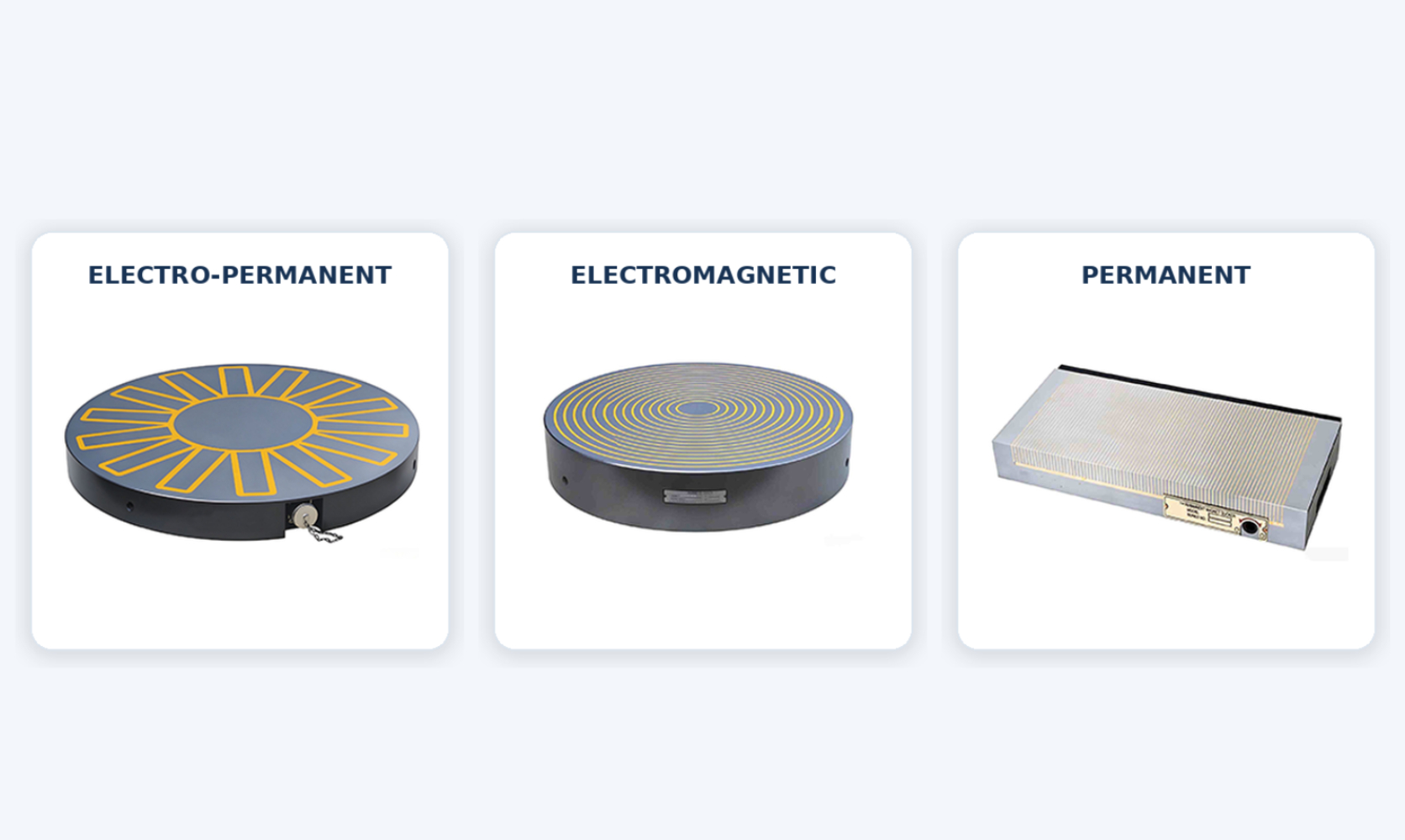
You can choose from three main types:
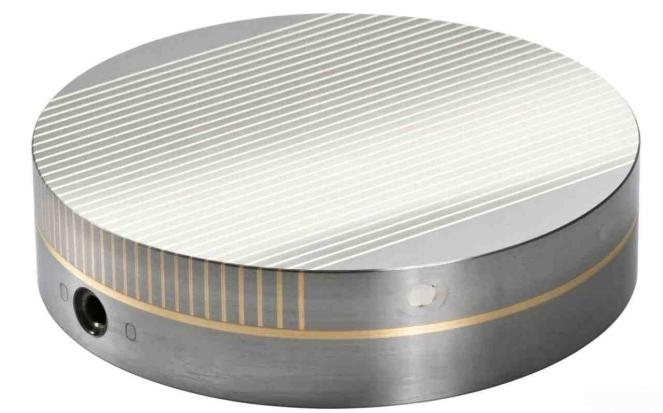
Permanent Magnetic Chuck: Uses permanent magnets and holds workpieces without continuous electrical power.
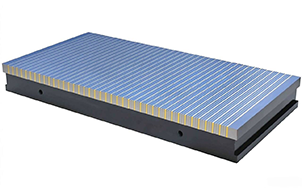
Electromagnetic Chuck: Uses electrical power to generate magnetic force. Some models allow you to adjust the holding strength.
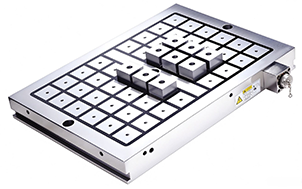
Electro-Permanent Magnetic Chuck: Uses electrical pulses to switch the magnetic field on or off without continuous power during holding.
Mechanical Vise vs Magnetic Chuck: Comparison Table
Feature | Mechanical Vise | Magnetic Chuck |
Holding Method | Mechanical pressure from jaws | Magnetic attraction |
Suitable Materials | Steel, aluminum, stainless steel, and other machinable materials | Ferromagnetic materials, such as carbon steel and many tool steels |
Workpiece Contact | Mainly through the clamping jaws | Through the magnetic contact surface |
Workpiece Shape | Suitable for many shapes with proper jaws or fixtures | Best suited to parts with sufficient magnetic contact area |
Typical Applications | CNC milling, drilling, and precision grinding | Surface grinding and suitable milling applications |
Main Limitations | Jaws may restrict tool access or mark some workpieces | Requires suitable magnetic material and enough holding force |
Which Is Better for Surface Grinding?
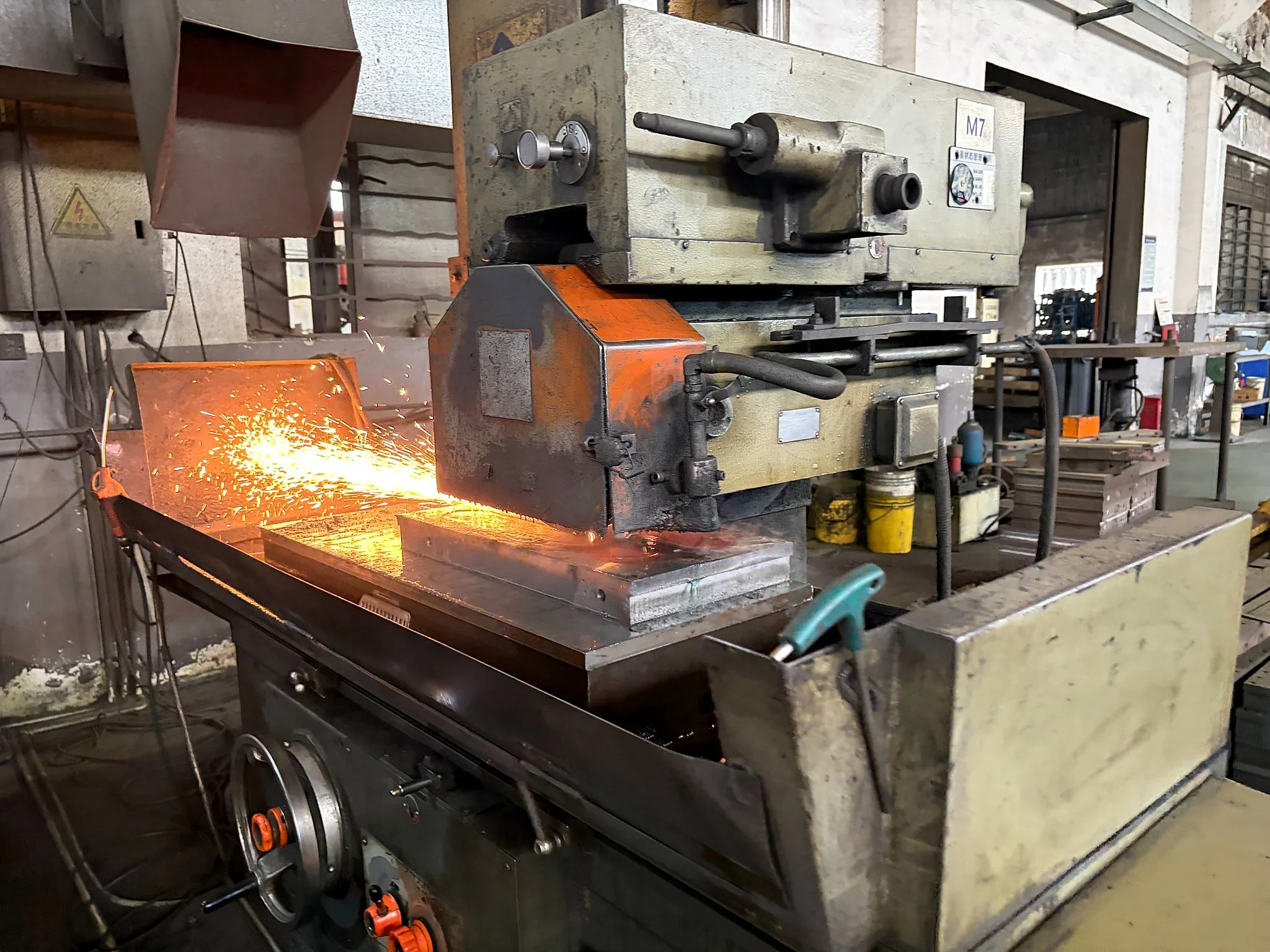
For surface grinding, a magnetic chuck is often a better choice when you need to hold flat steel parts securely across a larger contact area. It keeps the sides of your workpiece clear, giving the grinding wheel more room to reach the surface.
A mechanical vise may be more suitable when your workpiece has an irregular shape, needs specific positioning, or cannot be held directly by magnetic force.
Here are the main differences to consider:
• Workpiece access: A magnetic chuck leaves the top and sides of your workpiece more open. A mechanical vise may block part of the surface with its jaws.
• Holding and support: A magnetic chuck distributes magnetic attraction across its pole surface. A mechanical vise applies clamping pressure at specific points through its jaws.
• Thin workpieces: A fine-pole magnetic chuck can hold suitable thin steel parts with a more evenly distributed magnetic field. However, poor contact or excessive magnetic force may still cause distortion.
• Setup time: A magnetic chuck can reduce repeated jaw adjustments when you grind multiple suitable parts of similar dimensions.
When choosing a magnetic chuck for surface grinding, consider the workpiece thickness, contact area, pole pitch, and required holding force. These factors affect how securely you can hold the part during grinding.
You can explore Magwork's magnetic chucks for surface grinding to compare different workholding options for your application.
Which Is Better for CNC Milling?
For CNC milling, a mechanical vise is often the better choice when you need a firm grip on small parts or workpieces with limited contact area. Its jaws provide mechanical clamping force to help resist cutting loads.
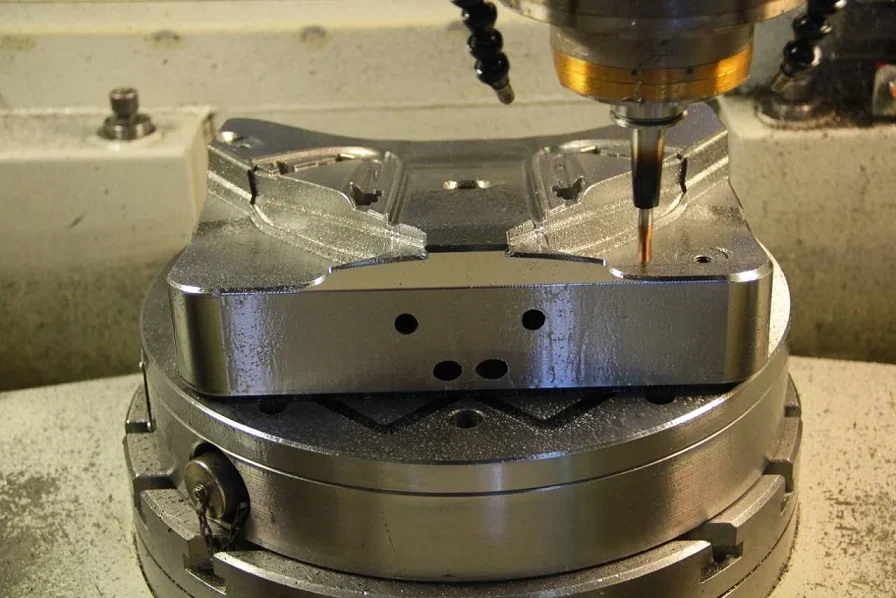
A magnetic chuck for milling can be a better option when you machine larger ferromagnetic parts or need access to multiple sides without repositioning the workpiece.
Here are the main differences to consider:
• Tool access: A magnetic chuck leaves more of your workpiece exposed, making it easier to machine the top and accessible sides. Vise jaws may limit tool movement.
• Cutting forces: A mechanical vise provides strong resistance to side forces through its jaws. With a magnetic chuck, you may need mechanical stops or locating blocks to prevent the workpiece from sliding during milling.
• Workpiece shape: A vise can hold many shapes with suitable jaws. A magnetic chuck works best when your part has enough flat, ferromagnetic contact area.
• Multiple-part machining: A magnetic chuck may let you hold several suitable parts in one setup, reducing repeated clamping and repositioning.
For heavy milling or parts with small contact areas, mechanical clamping may be more suitable. If you choose magnetic workholding, make sure the chuck is designed for milling and can resist the expected cutting forces.
You can explore Magwork's magnetic workholding solutions for CNC milling for suitable chuck configurations.
How to Choose Between a Mechanical Vise and a Magnetic Chuck
Before choosing your workholding method, consider the material, size, and shape of your workpiece, along with the forces involved in machining. Your machine setup and production needs also matter.
When to Choose a Mechanical Vise
A mechanical vise is a better choice when:
• You need to clamp aluminum, non-magnetic stainless steel, or other non-ferromagnetic materials.
• Your workpiece has an irregular shape or needs custom jaw positioning.
• Your machining process requires mechanical clamping to handle cutting forces.
When to Choose a Magnetic Chuck
A magnetic chuck is a better choice when:
• You mainly machine ferromagnetic workpieces with enough contact area.
• You need open access to the workpiece surface during grinding or milling.
• You want to hold multiple suitable parts in one setup.
Key Factors to Consider Before Buying
Regardless of which option you choose, check these three points before selecting your workholding equipment.
1. Workpiece Material and Contact Area
Check whether your material is magnetic and whether the workpiece has enough contact area for secure holding. A magnetic chuck cannot directly hold aluminum or most austenitic stainless steel parts. Thin or uneven workpieces may also need special pole designs or additional support.
2. Machining Forces and Positioning
Consider the direction and strength of the cutting forces. During heavy milling, you may need mechanical stops or additional clamping to prevent movement. For surface grinding, focus on stable support and even contact between the workpiece and chuck.
3. Machine Compatibility and Operating Cost
Check your machine table dimensions, mounting method, available working space, and required setup height. Also consider setup time, maintenance, and operating costs. For an electromagnetic chuck, include the power supply and controller requirements. For a permanent magnetic chuck, consider the manual switching method.
The right choice comes down to your workpiece and machining conditions. If you are unsure, compare the actual workpiece dimensions, material, and machining requirements before ordering.
When Do You Need a Custom Magnetic Chuck?
A standard magnetic chuck may not fit every machine or workpiece. If your application requires special dimensions, magnetic pole arrangements, or mounting designs, a custom magnetic chuck may be a better option.
You may need a custom solution when:
• Non-standard dimensions: Your machine table or workpiece does not match standard chuck sizes.
• Special workpiece shapes: Your parts require a specific magnetic pole layout or contact surface.
• Special mounting requirements: Your machine needs a custom mounting base, fixing holes, or installation dimensions.
• OEM integration: You need the magnetic chuck to work with your machine structure, control system, or automated production line.
When requesting a custom magnetic chuck, prepare your workpiece drawings, material details, dimensions, machining process, and machine specifications. This helps you get a more suitable design.
If your standard workholding setup does not meet your requirements, you can explore Magwork's custom magnetic workholding solutions and discuss your application with the team.
FAQs
Q: Can you use a mechanical vise on a surface grinder?
A: Yes. You can use a precision mechanical vise to hold small or specially shaped workpieces during surface grinding. However, the jaws may block part of the grinding surface. A magnetic chuck is often more suitable when you need to grind flat steel parts with fewer obstructions.
Q: Can a magnetic chuck replace a vise for milling?
A: In some milling applications, yes. A magnetic chuck can hold suitable ferromagnetic workpieces while leaving more of the surface open for machining. However, you must consider cutting forces, contact area, and workpiece stability. For heavy milling or irregular parts, a mechanical vise may be a better choice.
Q: Can magnetic chucks hold stainless steel?
A: It depends on the stainless steel grade. Austenitic stainless steels, such as common 304 and 316 grades, are generally non-magnetic and cannot be held reliably by a standard magnetic chuck. Ferritic and martensitic stainless steels are usually magnetic, but their holding suitability still depends on the material and chuck design.
Q: Can you use a mechanical vise with a magnetic chuck?
A: Yes. You can mount a suitable mechanical vise on a magnetic chuck when the vise base provides enough magnetic contact. This setup can help you hold small parts while using the magnetic chuck to secure the fixture. Before using it, check the base material, contact area, magnetic holding force, and resistance to machining forces.
Q: Do magnetic chucks lose holding force when the power is off?
A: It depends on the type of magnetic chuck:
Permanent magnetic chuck: Retains its holding force without electrical power.
Electromagnetic chuck: Requires continuous power to maintain its magnetic field.
Electro-permanent magnetic chuck: Uses electrical pulses to switch its magnetic state and retains its holding force without continuous power.
Check the chuck's specifications and operating instructions before selecting one for your machine.
Conclusion
Choosing between a mechanical vise and a magnetic chuck depends on your workpiece material, machining process, and holding requirements. A mechanical vise uses jaws to clamp different materials and shapes, while a magnetic chuck holds ferromagnetic parts without covering their sides with jaws.
In simple terms, choose a magnetic chuck for flat steel parts in surface grinding and suitable milling setups. Choose a mechanical vise when you need to clamp non-magnetic materials, irregular parts, or workpieces that require strong mechanical gripping.
If standard chuck sizes or configurations do not fit your machine, explore Magwork's magnetic chuck products or discuss a custom solution for your application.