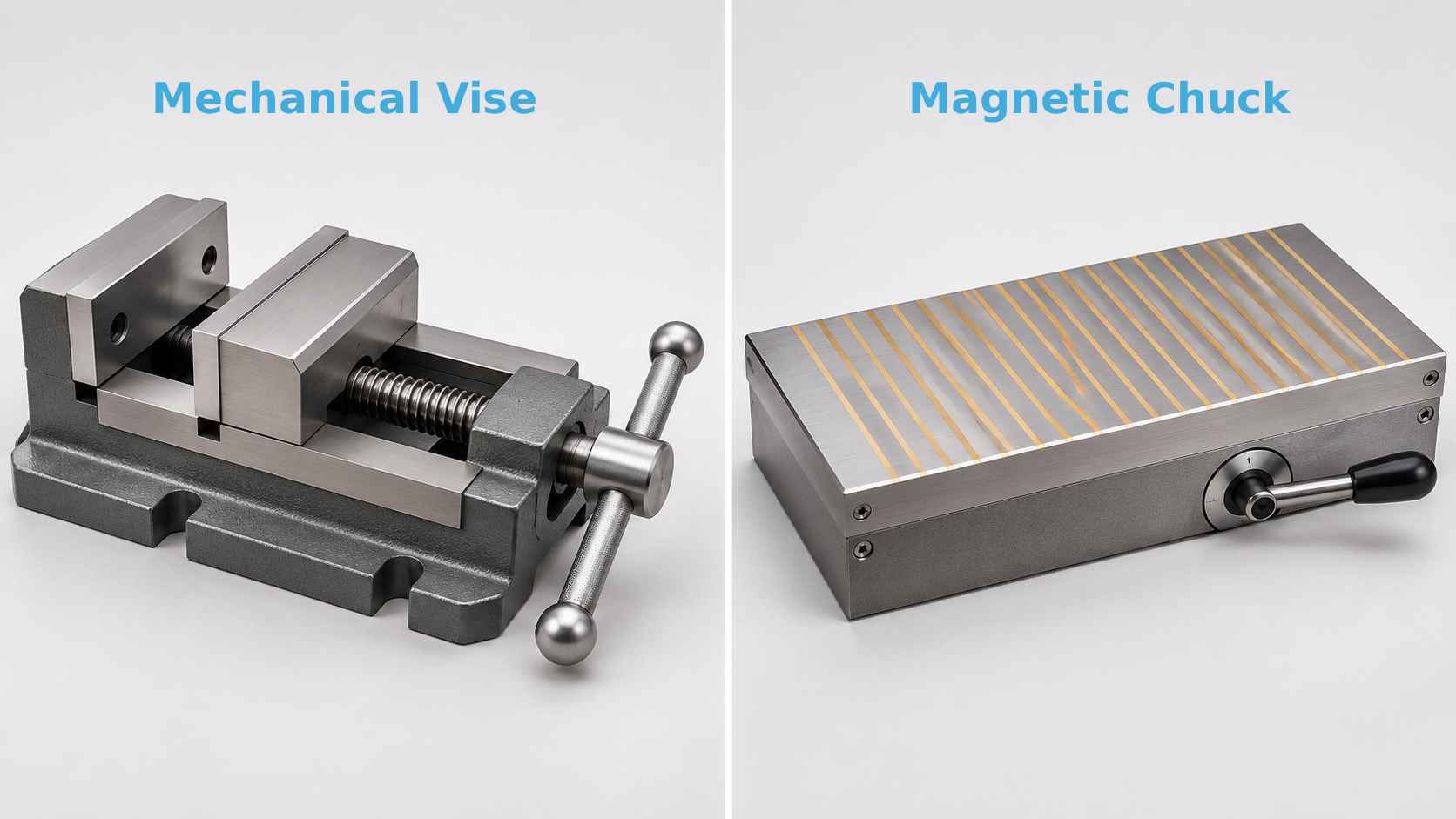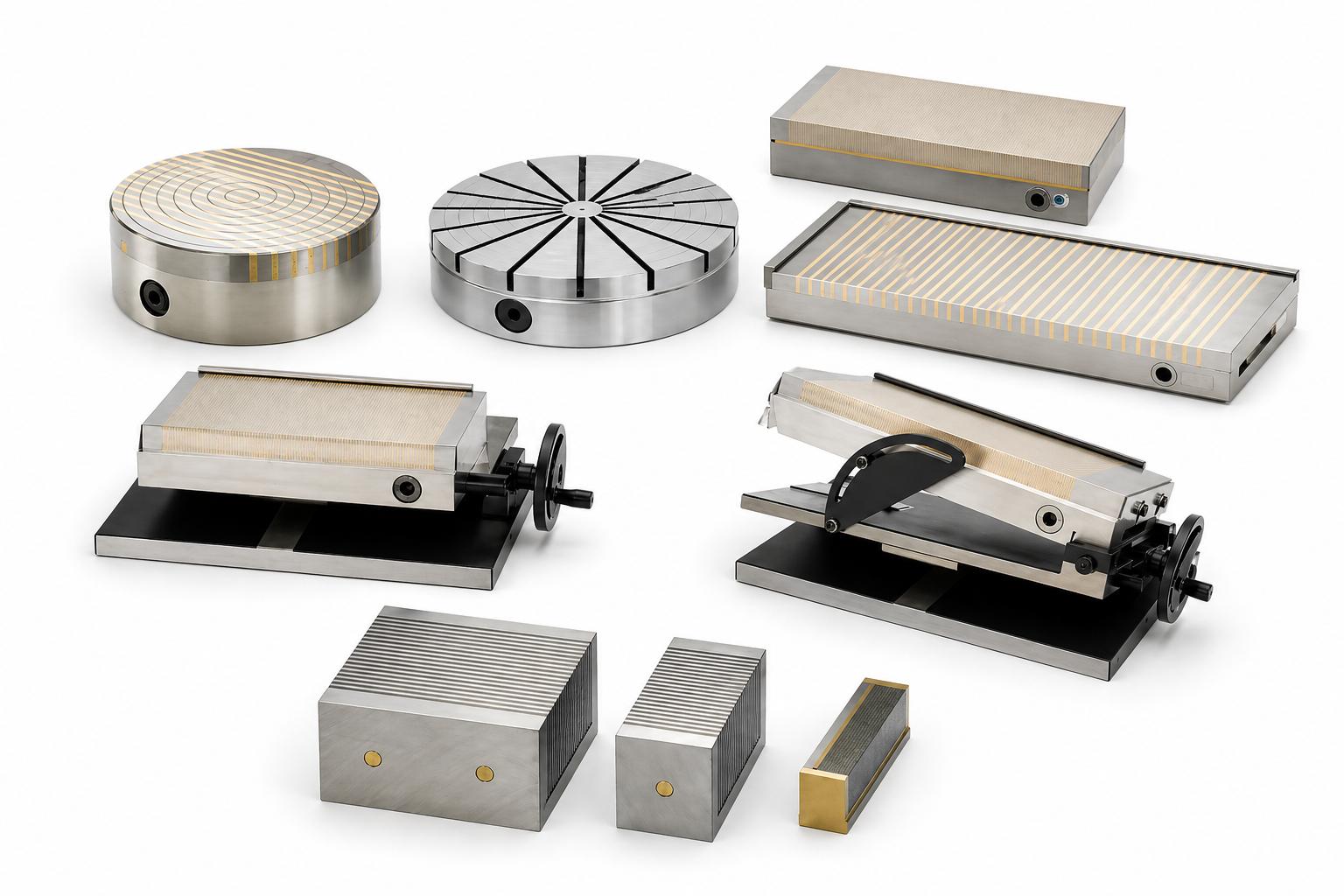
A magnetic chuck that loses holding force, fails to release a workpiece, or develops an electrical fault can disrupt your machining operations. However, these problems do not always mean you need a new chuck. The cause may be poor workpiece contact, residual magnetism, a damaged coil, or a faulty control system. Understanding the problem helps you choose the right solution.
Common Magnetic Chuck Problems and Their Causes
Magnetic chuck problems can affect workpiece stability and interrupt your machining process. The symptoms often point to different causes. Common issues include:
Problem | Possible Causes |
Weak holding force | Poor surface contact, air gaps, unsuitable workpiece material, or insufficient pole coverage |
Residual magnetism | Incomplete demagnetization or magnetic properties of the workpiece |
Coil failure | Overheating, damaged insulation, or electrical faults |
Switching failure | A faulty switching mechanism, controller, or electrical connection |
Surface damage | Wear, corrosion, scratches, or impact damage |
How to Troubleshoot a Magnetic Chuck with Weak Holding Force
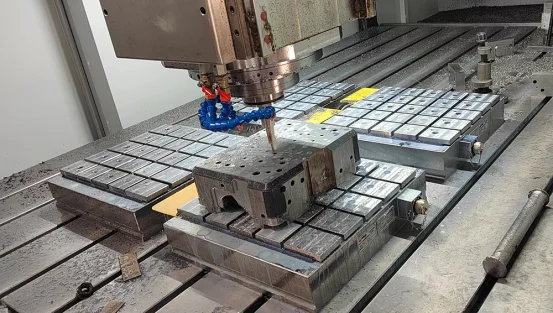
When your magnetic chuck cannot hold a workpiece securely, you should check the contact conditions before assuming the chuck has failed. Weak holding force can result from surface contamination, air gaps, unsuitable workpiece material, or problems inside the chuck. A step-by-step check helps you find the cause before deciding on a repair.
Common Causes of Weak Holding Force
Several factors can reduce your magnetic chuck's holding force:
Poor Surface Contact and Air Gaps
Chips, dirt, rust, or coolant residue between the chuck and workpiece can create small air gaps. These gaps interrupt the magnetic path and reduce the holding force. An uneven or damaged chuck surface can cause the same problem.
Workpiece Material and Thickness
Your workpiece material affects how well the chuck can hold it. Low-carbon steel generally works well with magnetic workholding. Austenitic stainless steel, aluminum, and other non-magnetic materials cannot be held directly by a standard magnetic chuck. Ferritic and martensitic stainless steels can be magnetic, but their holding performance depends on the material grade and magnetic properties. Thin workpieces may also provide a weaker magnetic path because they cannot carry enough magnetic flux.
Magnetic Pole Coverage and Flux Path
Your workpiece needs enough contact with the magnetic poles to create a suitable magnetic path. If the workpiece is too small, poorly positioned, or does not cover enough poles, the holding force may be reduced.
Internal Chuck Problems
If the contact surface and workpiece are suitable, the problem may come from the chuck itself. Damaged magnetic components, a faulty switching mechanism, or electrical problems can affect its performance.
How to Check Magnetic Chuck Holding Force
Before attempting a magnetic chuck repair, follow these checks:
Inspect the contact surface: Stop the machine and remove chips, dirt, and other debris from the chuck and workpiece. Check for scratches, wear, or uneven areas.
Check the workpiece: Confirm that its material, thickness, size, and contact area are suitable for magnetic clamping.
Check pole coverage: Make sure the workpiece is positioned correctly and covers enough magnetic poles.
Check the chuck operation: For a permanent magnetic chuck, check whether the switching mechanism works correctly. For an electromagnetic chuck, check the power supply and controller. For an electro-permanent chuck, check the switching signal and control system.
Measure holding performance: Use a suitable magnetic holding force tester or another approved test method. Compare the results with the manufacturer's specifications.
Never test holding force by pulling or moving an unsecured workpiece by hand. Follow the manufacturer's safety instructions during inspection.
How to Fix Weak Magnetic Holding Force
Once you identify the cause, choose the right corrective action:
For poor contact: Clean the chuck and workpiece surfaces. Remove chips and rust, and check whether the surfaces need professional repair.
For unsuitable workpieces: Review the material, thickness, and contact area. Adjust the workpiece position or select a chuck better suited to your application.
For poor pole coverage: Reposition the workpiece to improve contact with the magnetic poles. Check whether the chuck size and pole layout match your workpiece.
For internal faults: Have the magnetic circuit, switching mechanism, or electrical system inspected by a qualified technician.
If these checks do not restore reliable holding performance, you may need a professional repair assessment. When the chuck has severe internal damage or cannot meet your machining requirements after repair, consider replacing it with a suitable magnetic chuck.
How to Troubleshoot Residual Magnetism and Release Problems
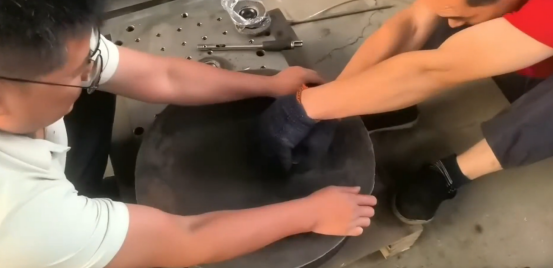
If your workpiece remains attached to the magnetic chuck after machining, or still attracts metal chips after removal, you may be dealing with residual magnetism or a release problem. These are not always the same issue. Residual magnetism can remain in the workpiece even after you release it from the chuck. A faulty switching mechanism or control system may also prevent the chuck from releasing properly.
What Causes Residual Magnetism?
You may find residual magnetism for several reasons:
Workpiece Material and Heat Treatment: Hardened steel and some high-carbon steels can retain more magnetism after machining or magnetic clamping.
Incomplete Demagnetization: If your electromagnetic chuck does not complete its demagnetization cycle, some magnetic field may remain in the workpiece.
Switching and Control Problems: A faulty switching mechanism or control signal may prevent the chuck from reaching its proper release state.
How to Check Residual Magnetism
Before attempting to remove residual magnetism, you need to identify where the problem comes from.
Check the Workpiece: After releasing the chuck, see whether the workpiece still attracts small steel particles. This can indicate residual magnetism, but it does not measure its actual strength.
Measure the Magnetic Field: Use a gauss meter or suitable magnetic field meter to measure the workpiece's residual magnetism.
Check the Chuck Release: Confirm that the chuck has completed its normal release or demagnetization process. If the workpiece remains firmly attached, inspect the switching mechanism or control system according to the manufacturer's instructions.
How to Reduce Residual Magnetism
Your solution depends on the chuck type and the source of the remaining magnetism.
For Electromagnetic Chucks: Follow the specified demagnetization cycle before removing the workpiece. If the cycle does not work, have the controller and electrical system checked.
For Permanent Magnetic Chucks: Make sure the switching mechanism has reached the release position. If the workpiece still retains magnetism after removal, you may need a separate demagnetizing device.
For Electro-Permanent Magnetic Chucks: Check the switching signal and controller to confirm that the release pulse has been completed correctly. Follow the manufacturer's operating procedure.
If your workpiece still has too much residual magnetism after release, use a suitable demagnetizer based on its material, size, and required residual field level. Do not assume that switching off or releasing the chuck will remove all magnetism from the workpiece.
How to Troubleshoot Electromagnetic Chuck Coil Failures
If your electromagnetic chuck fails to hold a workpiece or produces weak holding force, you may have an electrical problem. The coil is one possible cause, but a faulty power supply, rectifier, controller, or wiring connection can produce similar symptoms. Check the external electrical system first before assuming the coil needs repair.
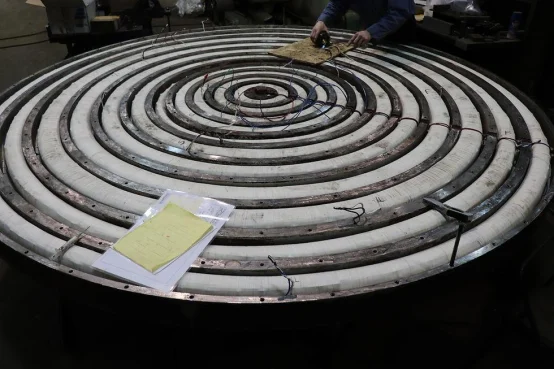
Common Causes of Electromagnetic Coil Failure
Several problems can affect your electromagnetic chuck coil:
Insulation Damage: Aging, moisture, or electrical stress can damage the coil insulation, leading to leakage current or short circuits.
Overheating: Excessive heat from abnormal current or incorrect operation can damage the coil over time.
Coolant Ingress: Coolant entering the chuck through damaged seals can affect the coil insulation and internal electrical parts.
Wiring Faults: Loose connections, damaged cables, or poor electrical contacts can interrupt the power supply to the coil.
How to Check the Controller and Coil
Before assuming the coil has failed, check the external electrical system:
Check the Power Supply: Confirm that the power supply is working and matches the chuck's specifications.
Inspect the Controller and Rectifier: Check for visible damage, warning indicators, or abnormal operation.
Check External Connections: Look for loose connections, damaged cables, or signs of overheating.
If these checks do not reveal the problem, further electrical testing may be needed. Internal testing should be handled by qualified technicians. Do not open the chuck or attempt to inspect the coil yourself.
Can an Electromagnetic Chuck Coil Be Repaired?
If your electromagnetic chuck still fails after checking the power supply, controller, rectifier, and external connections, the problem may be related to an internal coil fault.
Internal coil damage is not a repair job you should attempt yourself. The coil is protected by an insulation and resin sealing structure. Opening the chuck without the right knowledge and equipment may damage its insulation and sealing.
If you suspect an internal coil failure, contact the manufacturer for technical support. A qualified technician can assess the problem and determine whether repair or replacement is needed.
How to Repair Magnetic Chuck Surface Damage
Scratches, corrosion, or uneven wear can create gaps between the chuck and workpiece, reducing holding performance. The right repair depends on the type and extent of the damage.
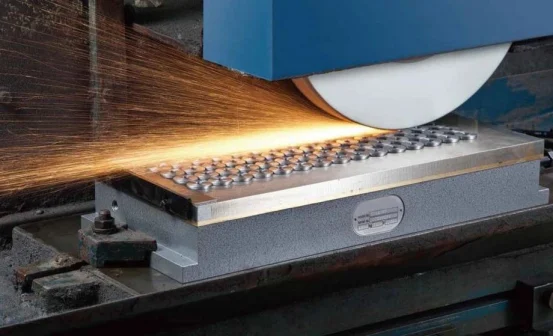
Common Types of Surface Damage
You may find several types of damage on your magnetic chuck:
Scratches and Wear: Repeated machining, workpiece movement, or tool contact can leave scratches and wear marks on the working surface.
Corrosion: Moisture and cutting fluids can cause rust or corrosion, affecting surface condition and workpiece contact.
Pole Plate Damage: Heavy impact or improper handling can damage the pole plates and affect magnetic performance.
Uneven Surface: Excessive wear or improper grinding can make the working surface uneven, preventing your workpiece from making proper contact.
Can a Damaged Magnetic Chuck Be Reground?
In some cases, you can restore a damaged magnetic chuck through surface regrinding. However, not every chuck is suitable for this process.
Before considering regrinding, check the following:
Regrinding Limits: Your chuck has a limited amount of material that can be removed. Follow the manufacturer's specifications to avoid excessive grinding.
Pole Plate Condition: If the pole plates are deeply damaged or deformed, regrinding may not restore the chuck's performance.
Magnetic Performance: Excessive material removal can affect the magnetic circuit and reduce holding force.
Surface regrinding should be assessed and carried out by qualified technicians with suitable grinding equipment. Do not attempt to grind the chuck yourself without knowing its structure and remaining material allowance.
If the damage is too severe or the chuck cannot maintain reliable holding performance, replacement may be a safer option.
Magnetic Chuck Repair vs. Replacement: Which Should You Choose?
When your magnetic chuck develops a fault, consider its damage, repair cost, and performance before deciding whether to repair or replace it.
Repair vs. Replacement Comparison
Evaluation Factor | Repair | Replacement |
Damage Severity | Minor or repairable damage | Severe or extensive damage |
Spare Parts | Required parts are available | Parts are unavailable or obsolete |
Repair Cost | Repair is cost-effective | Repair costs are too high |
Downtime | Repair time is acceptable | Replacement can reduce downtime |
Holding Performance | Original performance can be restored | Reliable performance cannot be restored |
Service Life | Sufficient remaining service life | Chuck is near the end of its service life |
If the damage is minor and your chuck can regain reliable performance, repair may be the better choice. If the damage is severe or repair costs are too high, replacement may be more practical.
If you need a replacement, explore Magwork's magnetic chuck products to find a suitable option for your machine and workpiece.
Post-Repair Performance Verification
After your magnetic chuck has been repaired, you should confirm that it is safe and ready for use. Do not rely only on whether it can switch on or attract a workpiece.
Depending on your chuck type, check the following:
Holding Performance: Verify that the chuck provides adequate holding force for your workpiece and application.
Electrical Safety: For electromagnetic and electro-permanent chucks, confirm that the electrical connections and insulation meet the manufacturer's requirements.
Switching and Release: Check that the chuck can complete its normal clamping and release functions.
Surface Condition: Confirm that the working surface is in suitable condition and provides proper contact with the workpiece.
Use the manufacturer's recommended test methods and acceptance limits. If the chuck cannot pass the required checks, do not return it to production until the problem has been resolved.
A repair is only worthwhile if your magnetic chuck can return to reliable operation and meet your machining requirements.
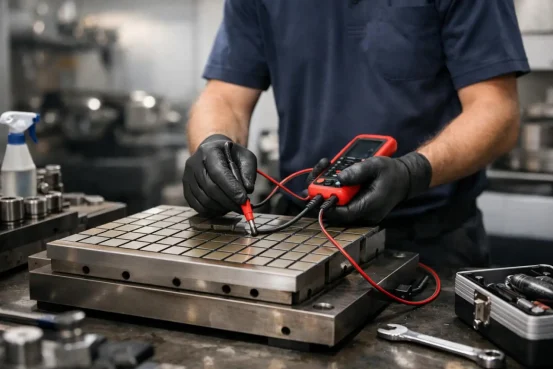
How to Prevent Magnetic Chuck Failures
Regular maintenance helps you keep your magnetic chuck in good working condition. Follow these basic practices:
Keep the Surface Clean: Remove metal chips, dirt, and coolant residue from the chuck and workpiece before clamping.
Inspect the Working Surface: Check for scratches, corrosion, and uneven wear that may affect workpiece contact.
Check Electrical Components: For electromagnetic and electro-permanent chucks, inspect external cables, connections, and controllers for visible damage.
Follow Operating Instructions: Use your chuck within the manufacturer's recommended limits and avoid excessive impact or improper handling.
Check Holding Performance: Monitor clamping performance during normal operation. If you notice a change, stop and investigate the cause before continuing.
A regular inspection routine helps you spot small problems early and keep your magnetic chuck operating reliably.
FAQs
Can a permanent magnetic chuck lose its magnetism?
Yes. Your permanent magnetic chuck can lose magnetic strength due to excessive heat, strong external magnetic fields, or damage to its magnetic circuit. However, weak holding force does not always mean the magnets have lost strength. Check the workpiece contact and chuck condition before assuming demagnetization.
Can an electromagnetic chuck coil be repaired?
Yes, some damaged coils can be repaired or replaced by qualified technicians. However, if your chuck has resin-sealed coils, internal repairs may be difficult. You should contact the manufacturer for an assessment rather than opening the chuck yourself.
How much does magnetic chuck repair cost?
The cost of magnetic chuck repair depends on the chuck type, extent of damage, and parts required. External electrical or connection issues are generally less costly to address than internal coil damage or major repairs. Contact the manufacturer for an inspection and repair estimate before deciding whether to repair or replace your chuck.
How do you test a magnetic chuck after repair?
You should check the chuck's holding performance, switching function, and working surface. For electrically operated chucks, qualified technicians should also verify the electrical insulation and connections. Follow the manufacturer's test procedures and confirm that the chuck meets your machining requirements before using it again.
Conclusion
Magnetic chuck repair starts with finding the cause of the problem. Whether you're dealing with weak holding force, residual magnetism, or electrical faults, proper troubleshooting helps you avoid unnecessary repairs.
If your chuck cannot be repaired safely or no longer meets your machining needs, replacement may be the better choice. You can explore Magwork's magnetic chuck products or contact our team for help finding a suitable replacement.