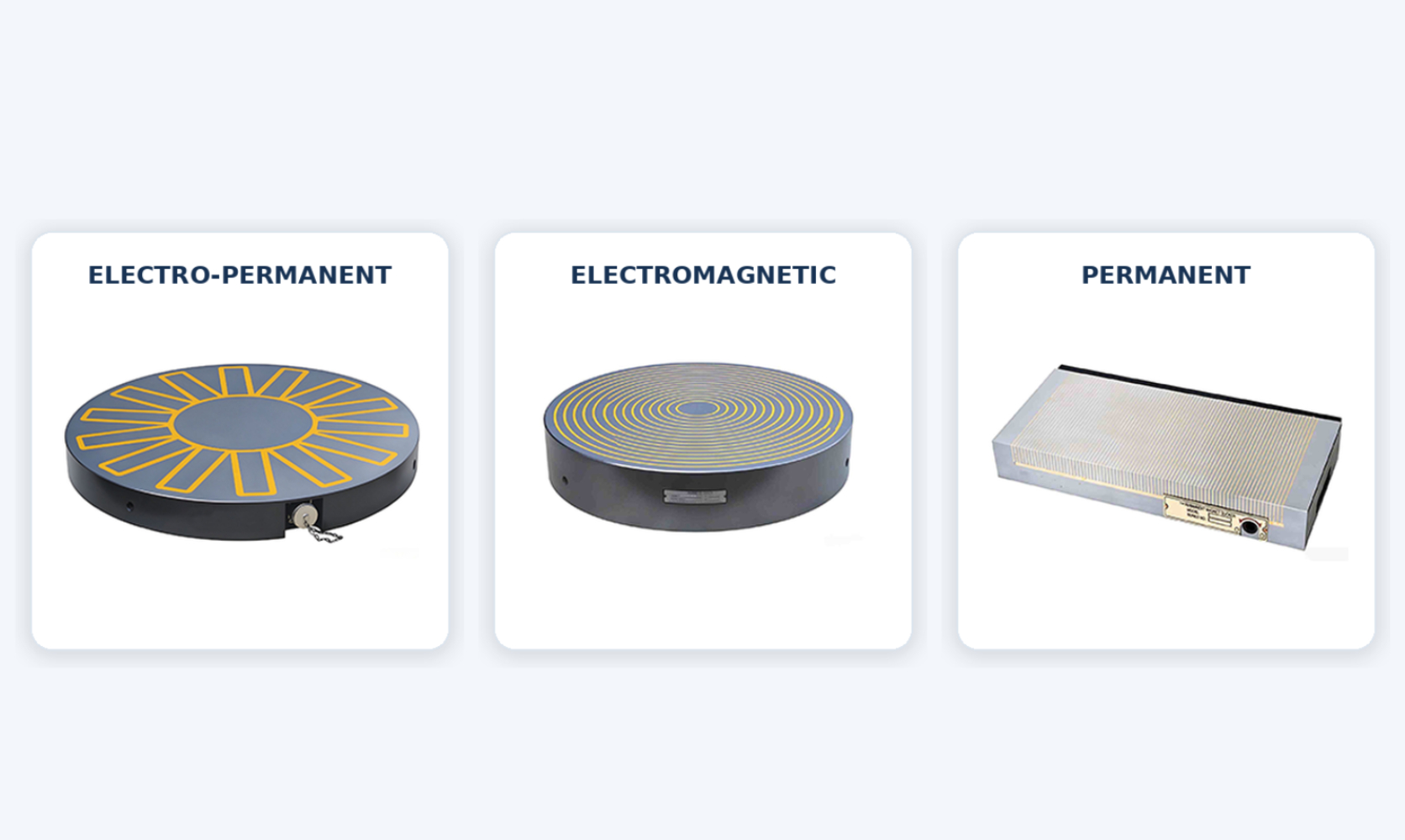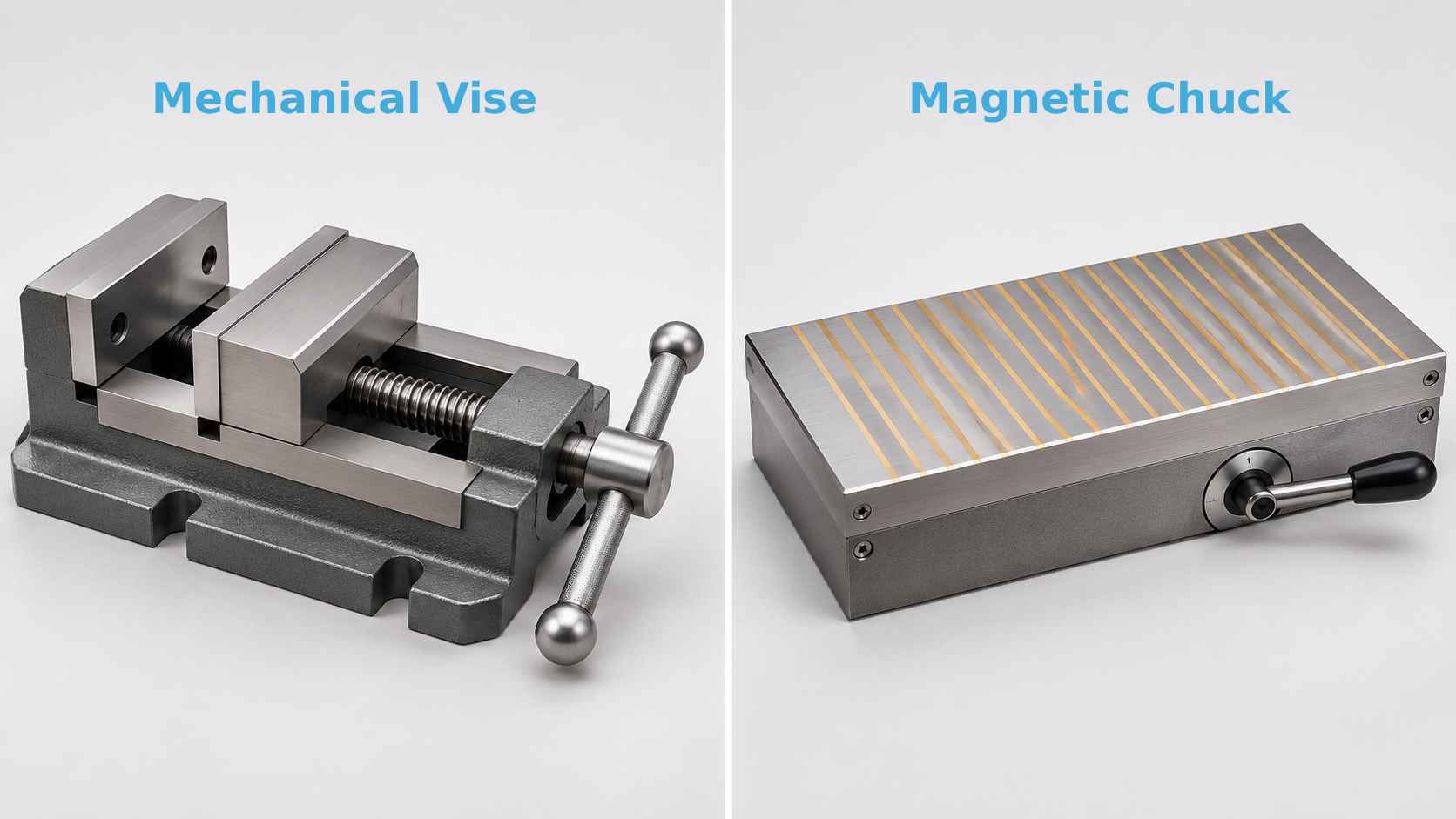
Magnetic chucks are widely used in metalworking to hold steel and other ferromagnetic workpieces during grinding, milling, turning, drilling, and EDM. Unlike traditional mechanical clamps, they hold workpieces using magnetic force, leaving more space for cutting tools and making workpiece setup easier.
But what is a magnetic chuck used for, and which machining applications benefit most from magnetic workholding?
In this guide, you'll learn the common uses of magnetic chucks, the types of workpieces they can hold, their key benefits and limitations, and how to choose the right chuck for your machining needs.
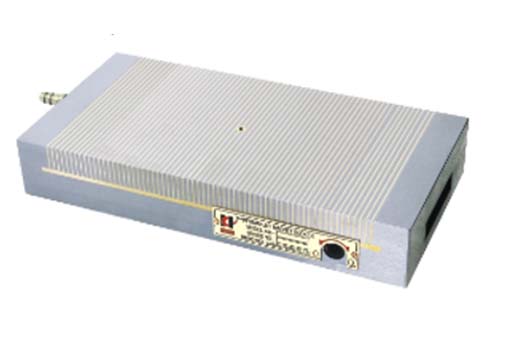
What Is the Main Purpose of a Magnetic Chuck?
The main purpose of a magnetic chuck is to hold ferromagnetic workpieces securely in place during machining without using traditional mechanical clamps. By applying magnetic force across the contact surface, it helps prevent workpiece movement while keeping the top and exposed sides accessible to cutting tools.
Magnetic chucks also make it easier to position, load, and remove suitable workpieces, especially during repeated machining operations. This can reduce setup time and improve machining efficiency.
5 Common Applications of Magnetic Chucks
Magnetic chucks are used in different machining operations to hold steel and other ferromagnetic workpieces. The right chuck depends on your machining process, workpiece size, and required holding force. Below are five common applications of magnetic chucks in metalworking.
1. Surface Grinding
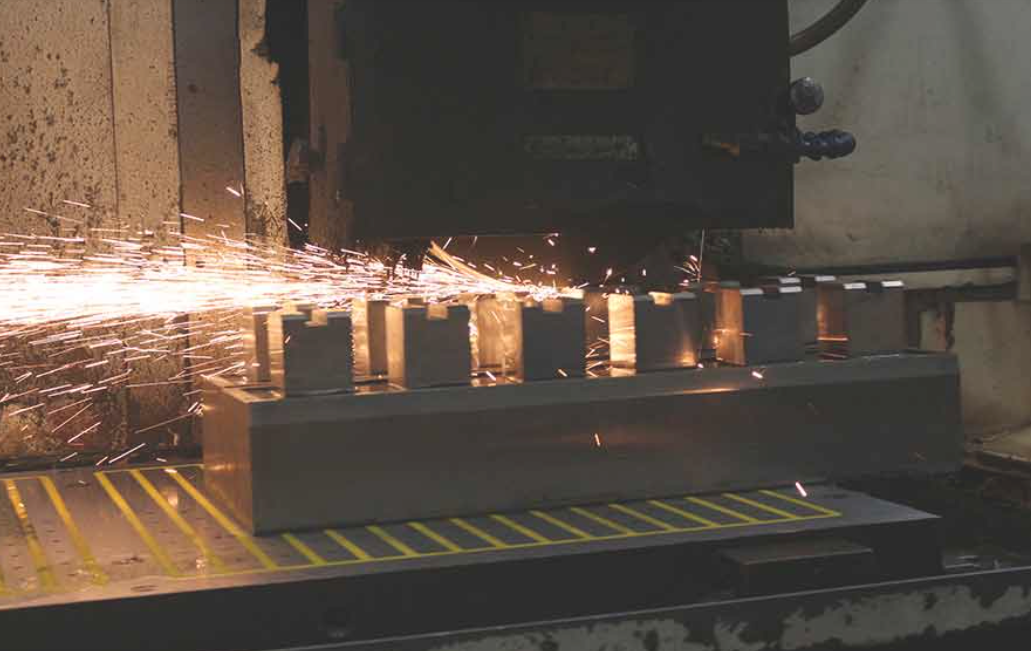
Surface grinding is one of the most common applications of magnetic chucks. You can use them to hold steel plates, precision blocks, dies, and small metal components while the grinding wheel removes material from the surface.
Amagnetic chuck keeps the top of your workpiece accessible without mechanical clamps interfering with the grinding wheel. You can also position multiple suitable workpieces on the same chuck for batch grinding.
Choosing the correct magnetic pole layout helps you maintain stable workholding and consistent grinding results. Fine-pole magnetic chucks are often suitable for small or thin parts, while larger workpieces may require different pole spacing.
2. CNC Milling
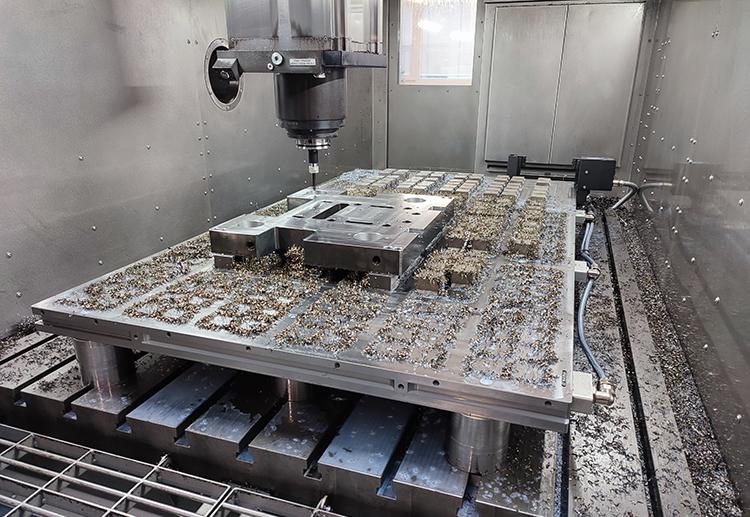
In CNC milling, magnetic chucks are used to secure mold bases, steel plates, and other ferromagnetic components during machining.
Unlike conventional clamps, magnetic workholding reduces the need to reposition clamping hardware during machining. This can simplify your setup and reduce interruptions between operations.
Electro-permanent magnetic chucks are commonly used for suitable CNC milling applications because they maintain holding force without continuous electrical power. However, you must account for sideways cutting forces. Mechanical stops, pole extensions, or additional supports may be needed to prevent workpiece movement.
3. Turning
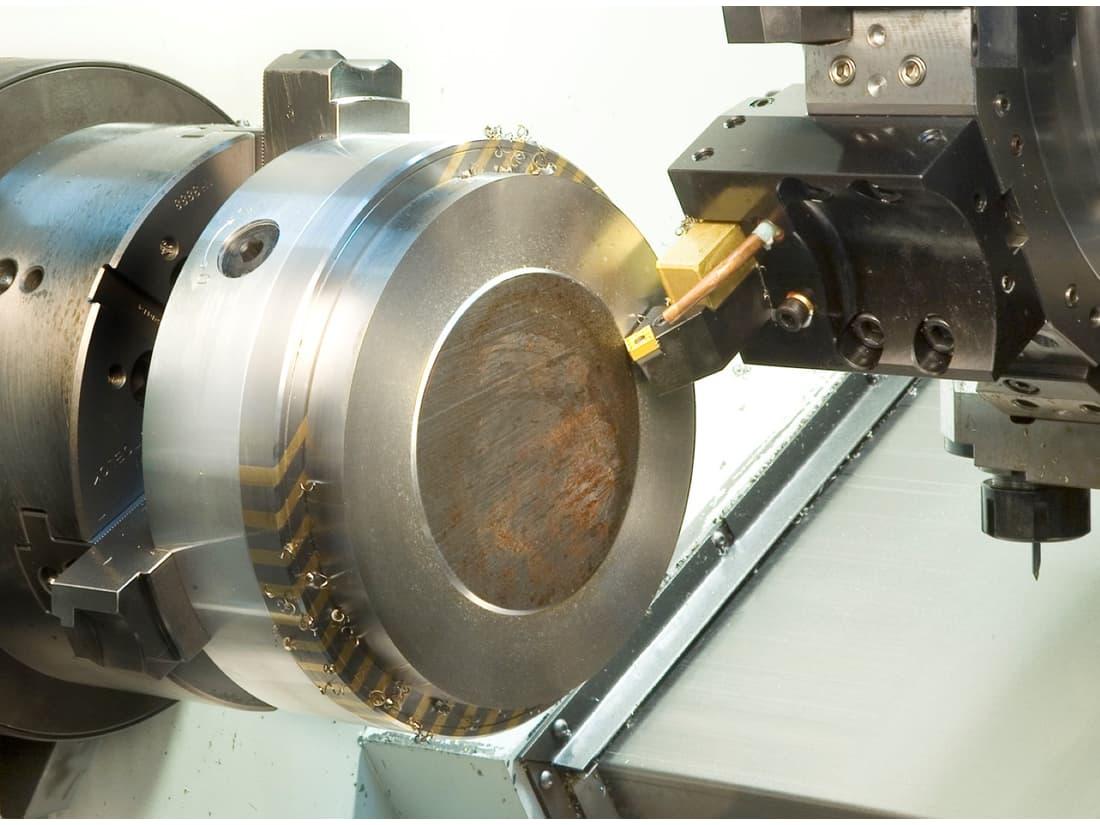
Lathes use round magnetic chucks to hold steel discs, rings, flanges, and other suitable circular workpieces. For example, when machining a steel ring, a circular magnetic chuck can hold the part against its face while leaving the outer edge accessible to the cutting tool.
Magnetic workholding can also reduce localized clamping marks on suitable components. However, you need to check the chuck's rated rotational speed, available holding force, workpiece balance, and expected cutting loads before machining.
4. Drilling
Magnetic chucks can hold suitable steel plates, blocks, and other ferromagnetic parts during drilling operations. They provide a clear working area without conventional clamps covering the drilling positions.
This can be useful when you need to drill multiple holes across a large steel plate or work with parts that are difficult to secure using standard fixtures. Magnetic clamping may also simplify repeated loading and unloading.
However, drilling produces downward thrust and rotational forces that can cause the workpiece to shift. You should check the available holding force and use positioning stops or additional supports when required.
5. EDM and Precision Machining
Magnetic chucks are also used in electrical discharge machining (EDM) and other precision machining processes to secure small steel parts, thin plates, and mold components.
Their low-profile design allows you to access more of the workpiece without bulky mechanical clamps. This can be helpful when machining detailed features or working with limited space around the part.
Fine-pole magnetic chucks are often suitable for smaller workpieces because their closer pole spacing can provide more effective magnetic contact. For EDM applications, you should also confirm that the chuck is compatible with the machining process and provides sufficient holding force for your workpiece.
What Types of Workpieces Can a Magnetic Chuck Hold?
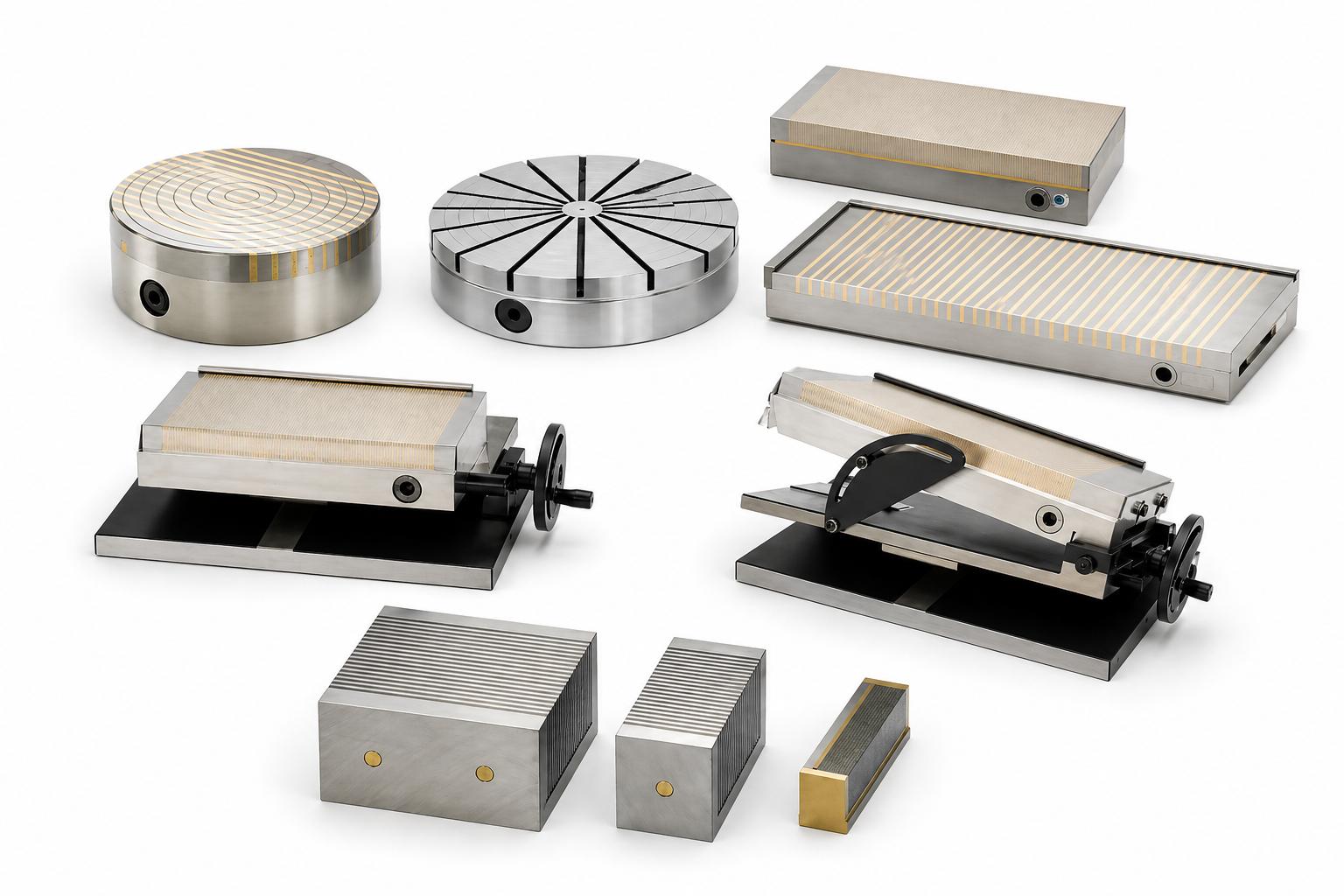
Magnetic chucks are mainly used to hold ferromagnetic workpieces made from carbon steel, cast iron, and certain magnetic stainless steels. You can use them for flat plates, precision blocks, round components, and some irregularly shaped parts. However, the workpiece must have enough magnetic contact area to provide reliable holding force.
The table below shows common workpieces and their typical applications.
Workpiece Type | Common Applications | Key Considerations |
|---|---|---|
Steel Plates | Surface grinding, CNC milling | Thickness, flatness, and contact area |
Small Steel Blocks | Precision grinding, EDM | Pole spacing and workpiece size |
Mold Bases | CNC milling, mold machining | Cutting forces and additional support |
Steel Rings and Discs | Turning, face machining | Contact area, balance, and rotational speed |
Long Steel Profiles | Grinding, milling | Workpiece length and support |
Irregular Steel Parts | Custom machining | Contact surface and positioning |
For thin, small, or irregular workpieces, you may need a fine-pole magnetic chuck, pole extensions, or a custom fixture. Always check the material's magnetic properties and the available holding force before machining.
What Are the Benefits of Using a Magnetic Chuck?
Magnetic chucks offer several advantages over traditional mechanical clamps, especially when you need better tool access, faster setup, or more flexible workholding.
1. Better Tool Access
Magnetic chucks hold workpieces from below without mechanical jaws or clamps blocking the top surface. This gives your cutting tools better access to the workpiece and can reduce repositioning during multi-side machining.
2. Faster Workpiece Setup
You can secure and release suitable workpieces without repeatedly tightening or loosening mechanical clamps. This helps reduce setup time, especially when machining multiple parts or handling frequent workpiece changes.
3. Less Localized Clamping Pressure
Mechanical clamps apply pressure at specific contact points, which can leave marks or deform thin workpieces. Magnetic chucks distribute attraction across the effective contact area, reducing concentrated clamping pressure. However, workpiece flatness and magnetic holding force still need to be considered.
4. Flexible Workholding for Different Parts
Magnetic chucks can accommodate workpieces of different sizes and shapes without requiring a dedicated mechanical fixture for every part. With suitable pole layouts, pole extensions, or custom designs, you can adapt magnetic workholding to a wider range of machining requirements.
When Should You Not Use a Magnetic Chuck?
Magnetic chucks are useful for many machining operations, but they are not suitable for every workpiece or cutting condition. You should avoid using a magnetic chuck in the following situations:
Non-Magnetic Materials: Magnetic chucks cannot directly hold materials such as aluminum, copper, and most austenitic stainless steels effectively. These materials usually require mechanical clamps or other workholding methods.
Insufficient Contact Area: Very small, uneven, or irregularly shaped workpieces may not provide enough contact with the magnetic poles. Large air gaps can reduce holding force and make clamping unreliable.
Excessive Cutting Forces: Heavy milling or drilling can produce strong sideways forces and torque. If the magnetic chuck cannot resist these forces, the workpiece may shift or slip during machining. Additional mechanical stops may help, but some operations require a different clamping method.
Unsuitable Workpiece Geometry: Parts with curved surfaces, deep recesses, or limited flat contact areas may be difficult to hold securely. Special pole extensions or custom fixtures may be needed.
Before machining, you should confirm that the magnetic chuck provides enough holding force for your workpiece and cutting conditions.
How to Choose a Magnetic Chuck for Your Application
Choosing the right magnetic chuck starts with your machining process and workpiece requirements. Different applications need different holding forces, pole layouts, and control methods. The table below shows common magnetic chuck options for each machining process.
Machining Application | Recommended Magnetic Chuck | Key Considerations |
|---|---|---|
Surface Grinding | Workpiece thickness, flatness, and pole spacing | |
CNC Milling | Cutting forces, holding force, and workpiece support | |
Turning | Round Magnetic Chuck | Rotational speed, balance, and contact area |
Drilling | Permanent / Electro-Permanent Chuck | Drilling thrust, torque, and positioning |
EDM | Fine-Pole Magnetic Chuck | Workpiece size, magnetic contact, and EDM compatibility |
If you're unsure which type fits your application, Magwork can help you evaluate your workpiece drawings, machining conditions, and equipment specifications to find a suitable standard or custom magnetic chuck solution.
FAQs
1. Can a magnetic chuck hold non-magnetic materials?
No. Standard magnetic chucks cannot directly hold non-magnetic materials such as aluminum, copper, and most austenitic stainless steels. You would need a suitable mechanical fixture or another workholding method.
2. Can magnetic chucks be used for heavy milling?
Yes, but only when the magnetic chuck and workholding setup can withstand the expected cutting forces. For heavy milling, you may need mechanical stops or additional supports to prevent the workpiece from sliding or lifting.
3. Can you hold multiple workpieces on one magnetic chuck?
Yes. You can hold multiple steel parts on one magnetic chuck if each part has sufficient magnetic contact area and holding force. This is common in surface grinding, where several small workpieces can be machined in one setup.
4. Do magnetic chucks damage the workpiece surface?
Magnetic chucks generally reduce the risk of clamping marks because they do not apply concentrated mechanical pressure. However, metal chips, dirt, or rough contact surfaces can still cause scratches. Keep the chuck and workpiece surfaces clean before clamping.
5. Can a magnetic chuck be customized for irregular workpieces?
Yes. Magnetic chucks can be customized with different pole layouts, dimensions, mounting methods, and pole extensions to hold irregular workpieces. The design depends on your workpiece material, contact area, shape, and machining requirements.
Conclusion
Magnetic chucks are widely used in grinding, milling, turning, drilling, and EDM to hold ferromagnetic workpieces without traditional mechanical clamps. They can improve tool access, simplify setup, and support efficient machining. However, choosing the right chuck depends on your workpiece material, size, contact area, and cutting forces.
Whether you need a standard magnetic chuck or a custom workholding solution, Magwork can help you select a suitable option based on your workpiece drawings, machine specifications, and machining requirements.