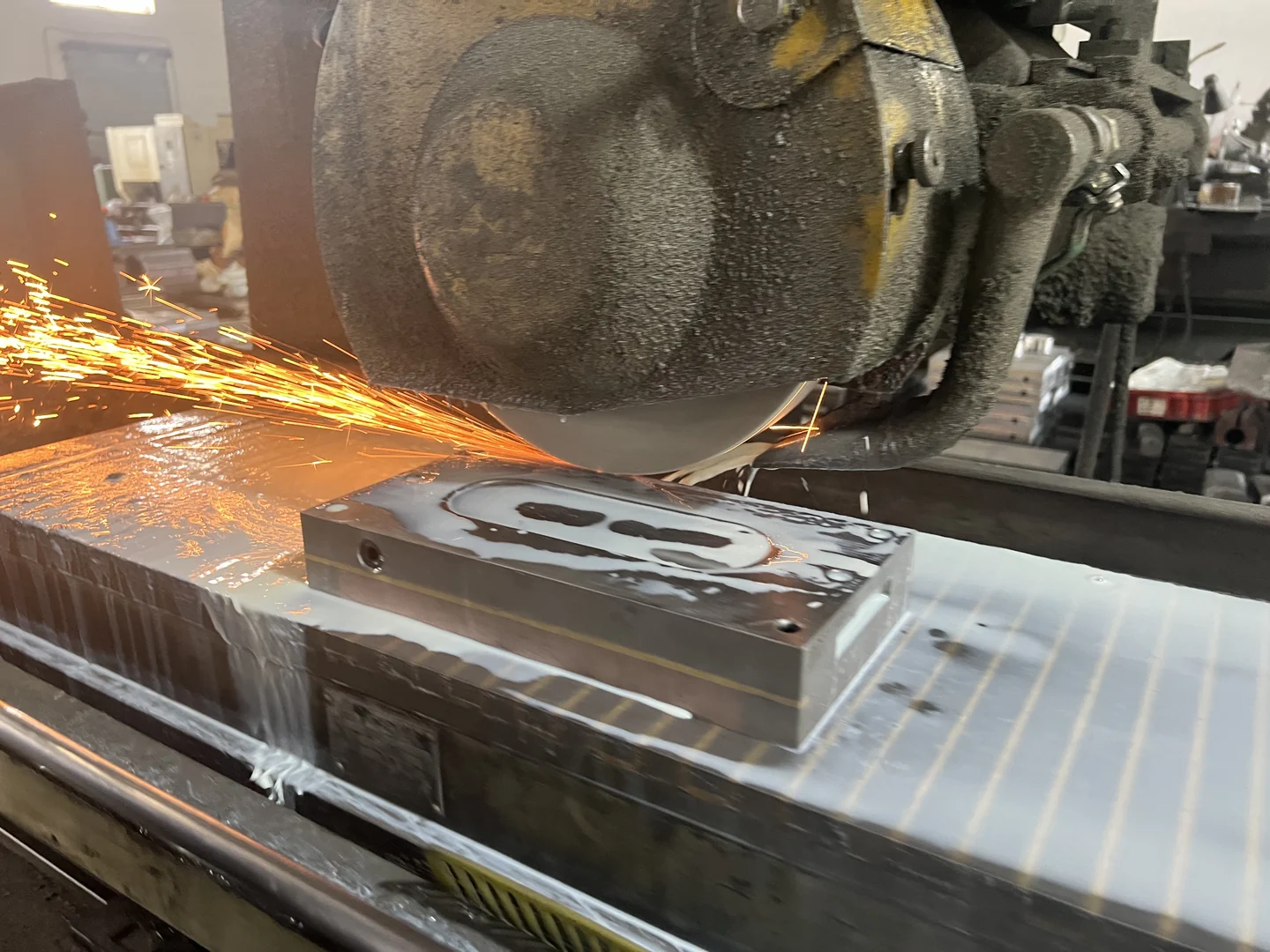
How to Choose a Magnetic Chuck for Surface Grinding Thin and Small Parts
Learn how material, pole pitch, contact area and support affect magnetic workholding for thin and small parts during surface grinding.
Read ArticlePractical insights for magnetic workholding
Learn how material, pole pitch, contact area and support affect magnetic workholding for thin and small parts during surface grinding.
Read ArticleReview contact area, cutting loads, pole extensions, CNC integration and inspection requirements before buying an electro-permanent milling chuck.
Read ArticleCompare permanent, electromagnetic and electro-permanent chucks by power, control, workpiece suitability and application requirements before buying.
Read ArticleA practical guide to selecting the right magnetic chuck based on your workpiece, application and machining requirements.
Read ArticleKey differences, typical applications and how to choose the right technology for your production needs.
Read ArticleHow pole pitch affects clamping performance, workpiece support and machining results in practice.
Read ArticleKey information to share for a faster and more accurate recommendation from our engineering team.
Read ArticleSelection considerations for machining thin and delicate workpieces, with attention to contact and distortion.
Read ArticleKey considerations for choosing a magnetic chuck for milling applications, from material to cutting forces.
Read ArticleHow to evaluate contact area, flatness and part geometry when reviewing magnetic workholding.
Read ArticleKey features and integration considerations when selecting an electromagnetic chuck control system.
Read ArticleDaily care, inspection and best practices to keep your magnetic chucks in reliable working condition.
Read ArticleTalk to our team about your workpiece, application and production goals.