Confirm the power unit and coil ratings.
ELECTROMAGNETIC CHUCK / ENGINEERED WORKHOLDING
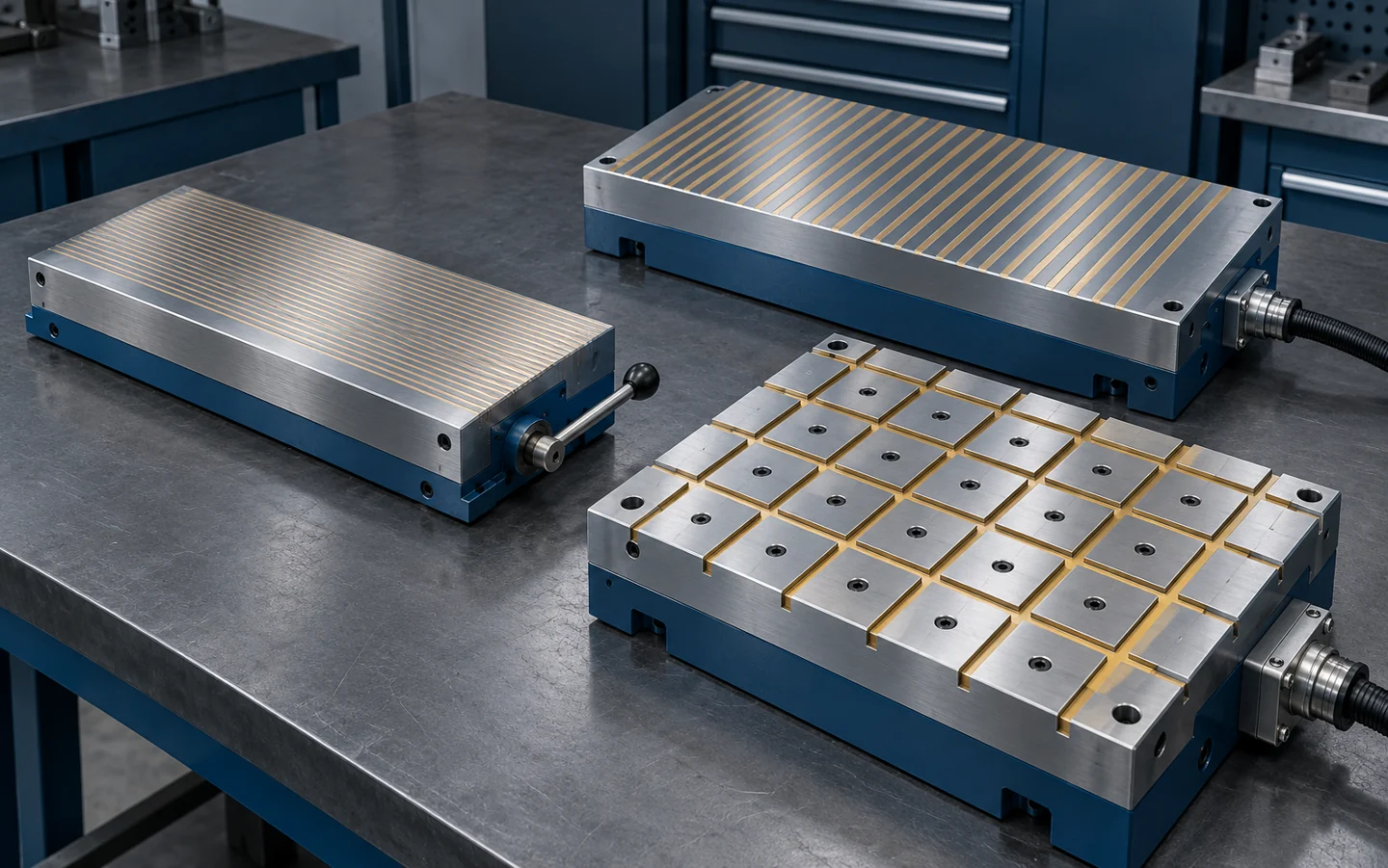
Electromagnetic Magnetic Chucks
Precise Control. Trusted Contact.
Adjustable magnetic workholding for precision grinding and controlled production cycles.
Controllable excitationThermal & power-off reviewPrecision grinding layouts
01 / PERMANENT MAGNETIC CHUCK
Electromagnetic Chucks for Precision Workholding
Adjustable magnetic workholding for precision grinding and controlled production cycles.

Holding conceptA magnetic circuit provides holding force through a suitable ferromagnetic workpiece.
02 / HOW IT WORKS
How Does an Electromagnetic Chuck Work?
For an electromagnetic design, the magnetic field depends on energized coils. Electrical supply, controller rating, heating and a safe response to loss of power all affect the installation.
Check coil duty cycle, power supply, temperature and power-off controls before selecting the holding solution.
01Excitation & controlThe part must be sufficiently magnetic; many non-ferrous materials cannot be held directly.
02Temperature & dutyFlatness, surface condition and effective pole coverage affect real holding performance.
03Safe handlingCutting loads and lift or sliding forces must be checked before selection.
ENGINEERING FEATURE / POWER & CONTROL
Current, temperature, contact.
One holding decision.
Electrical integration should be evaluated together with the workholding layout. Document the machine supply, cable routing, controller interface and protective operating sequence.
Review long-cycle heating and stability.
Define a safe machine response to loss of current.
 PRECISION GRINDING / CONTROLLED EXCITATION
03 / PERMANENT CHUCK SELECTION
How to Choose an Electromagnetic Chuck for Grinding
Compare working-face dimensions with the smallest part in the range. Check pole pitch, the contact footprint and operating duty before deciding on electrical configuration.
CONTROL & HOLDING REVIEW01 / 03
Fine-pole grinding configuration
Start with part geometry, holding contact and process forces. The final solution still needs engineering review.
Illustrative selection guidance only. It does not confirm magnetic holding force, safety or compatibility without workpiece data and application testing.
Electromagnetic configurations
Representative configurations for engineering review. Dimensions and performance must be confirmed for the real workpiece.
CONCEPT PM-01Small workpiece contact
Fine-Pole Grinding Face
- Pole layout
- Fine / micro pole concept
- Applications
- Grinding · Inspection
 CONCEPT PM-02
General grinding
Standard-Pole Grinding Face
- Pole layout
- Standard pole concept
- Applications
- Grinding · Inspection
 CONCEPT PM-03
Thin ferrous pieces
Micro-Pole Precision Face
- Pole layout
- Fine / micro pole concept
- Applications
- Grinding · Inspection
 CONCEPT PM-04
Long grinding beds
Long-Bed Magnetic Face
- Pole layout
- Standard pole concept
- Applications
- Grinding · Inspection
CONCEPT PM-05Larger workpieces
Heavy-Duty Excitation Face
- Pole layout
- Standard pole concept
- Applications
- Grinding · Milling
 CONCEPT PM-06
Rotary grinding
Circular Electromagnetic Face
- Pole layout
- Circular pole concept
- Applications
- Grinding · Inspection
 CONCEPT PM-07
Circular workpieces
Round Precision Face
- Pole layout
- Circular pole concept
- Applications
- Grinding · Inspection
CONCEPT PM-08Machine clearance
Low-Profile Electric Face
- Pole layout
- Fine / micro pole concept
- Applications
- Grinding · Inspection
CONCEPT PM-09Zone selection
Controlled Multi-Zone Face
- Pole layout
- Custom pole arrangement
- Applications
- Grinding · Inspection
 CONCEPT PM-10
Made-to-fit electrical design
Custom Coil & Pole Fixture
- Pole layout
- Custom pole arrangement
- Applications
- Grinding · Inspection · Milling
No direct configuration match.
Try a broader filter, or submit your workpiece for a custom engineering review.
YOUR CURRENT STARTING POINTCustom design is always available
Share your drawing if none of these starting configurations fits your machine or part.
These are illustrative configuration families, not published product specifications. Actual models, dimensional limits and measured holding force must be confirmed from verified technical documentation. Magnetic holding suitability requires engineering review.
 APPLICATION-LED ENGINEERING
04 / CUSTOM ENGINEERING
Design the chuck.
Control the electrical system.
Design the pole face, winding, cable routing, control unit and thermal management around the machine and duty cycle.
01Pole geometryMatch part contact, air gap and pole area.
02Coil & currentReview electrical load and excitation control.
03Thermal designEvaluate duty cycle and temperature control.
04Risk controlsConfirm safe response to power interruption.
05 / APPLICATION REFERENCES
Grinding conditions.
Control decisions.
For long-bed or precision grinding, field control may be useful where a powered system is acceptable. Thin blanks, larger plates and special tables need separate contact evaluation.
APPLICATION / PRECISION SURFACE GRINDING
Thin steel plate holding
Grinding accuracy, controlled field and repeatable release.
Case scenariosClick a case to update the left display
PRECISION SURFACE GRINDINGThin steel plate holdingGrinding accuracy, controlled field and repeatable release.LONG-BED GRINDINGLarge flat componentsField uniformity and thermal duty for long cycles.CIRCULAR GRINDINGDisc-shaped workpiecesCircular pole design and workpiece contact.SPECIAL ELECTRIC FIXTURENon-standard machine tableCustom wiring, pole geometry and electrical protection.06 / ORDER & PROJECT PROCESS
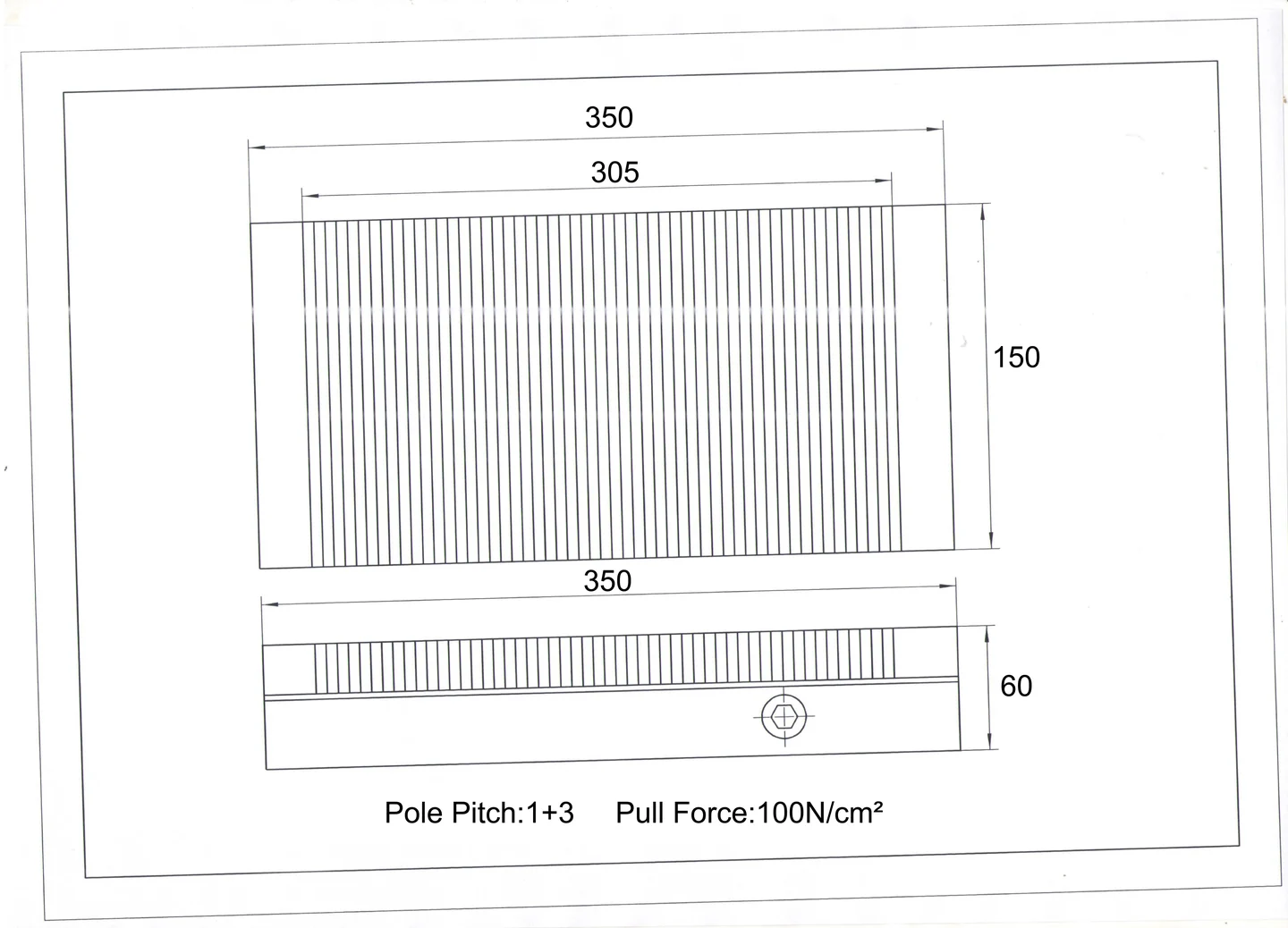
From your drawing
to a ready-to-use chuck.
Project approval should capture electrical supply and controller requirements before the body and coils are built. Production follows only after drawings and acceptance checks are agreed.
01
Requirements & Drawing
Send the workpiece geometry, material, machine model and machining operation.

02
Electrical Feasibility
Check magnetic suitability, contact area, force direction and part constraints.
03
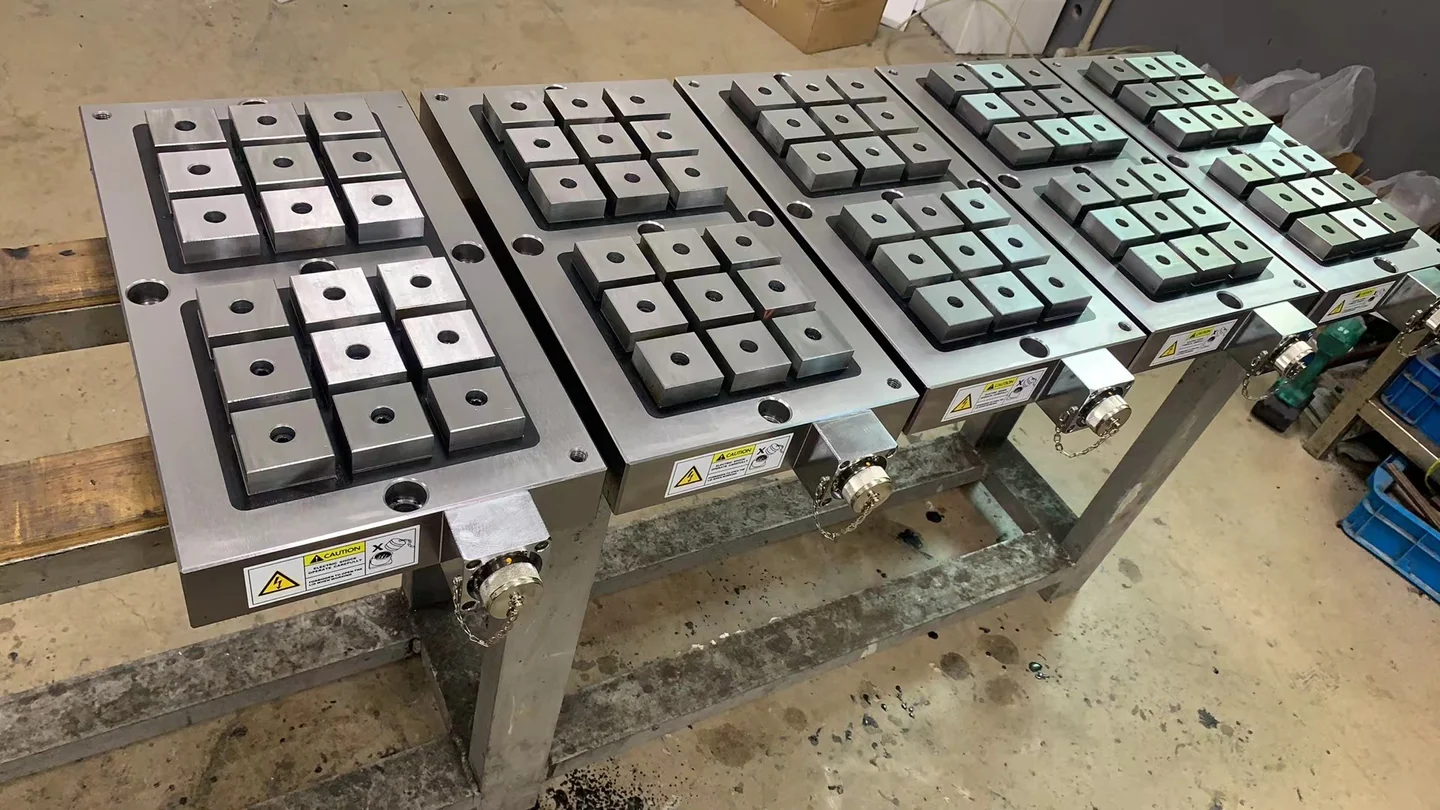
Controller Proposal
Review chuck layout, mounting method, working face and support concept.
04
Drawing Sign-Off
Confirm dimensions, structure details and the final technical requirements.
05
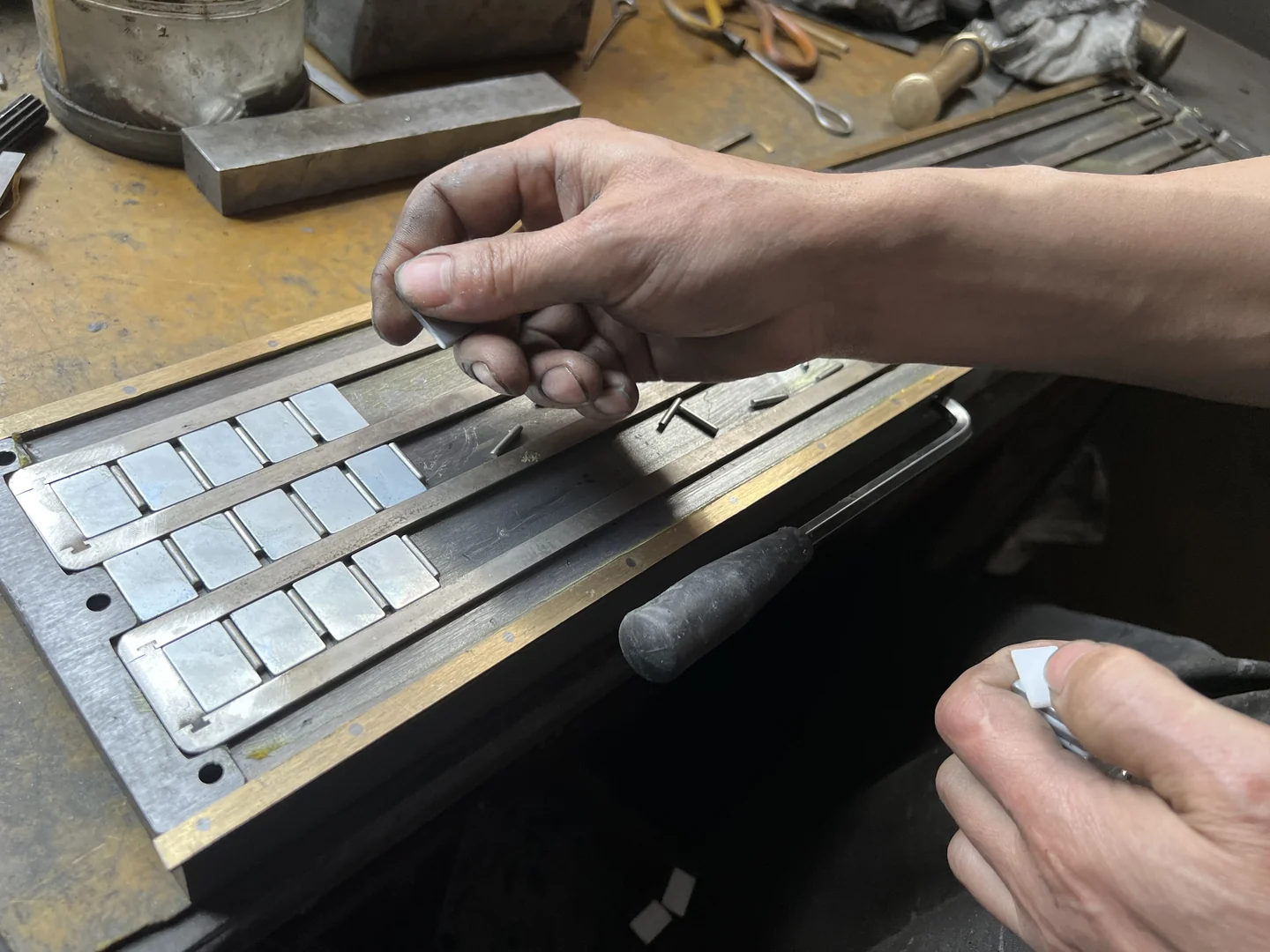
Coil & Body Build
Machine the key parts, assemble the magnetic structure and prepare for inspection.
06
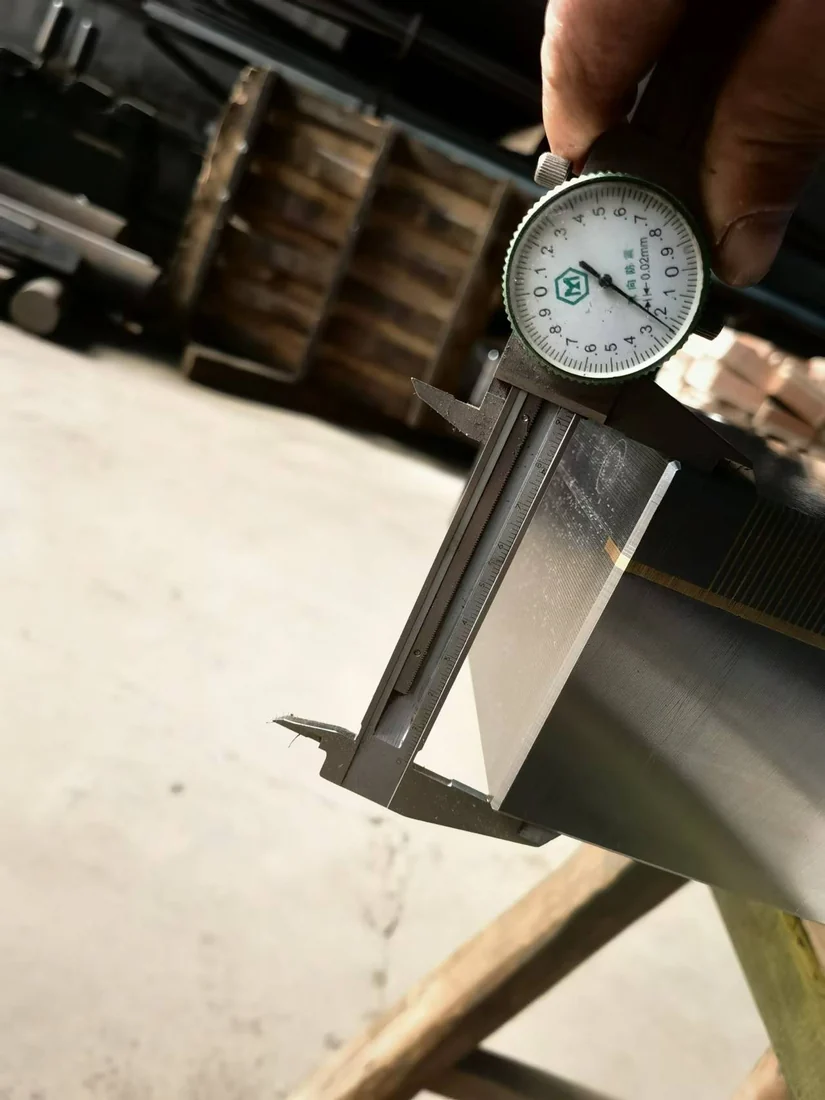
Electrical & Magnetic QA
Check dimensions, appearance, function and agreed magnetic testing conditions.
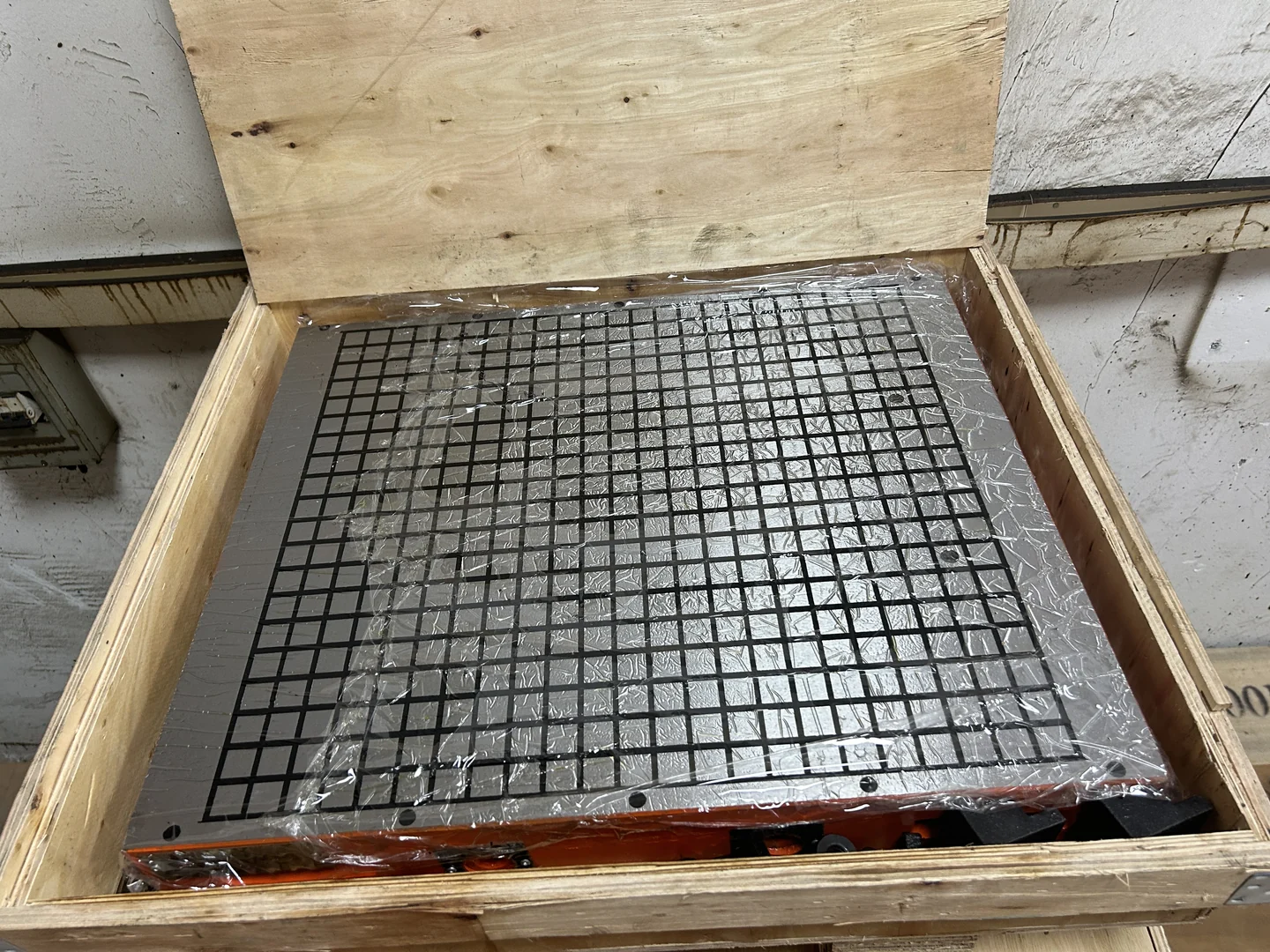
07
Packing & Documents
Protect the working face, prepare labels and include agreed reports or documents.
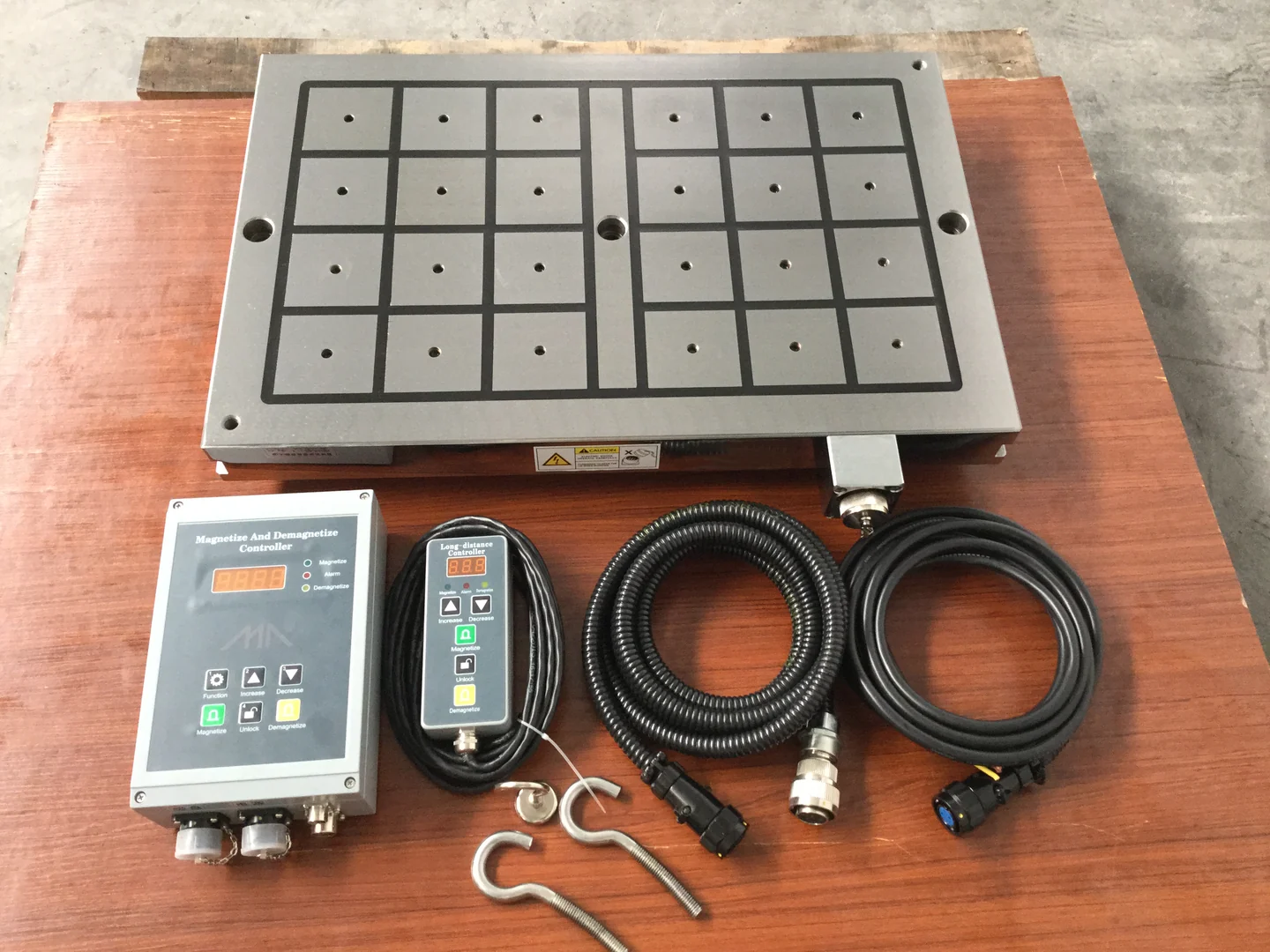
08
Delivery & Support
Arrange shipment and stay available for installation, operation and follow-up support.
START WITH A DRAWING, EVEN IF YOU HAVE NOT CHOSEN A CHUCK MODEL.
07 / ENGINEERING & TECHNICAL SUPPORT
APPLICATION-LED SUPPORTSupport from the coil
to the grinder.
Support covers connection guidance, model-specific operating information and troubleshooting of electrical controls. Avoid changing wiring or coil duty without qualified review.
Excitation System Review
Review supply voltage, current control and electrical integration.
Thermal & Duty Review
Check temperature rise and planned operating schedule.
Electrical Safety Planning
Discuss power interruption and emergency handling.
Maintenance Support
Support wiring, coil and surface inspection.
08 / WORKSHOP & EQUIPMENT
Machining meets
electrical assembly.
Manufacture typically includes base and pole machining, coil preparation and insulation, assembly, potting or sealing where specified, surface finishing and inspection.

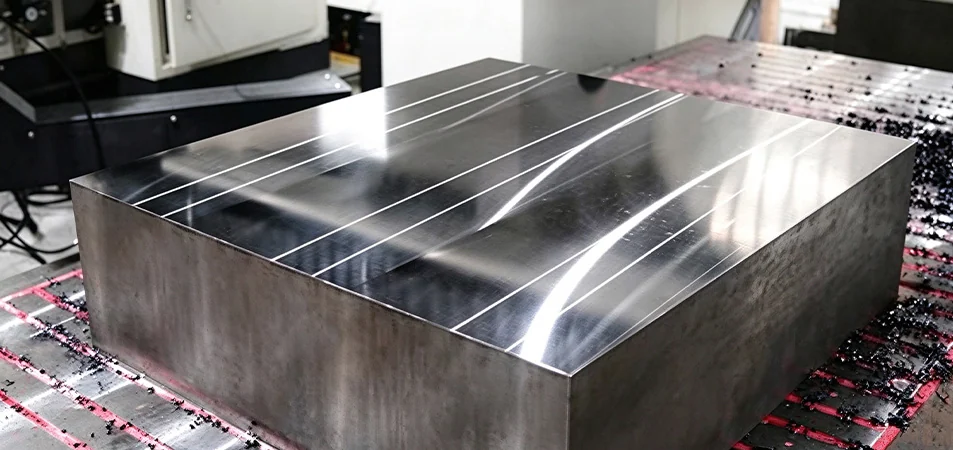
Have a special chuck size, mounting interface or holding layout? We can review your drawing before defining the production approach.
09 / TESTING & DOCUMENTATION
Watch the test.
Review the records.
Electrical checks should cover coil resistance, insulation, connections and safe behavior under the intended supply; magnetic performance and geometry are checked separately.
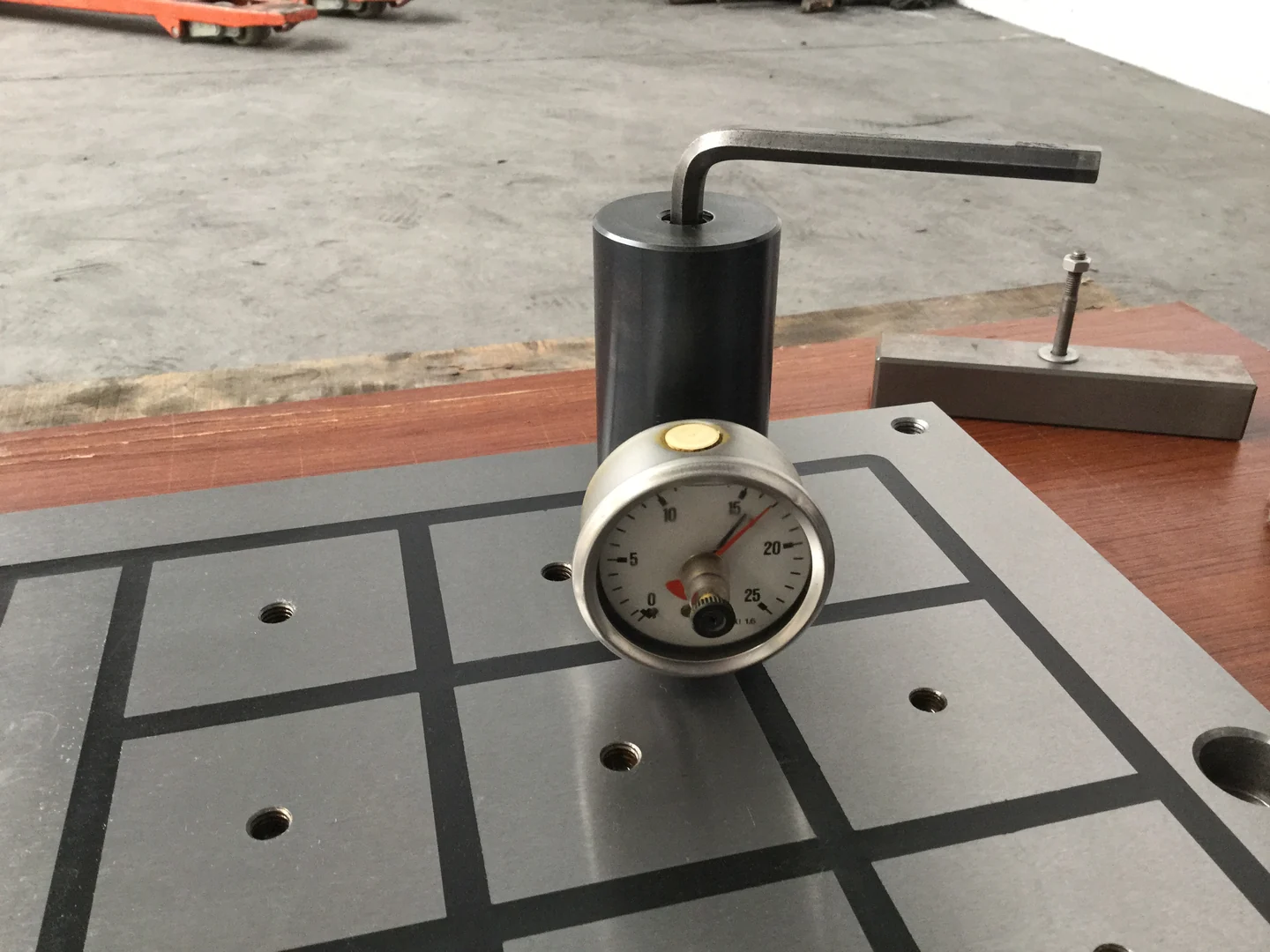
VIDEO / TESTING DEMONSTRATION
Electromagnetic Chuck Verification
Electrical insulation, coil resistance, working temperature, magnetic performance and power-loss safeguards.
Reports & Certifications4 document positions
01ELECTRICAL TESTDOCUMENT SLOT
Holding Force Test
Test setup, conditions and results.
02TEMPERATURE CHECKDOCUMENT SLOT
Magnetic Field Check
Measurement method and locations.
03MAGNETIC CHECKDOCUMENT SLOT
Dimensional Inspection
Critical sizes and surface checks.
04DIMENSIONAL REPORTDOCUMENT SLOT
Certificate / QC Record
Insert an applicable issued document.
Template only: upload real MP4 footage and replace each report slot with a verified, publishable document. No certificate or measurement result is implied by these placeholders.
10 / MACHINING APPLICATIONS
Electromagnetic Chuck Applications in Precision Machining

11 / CARE & MAINTENANCE
Keep electrical control healthy.
Protect precision.
Keep cables and connectors protected from coolant and abrasion. Inspect electrical components, clean the working face and follow the specified shutdown and maintenance procedure.
01Clean the pole faceRemove chips and residue.
02Inspect wiringCheck cables and insulation condition.
03Review temperatureWatch for abnormal heat and duty changes.
04Test safe responseFollow approved power-loss and release checks.

12 / FREQUENTLY ASKED QUESTIONS
Electromagnetic Chuck FAQs
These questions address electrical operation, holding limits, integration and maintenance for a powered magnetic workholding setup.
01Are you a manufacturer or a trading company?+
MAGWORK coordinates electromagnetic workholding selection, drawing review, manufacturing arrangements and inspection with production partners. Confirm the actual manufacturing party, documentation and responsibility for your order before approval.
Can electromagnetic chucks be customized?
Design the pole face, winding, cable routing, control unit and thermal management around the machine and duty cycle.
03How long does production and delivery take?+
Lead time varies with chuck dimensions, coil and controller specification, material sourcing, machining, inspection and shipment. Request a delivery schedule tied to the approved drawing rather than a generic date.
04What testing and reports can you provide?+
Depending on the order, agreed checks may include dimensional inspection, coil continuity or resistance, insulation testing, magnetic holding checks and operational switching. Ask for the test conditions and actual records for the supplied unit.
Can electromagnetic holding force be adjusted?
Electrical insulation, coil resistance, working temperature, magnetic performance and power-loss safeguards. Specific design and operating limits need review against the actual machine and workpiece.
What happens if electricity is interrupted?
Electrical insulation, coil resistance, working temperature, magnetic performance and power-loss safeguards. Specific design and operating limits need review against the actual machine and workpiece.
Why might an electromagnetic chuck become warm?
Electrical insulation, coil resistance, working temperature, magnetic performance and power-loss safeguards. Specific design and operating limits need review against the actual machine and workpiece.
Have an unusual part or machine interface?
YOUR PART. YOUR MACHINE. YOUR SOLUTION.
Need a Custom Electromagnetic Chuck?
For a custom powered magnetic fixture, the machine supply and controller requirements should be discussed together with the workpiece and machining task.
13 / TECHNICAL READING
 Permanent vs. Electromagnetic vs. Electro-Permanent