
Wide flat steel plates
Review working face coverage, support and repeatable positioning across the length. For surface grinding, confirm support, magnetic contact and machine access against the drawing before treating this as a usable configuration.
Magnetic workholding for surface grinding is useful only when the workpiece has sufficient ferromagnetic contact and the fixture can manage the machining load. This page focuses on flatness, pole pitch and part thickness, rather than a single catalog holding-force rating.
The most useful starting point is the workpiece rather than a headline magnetic-force rating. For surface grinding, compare thin plates, mold inserts and precision-ground tool steel. Confirm flatness, thickness, fine-pole contact, coolant and demagnetization. The outcome may be a standard chuck, a supported custom fixture or a recommendation not to use magnetic holding.

Engineering for surface grinding begins with fine-pole layout and distributed contact. Workpiece geometry and actual machine travel define the fixture outline; the magnetic pole arrangement must then be evaluated within that structure.
Review working face coverage, support and repeatable positioning across the length. For surface grinding, confirm support, magnetic contact and machine access against the drawing before treating this as a usable configuration.

Review fine-pole suitability, contact and the placement of multiple small parts. For surface grinding, confirm support, magnetic contact and machine access against the drawing before treating this as a usable configuration.

Check the loading method, support distribution and safe release after grinding. For surface grinding, confirm support, magnetic contact and machine access against the drawing before treating this as a usable configuration.
For surface grinding, common workpiece categories include thin steel plates, hardened mold inserts and small precision blanks. They do not all need the same magnetic face. Each setup should account for its own contact footprint, support requirements and machining envelope.

Discuss body dimensions, pole patterns, mounting interfaces, mechanical stops and workpiece-support features. For permanent chucks, assembly and grinding of the face are key production considerations.
Face-to-part coverage
Size and pole arrangement
Working-face finish
Demagnetization needs
Select the magnetic technology after defining flatness, pole pitch and part thickness. Compare permanent, electromagnetic and electro-permanent systems by their switching method, control needs, pole design and application limits—not by keyword or chuck size alone.
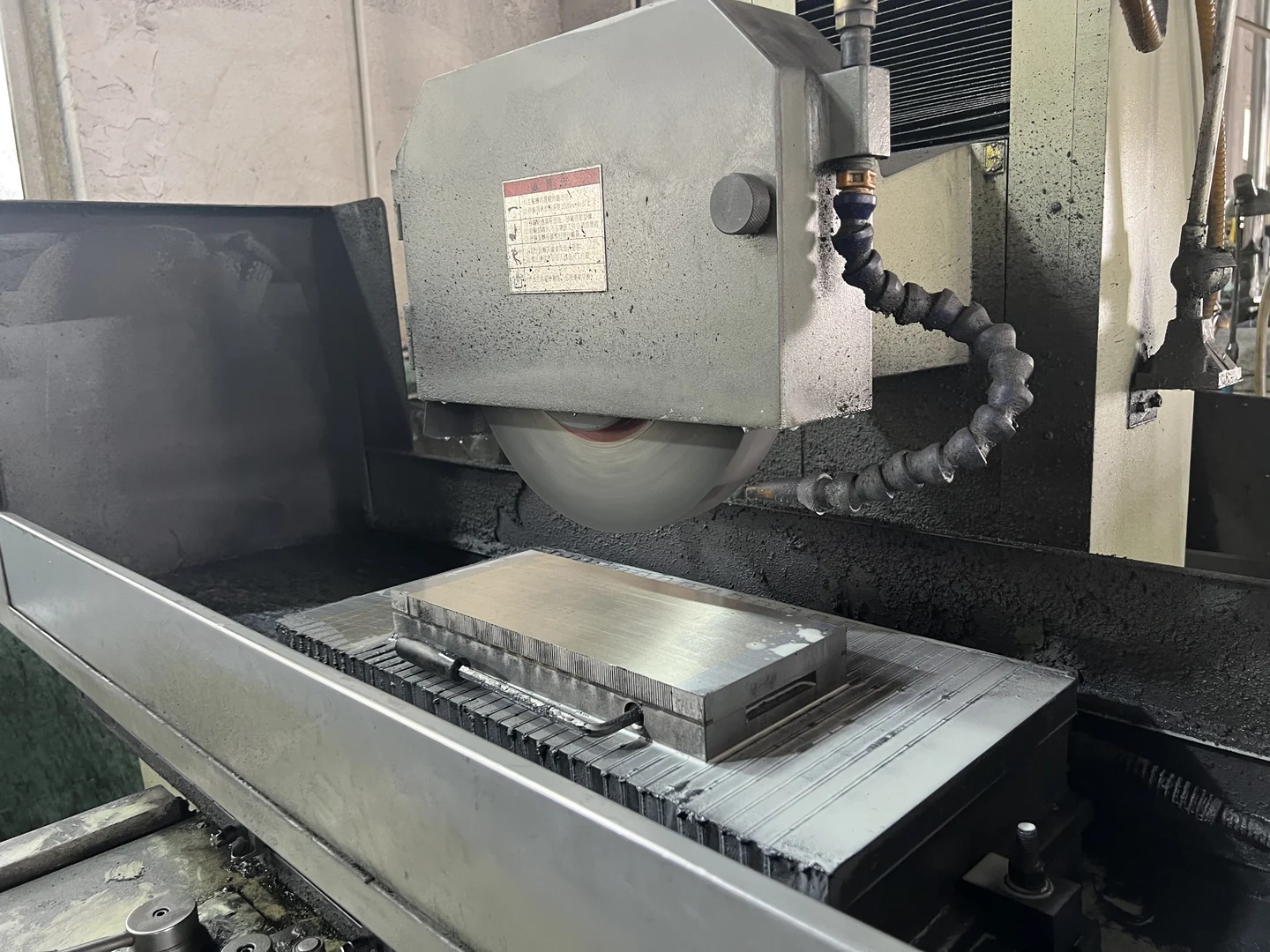
Reduce fixture obstruction when the contact face is suitable. For surface grinding, confirm support, magnetic contact and machine access against the drawing before treating this as a usable configuration.

Review pole coverage and individual part retention. For surface grinding, confirm support, magnetic contact and machine access against the drawing before treating this as a usable configuration.

Adapt the mounting footprint to the machine and workpiece. For surface grinding, confirm support, magnetic contact and machine access against the drawing before treating this as a usable configuration.
For surface grinding, common workpiece categories include thin steel plates, hardened mold inserts and small precision blanks. They do not all need the same magnetic face. Each setup should account for its own contact footprint, support requirements and machining envelope.
Small or narrow ferrous workpieces need a pole pitch matched to usable contact, not a claim that one pitch fits every part.
Check the actual underside of the part. Slots, ribs, scale and uneven faces reduce the effective area available for holding.
Consider grinding heat, distortion and how much stock is removed on each pass. A holding method should not introduce avoidable bending.
Consider whether a residual magnetic field could affect unloading, measurement or the next operation. A demagnetizing process may be needed.
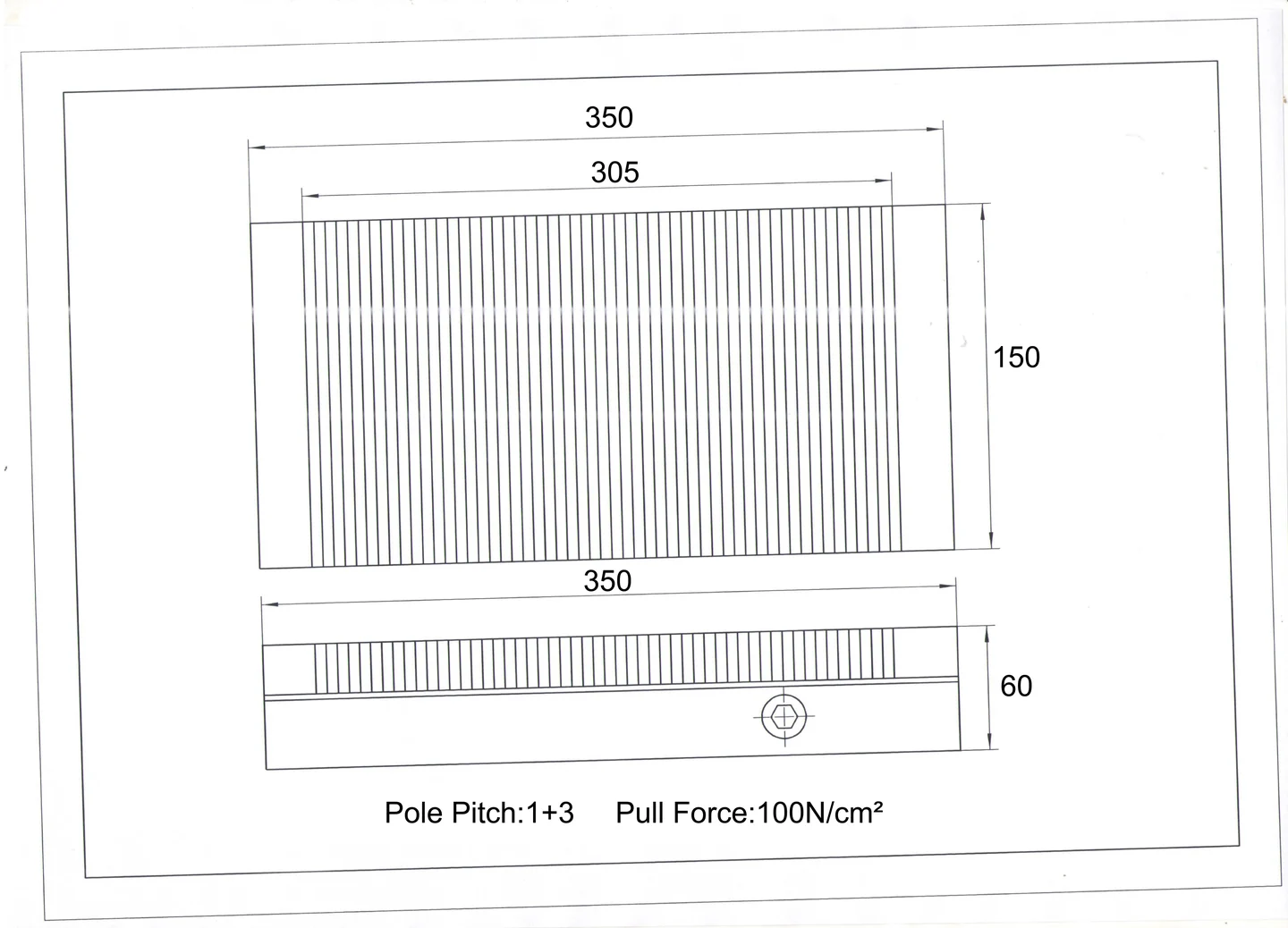 APPLICATION REVIEW / TECHNICAL REFERENCE
Acceptance for surface grinding should address the installed setup, not just a nominal pull-off figure. In particular, measure workface flatness and test magnetic holding under stated conditions. Record the actual test conditions and compare them with the agreed application limits.
For short or narrow parts, check pole engagement and the risk of parts tilting or being pulled across the face. Auxiliary stops or support plates may be necessary.
For thin ferromagnetic sheets, check thickness, stiffness, stock removal and temperature rise. Test the contact condition before relying on magnetic holding.
Compare the available systems against the actual operating method: permanent fine-pole, electrically controlled and electro-permanent systems, each selected for its operating conditions. Permanent chucks use mechanical magnetic switching, electromagnetic systems depend on continuous coil excitation, and electro-permanent systems use control pulses. Their safety, release and control requirements are not interchangeable.
Confirm the part drawing, material, thickness range, machine table, required working face and whether liquid coolant is used.
Review machining of the base and pole surfaces, magnet assembly, sealing method and finish grinding appropriate to the chosen chuck technology.
Request agreed checks for flatness, mounting dimensions, magnetic function and release. The acceptance method should be linked to the supplied configuration.
Choose a different holding method when magnetic contact is too small, the part is nonmagnetic, or contact area, grinding heat and distortion cannot be controlled. A mechanical restraint or completely different fixture may be safer than increasing the nominal magnet rating.
Often considered where a simple manual magnetic circuit is suitable. Check the required release method, face size, pole engagement and material condition.
Can offer electrically controlled holding, but the setup needs suitable power, controls and a review of heat, field behavior and machine wiring.
May suit systems requiring electrical switching but no continuous holding current. Confirm controller compatibility, poles and the actual job requirements.
Compare the working face, contact conditions, coolant exposure, required precision and service access—not only nominal pull force.
Acceptance for surface grinding should address the installed setup, not just a nominal pull-off figure. In particular, measure workface flatness and test magnetic holding under stated conditions. Record the actual test conditions and compare them with the agreed application limits.
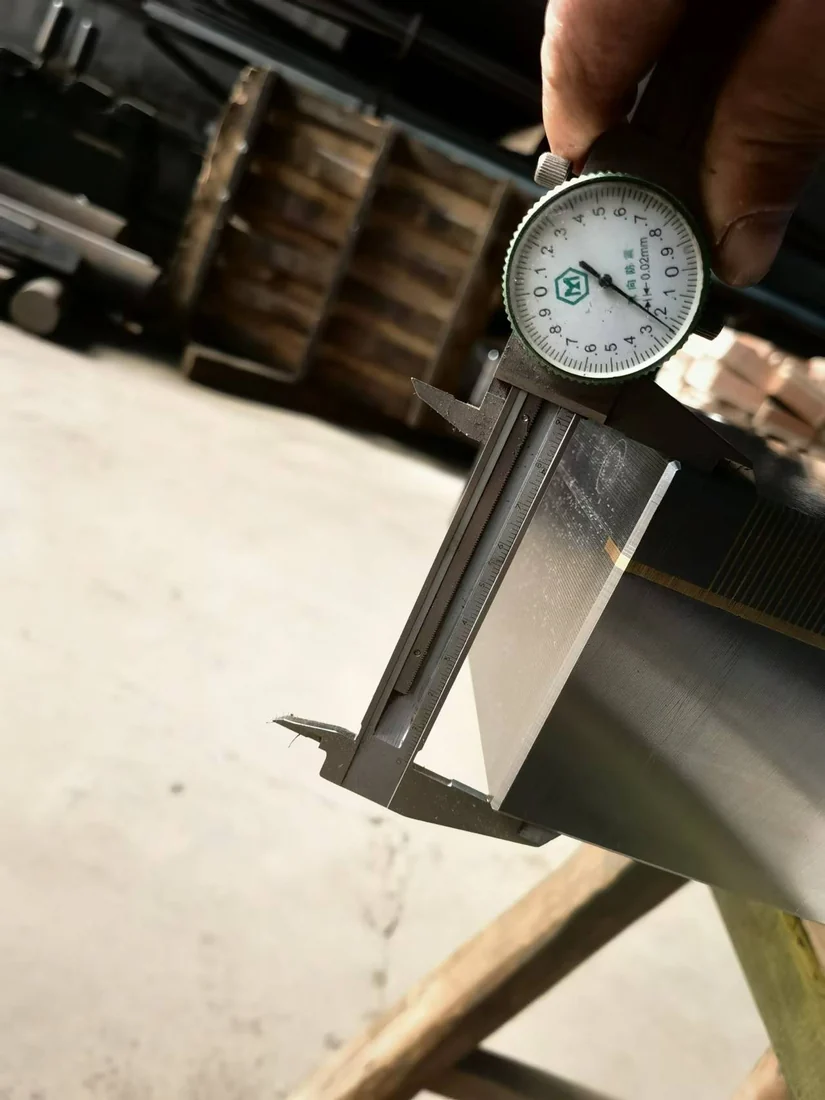
Check the actual chuck and its agreed method before acceptance.
Flatness, parallelism and mounting fit
Holding conditions and stated test method
Switching and residual magnetism
Inspection evidence agreed for the order
After choosing a provisional surface grinding fixture, confirm dimensions and acceptance points before production. The shipment should match the approved drawings, with available operating information for the actual magnetic system.
Drawing, material and machine details
Part and process feasibility
Holding structure and selection
Interface and acceptance criteria
Confirmed parts and components
Assembly, surface work and checks
Protective packing and documentation
Use, maintenance and questions
Answers to practical surface grinding fixture questions, including material compatibility, operating limits and the information needed to assess the setup.
They may, but thin parts offer less magnetic material and can distort under clamping or grinding forces. Check pole pitch, flatness, contact and a sample holding test.
Start with the smallest part footprint and minimum thickness. A fine-pole face may improve contact distribution for small steel parts, but it does not eliminate the need for support.
Send the steel grade, min/max dimensions, thickness, grinder model, surface-finish target, coolant use and loading method.
Ask about a fixture for surface grinding by sharing a representative workpiece and its most demanding machining condition. We can discuss whether magnetic workholding is practical before defining a specific design.