ABOUT MAGWORK / COMPANY OVERVIEW

Magnetic workholding solutions built around your parts.

Explore MAGWORK’s workholding product scope, application-led engineering approach and project coordination.

Discuss Your Project ↗
WHO WE ARE

Magnetic workholding, viewed through your application.

MAGWORK focuses on magnetic workholding solutions for steel-part machining and related tooling applications. We help you connect part requirements with a practical chuck or fixture configuration.

Our product scope covers permanent, electromagnetic and electro-permanent magnetic chucks. Where standard workholding does not fit, your part drawing, machine and process become the starting point for a custom design review.

Explore Engineering Capability ↗
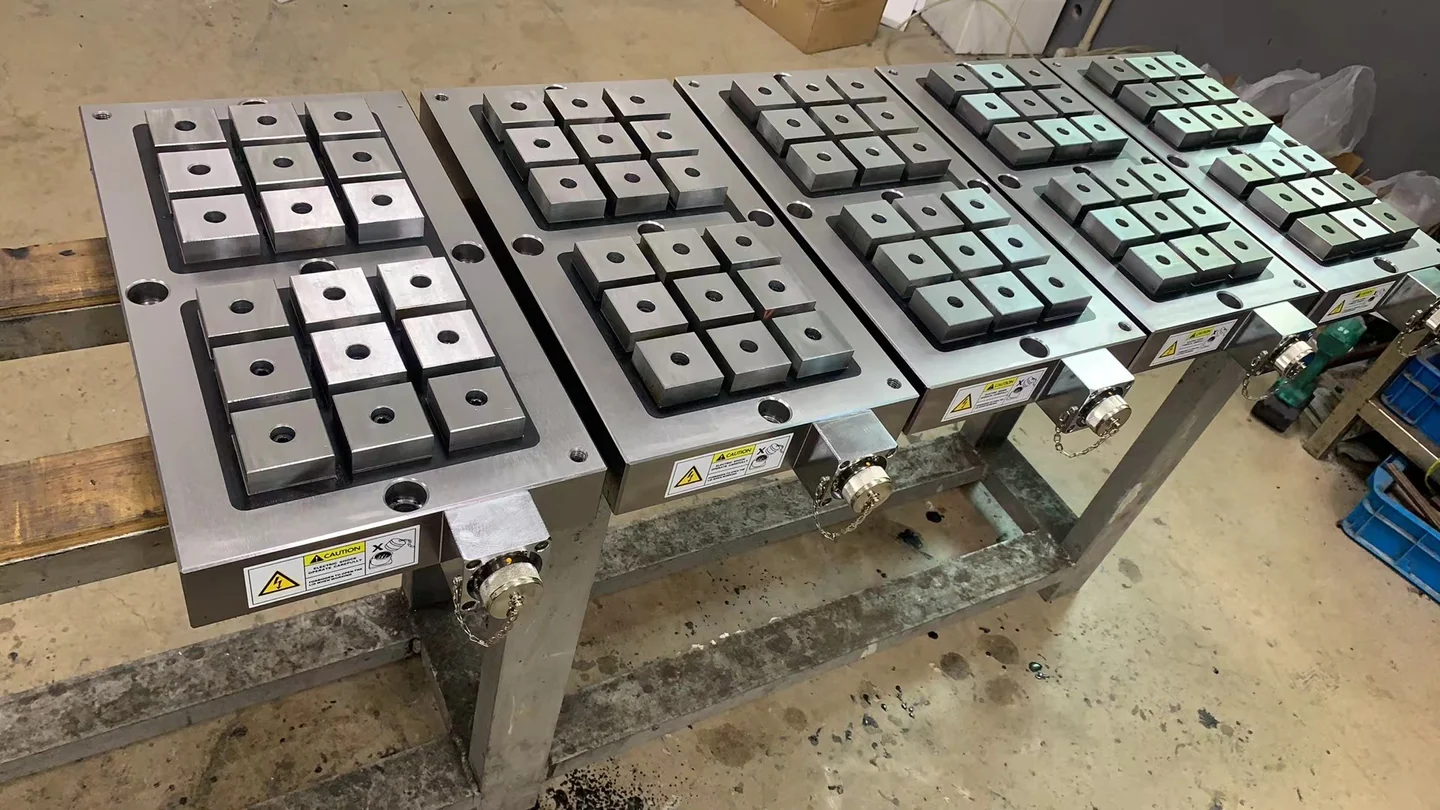
Workshop floor with machine tools and prepared magnetic chuck components
Engineering-led magnetic workholding solutions
WHAT WE FOCUS ON

Three connected areas of work.

01 / PRODUCTSMagnetic Chuck Systems

Permanent, electromagnetic and electro-permanent chuck solutions selected around the operating conditions.

Explore product types ↗

02 / APPLICATIONSMachine-Specific Workholding

Consider drilling, milling, grinding, turning and EDM demands, including workpiece contact and tool access.

Explore solutions ↗

03 / PROJECT SUPPORTEngineering Coordination

Review drawings, confirm installation interfaces and agree on testing and delivery requirements.
Explore our support ↗

Workshop floor with machine tools and prepared magnetic chuck components
WORKSHOPManufacturing environment
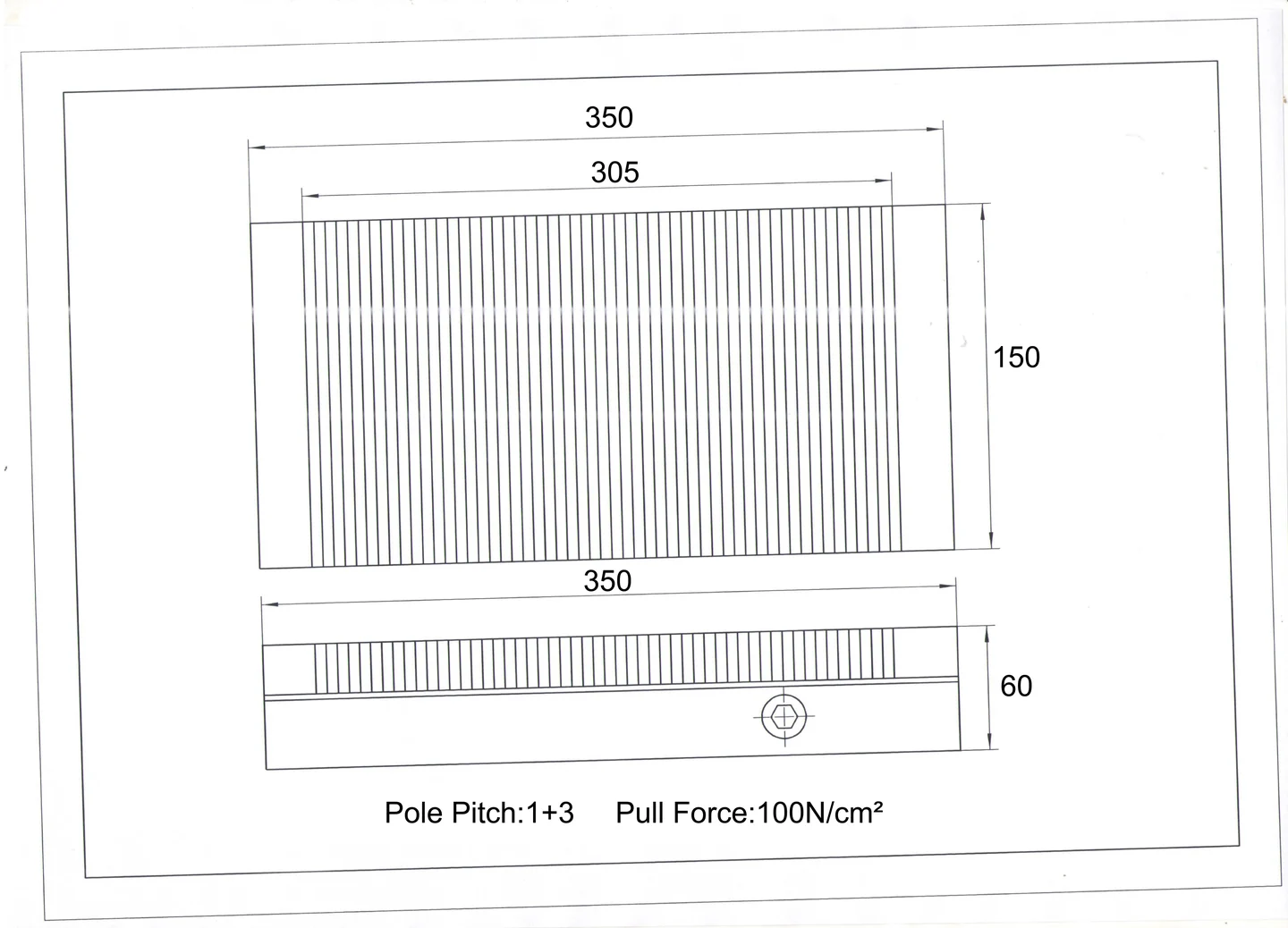
Dimensioned magnetic chuck working-face and mounting drawing
WORKHOLDINGWorkpiece-led engineering
Surface grinding a steel workpiece on a magnetic chuck
APPLICATIONPrecision machining applications
Modular magnetic chuck plates and pole extensions
Built around a real workpiece and process
WHO WE WORK WITH

For teams that need more than a catalog dimension.

  • Manufacturing engineersFit the workholding design to material, cutting direction, support and accuracy requirements.
  • Purchasing teamsCompare scope, drawings, inspection expectations and technical documentation before placing an order.
  • Machine builders & integratorsCheck mounting features, controls and interfaces for machine-level integration.
  • Workholding distributorsDiscuss application requirements and project-specific configurations for end customers.
OUR WORKING APPROACH

The workpiece comes first. We review how the part is machined, then define the workholding structure and how it should be checked.

01

Application review

Start with the drawing, material and machining process.

02

Fixture concept

Determine the magnetic face, supports, stops and interfaces.

03

Build coordination

Agree on manufacturing details for the selected chuck technology.

04

Inspection & support

Confirm key checks and provide agreed technical information.

Machining a hole pattern in steel workpieces on magnetic chucks
APPLICATION REVIEWTool access and holding strategy
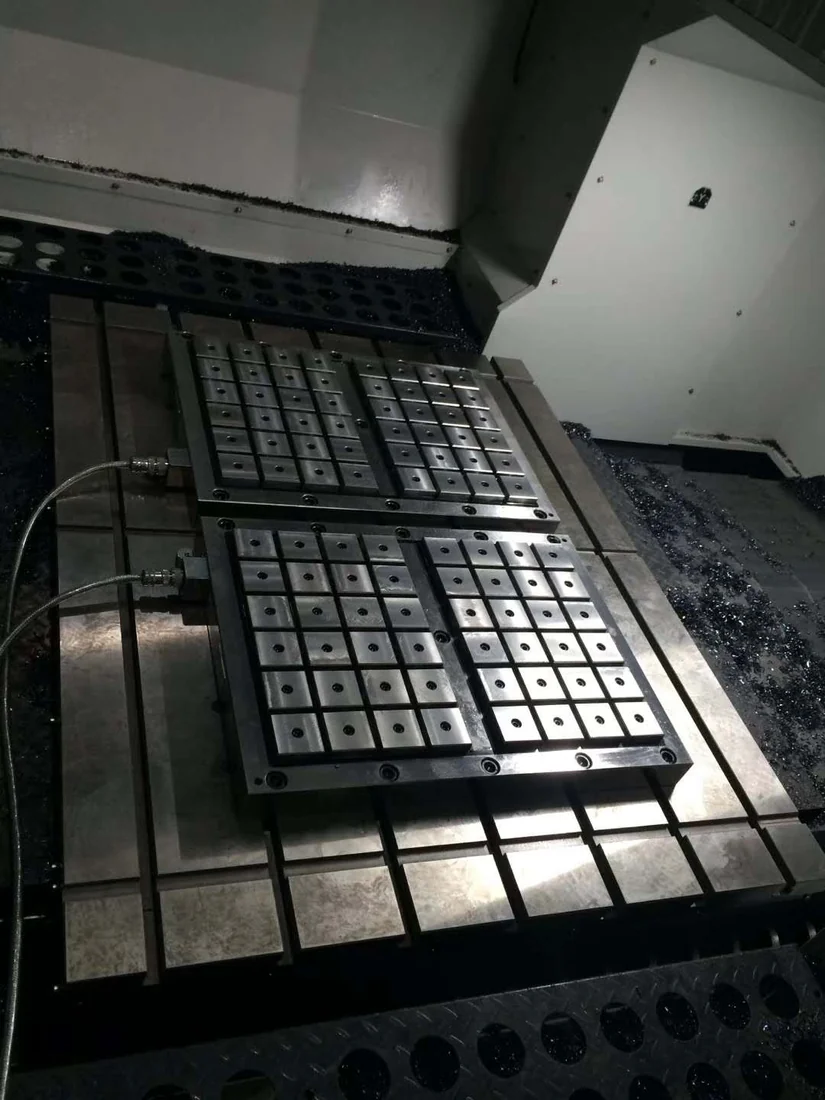
Magnetic chuck installed on a CNC machine table
PRODUCTIONBuild details and machining interfaces
FROM PRODUCT TO APPLICATION

Where magnetic workholding may fit your process.

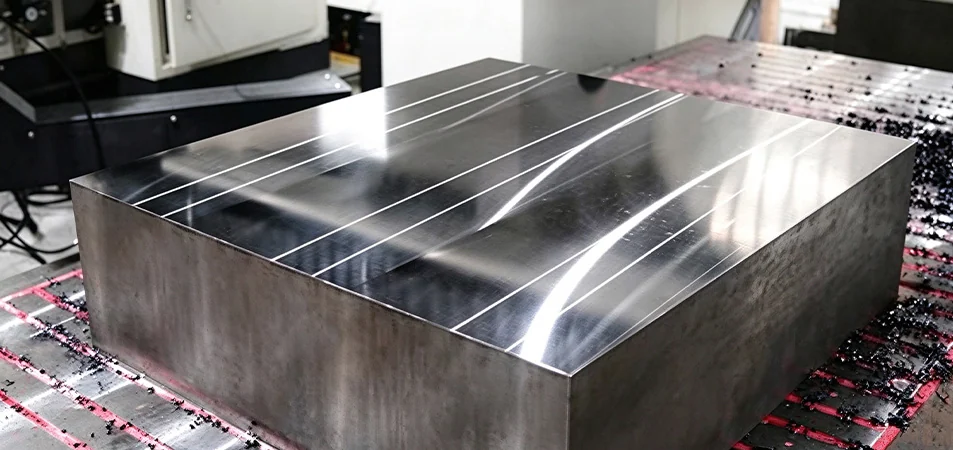
Steel block with its upper machining face clear of top clamps
MILLING & DRILLING

More tool access. Less fixture obstruction.

For suitable ferromagnetic steel parts, magnetic clamping can reduce the number of clamps above the working face. The engineering review must still cover cutting force, drill breakthrough, contact area and mechanical stops where needed.

View milling applications ↗
GRINDING & PRECISION WORK

Hold the part without ignoring distortion.

Precision work demands attention to flatness, pole geometry and part thickness. Magnetic force alone cannot compensate for an uneven workpiece or an unsupported machining area.

View grinding applications ↗
Surface grinding a flat steel workpiece
TRANSPARENT PROJECT INFORMATION

What we confirm before making a commitment.

Good supplier communication is specific. We prefer to define what the proposed fixture will include and what will be tested rather than use general claims about suitability or force.
  • Application boundariesFerromagnetic material, actual contact, cutting or grinding loads and fixture limits.
  • Configuration scopeChuck type, dimensions, magnetic face, supports and any powered control components.
  • Inspection evidenceMeasurements and functional checks agreed for that specific configuration.
  • Service termsDocumentation, operating guidance and the support scope confirmed for the order.
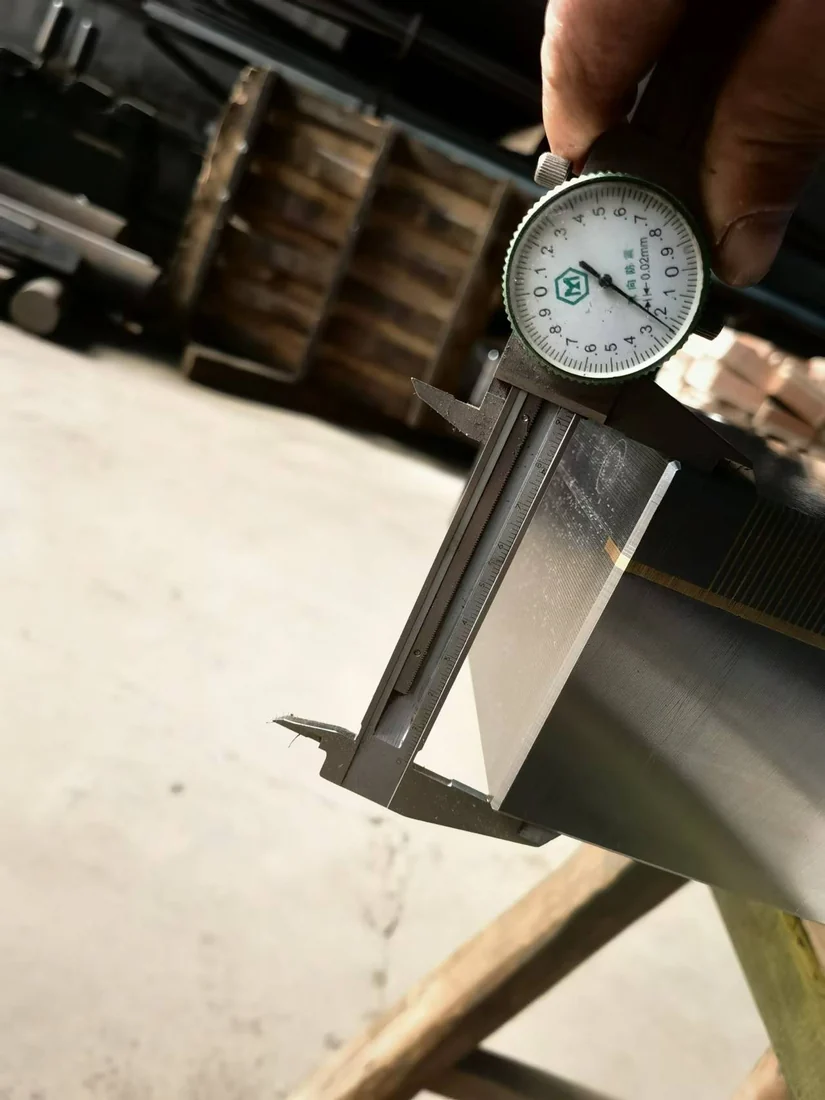
Dial caliper checking a magnetic chuck dimension
Technical details before commitment

Project-specific details and acceptance criteria should be confirmed against the actual workpiece, machine and selected magnetic technology.

WORK WITH MAGWORK

Start with your workpiece and machine requirements.

Share a drawing, material, process and required interface. The discussion can then focus on a practical magnetic workholding direction and the checks that matter to your project.

Send Your Requirements ↗