INDUSTRIES / MEDICAL TECHNOLOGY

Magnetic Workholding Solutions for Medical Technology

Explore magnetic workholding for medical technology production tooling, focusing on suitable ferromagnetic parts such as precision mold inserts, medical device tooling plates and suitable ferrous fixtures. MAGWORK supports drawing-based fixture discussion for real machining conditions, not claims of universal compatibility or completed industry projects.

Explore Application Concepts ↘
APPLICATION-LED ENGINEERING

Where Magnetic Chucks Fit Medical Technology Manufacturing

Medical manufacturing tooling uses an assortment of workpieces, not a single magnetic-chuck standard. This page concentrates on ferromagnetic tooling and steel components where an open working face is valuable. Each example explains the machining task and the fixture decision that must be checked first.

We start with your drawings, grade, workpiece geometry, operation and machine. For suitable ferrous contact surfaces, an engineered magnetic fixture may help improve tool access. We assess whether support, locating stops and expected machining loads allow that approach before discussing a particular chuck technology.

Shaped metal component on a round magnetic fixture
Illustrative industrial image. No completed customer project or performance result is implied.
WORKPIECES & APPLICATION CONCEPTS

Medical Technology Magnetic Workholding Applications

The following are application concepts for medical manufacturing tooling, not claims of completed customer projects. Compare the geometry and process of each part with your own drawing before asking for a configuration.

01 / INSTRUMENT TOOLING

Milling medical device mold inserts

Medical tooling commonly includes hardened ferrous mold steel, although finished instruments and implants may use nonmagnetic alloys. Only the suitable steel tooling is the magnetic workpiece.

Shaped metal component on a round magnetic fixtureSteel tooling components positioned on a square-pole magnetic chuck

Protect delicate features during setup

Assess contact footprint, small cutter access and possible fixture stops.

For this medical technology production tooling concept, the final drawing should identify usable magnetic contact, locating references and any nonmagnetic zones. Engineering checks: Small contact zones, feature access and datum protection. The proposal should state the fixture limits, proposed inspection scope and any conditions that require a mechanical alternative. Check the proposed fixture against the actual workpiece and cutting conditions before production.

WORKPIECESTool-steel plates, die components and hardened steel inserts
FIXTURE CONCEPTMagnetic holding face with tailored locating stops and local supports
CHECK FIRSTMaterial, contact footprint, machining force, cutter access and relief areas
VERIFYPosition repeatability, finished dimensions and holding conditions
02 / MOLD COMPONENTS

Drilling small ferrous tooling plates

Precision fixture plates require clean drill access and consistent workpiece referencing. Small parts can lose useful magnetic contact around dense holes.

Copper electrode machining a steel workpiece in an EDM machineGrinding a shaped steel mold component

Coordinate magnetic face and hole layout

Provide a narrow-pole layout where appropriate and keep the drill-exit spaces clear.

For this medical technology production tooling concept, the final drawing should identify usable magnetic contact, locating references and any nonmagnetic zones. Engineering checks: Mold steel type, bore layout and toolpath clearance. The proposal should state the fixture limits, proposed inspection scope and any conditions that require a mechanical alternative. Check the proposed fixture against the actual workpiece and cutting conditions before production.

WORKPIECESFerrous tooling plates and production fixture bases
DESIGN FOCUSHole access, repeat loading and support under drilling locations
CHECK FIRSTDrill thrust, through-hole clearance, chip path and stop position
VERIFYSetup repeatability and agreed workpiece inspection criteria
03 / GROUND TOOL COMPONENTS

Grinding precision steel instrument fixtures

Small hardened tool blanks are vulnerable to tipping when the magnetic engagement area is too small. Thin material requires a more careful pole and support choice.

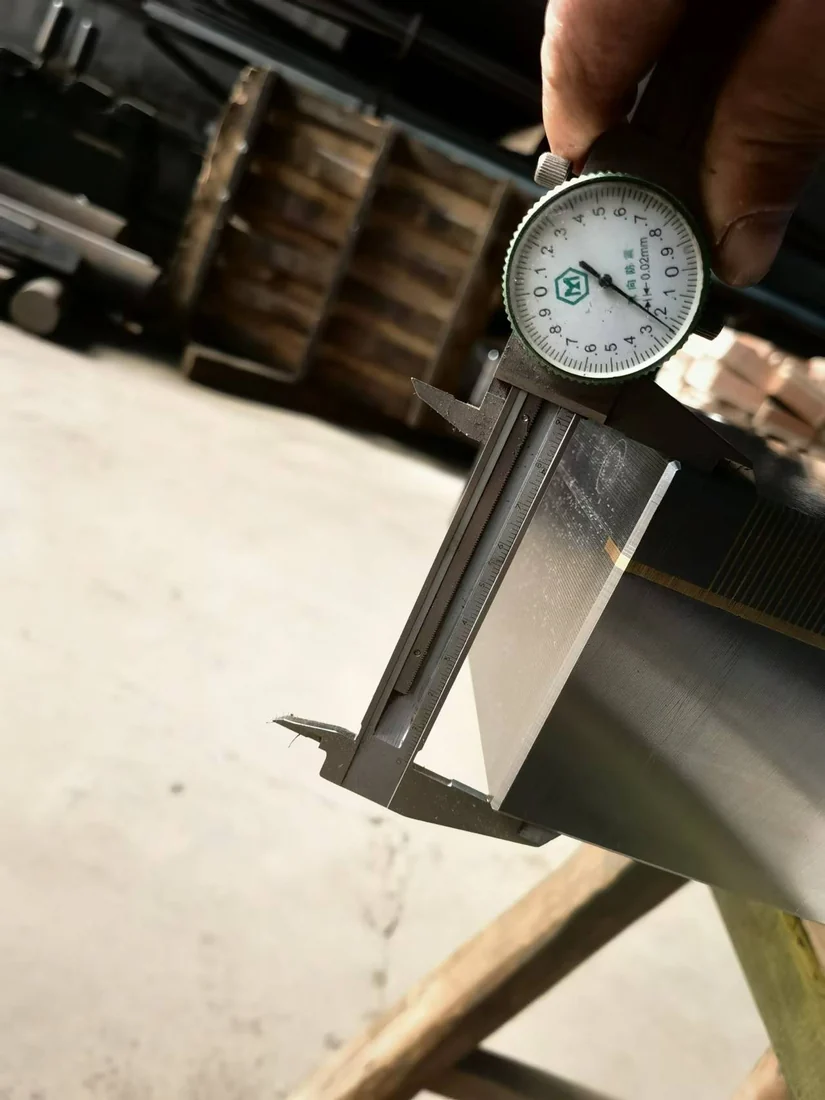
Surface grinding a flat steel workpieceDial caliper checking a magnetic chuck dimension

Build the check into the grinding setup

Evaluate fine-pole contact, grinding direction and workface cleanliness; do not imply suitability for every surgical alloy.

For this medical technology production tooling concept, the final drawing should identify usable magnetic contact, locating references and any nonmagnetic zones. Engineering checks: Thin-part distortion, surface cleanliness and release. The proposal should state the fixture limits, proposed inspection scope and any conditions that require a mechanical alternative. Check the proposed fixture against the actual workpiece and cutting conditions before production.

WORKPIECESFlat ferrous components, tool inserts and steel plates
DESIGN FOCUSSupport distribution and appropriate magnetic pole layout
CHECK FIRSTThickness, magnetic material properties and ground area
VERIFYFlatness, surface condition and demagnetization where needed
CUSTOM MAGNETIC FIXTURE ENGINEERING

Custom Magnetic Fixture Engineering for Medical Technology

For medical manufacturing tooling, a custom magnetic fixture starts with a specific contact face and machine interface. Pole layout, support blocks, stop locations and clearance should be chosen from the actual part geometry. Standard chuck dimensions are only a starting reference.

Confirm material response before specifying magnetic holding. In ferrous mold tooling rather than nonmagnetic implants, the relevant workpiece is a ferromagnetic tooling component; nonmagnetic finished parts may instead require a dedicated adapter or conventional mechanical fixture.

Workshop floor with machine tools and prepared magnetic chuck components
ENGINEERING & PRODUCTION CAPABILITY

Magnetic Chuck Manufacturing and Testing Capability for Medical Technology

The manufacturing gallery shows general workholding production stages: machined bodies, pole components, assembly, finishing and inspection. For a medical manufacturing tooling order, the agreed mounting dimensions and acceptance points determine what must be checked on the finished chuck.

01 / 06 · ENGINEERING DESIGN

Designed around the workpiece

For steel molds and fine fixture components, the engineering review connects magnetic pole placement to the actual machining and machine mounting. Reference edges, stops and support zones should be visible on the approved fixture drawing.

Workpiece reviewContact & pole layoutDesign confirmation

Production images illustrate body machining, assembly, finishing and inspection. Confirm any industry-specific process or performance claim against records for the supplied fixture.

PROJECT SUPPORT / MEDICAL TECHNOLOGY

Engineering and After-Sales Support for Medical Technology Fixtures

Technical support for medical manufacturing tooling projects concentrates on drawing coordination, installation interfaces and practical operating guidance. Project documents should identify the selected chuck configuration, machine mounting, operating controls if applicable, and agreed checks before shipment.

01

Application & feasibility review

Before support can recommend a fixture for small hardened tooling parts and thin fixture plates, confirm material and usable contact face. Identify the machining load direction and any installation restriction that may affect the proposed setup.

02

Drawing & configuration coordination

Technical coordination focuses on small contact regions and fine-pole requirements. Electrical controls are considered only when the selected magnetic technology uses a controller.

03

Inspection & delivery documents

Agree on acceptance evidence relevant to small-part surface finish and dimensional repeatability, including the dimensions and functional tests that the actual fixture needs, rather than a generic test checklist.

04

Setup & after-sales communication

After delivery, installation support should address clean handling and inspection records; maintenance advice must follow the supplied magnetic system and its operating method.

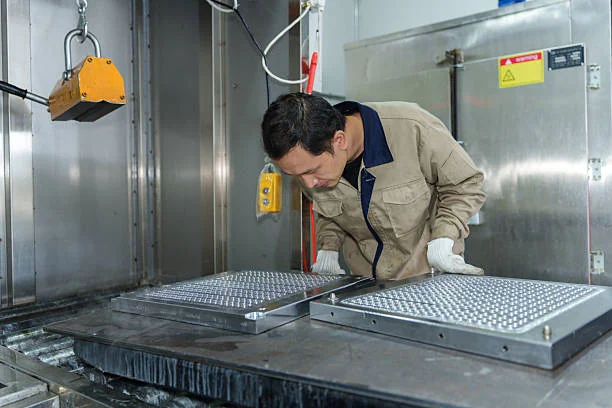
Operator checking magnetic chuck plates on a machine tableENGINEERING REVIEW → PRODUCTION → TECHNICAL SUPPORT
MEDICAL TECHNOLOGY / FAQ

Medical Technology Magnetic Workholding FAQs

These answers clarify material suitability, application limits and what to confirm when evaluating a magnetic fixture for medical manufacturing tooling.

Can magnetic chucks hold titanium surgical instruments?

Typically no. Titanium is nonmagnetic for conventional workholding. Mechanical or other process-specific fixtures should be evaluated. In medical technology production tooling, confirm the steel grade, real contact face and fixture clearance from the actual drawing. Do not present an illustrative application as a proven customer result.

Is all medical-grade stainless steel magnetic?

No. Magnetic response varies by stainless grade and condition. Confirm the exact material and its behavior before design. In medical technology production tooling, confirm the steel grade, real contact face and fixture clearance from the actual drawing. Do not present an illustrative application as a proven customer result.

Can you work with very small steel tooling parts?

Potentially, but the smallest part contact area and pole pitch need individual evaluation. In medical technology production tooling, confirm the steel grade, real contact face and fixture clearance from the actual drawing. Do not present an illustrative application as a proven customer result.

How should cleanliness be addressed?

The agreed application review should cover debris collection, cleaning access, coolant compatibility and release procedures. In medical technology production tooling, confirm the steel grade, real contact face and fixture clearance from the actual drawing. Do not present an illustrative application as a proven customer result.

What validation data should be agreed?

Specify dimensions, reference surfaces, operating method and inspection criteria for the supplied configuration. In medical technology production tooling, confirm the steel grade, real contact face and fixture clearance from the actual drawing. Do not present an illustrative application as a proven customer result.
MEDICAL TECHNOLOGY / TECHNICAL INQUIRY

Request a Custom Magnetic Fixture for Medical Technology

For a medical manufacturing tooling workholding review, provide the workpiece drawing and identify the machining face that must stay accessible. Add the machine model and material grade so the proposed fixture can be evaluated against a real task.

Request an application review

For the initial review, identify the representative workpiece and small contact regions and fine-pole requirements. Attach its drawing and machine interface details.

The project examples above are illustrative, not verified customer case studies. Replace reference photos and details with approved material before publishing.